Educational games help children strengthen important brain functions such as memory, attention, problem-solving, and creativity. Activities like puzzles, storytelling games, building blocks, and memory challenges encourage children to think critically while having fun. These games stimulate different areas of the brain and support both cognitive and emotional development. When incorporated into daily routines at home or in classrooms, educational games can significantly improve learning ability, concentration, and confidence in young children.
Why Educational Games Are Important for Brain Development
Early childhood is a crucial time for brain growth. During the first few years of life, a child’s brain develops rapidly as new neural connections form through experiences and interactions.
Educational games help support this development by:
-
Encouraging problem-solving and logical thinking
-
Strengthening memory and concentration
-
Improving coordination and motor skills
-
Building creativity and imagination
-
Developing communication and teamwork skills
When children learn through games, they are more likely to stay engaged and retain information for a longer time.
1. Puzzle Games
Puzzles are one of the best brain development activities for children. Whether it’s a simple jigsaw puzzle or a shape-matching game, puzzles encourage children to analyze patterns and think critically.
Benefits of puzzle games:
-
Improves problem-solving skills
-
Strengthens spatial awareness
-
Enhances patience and concentration
Even basic puzzles help children practice trial and error, which is essential for cognitive development.
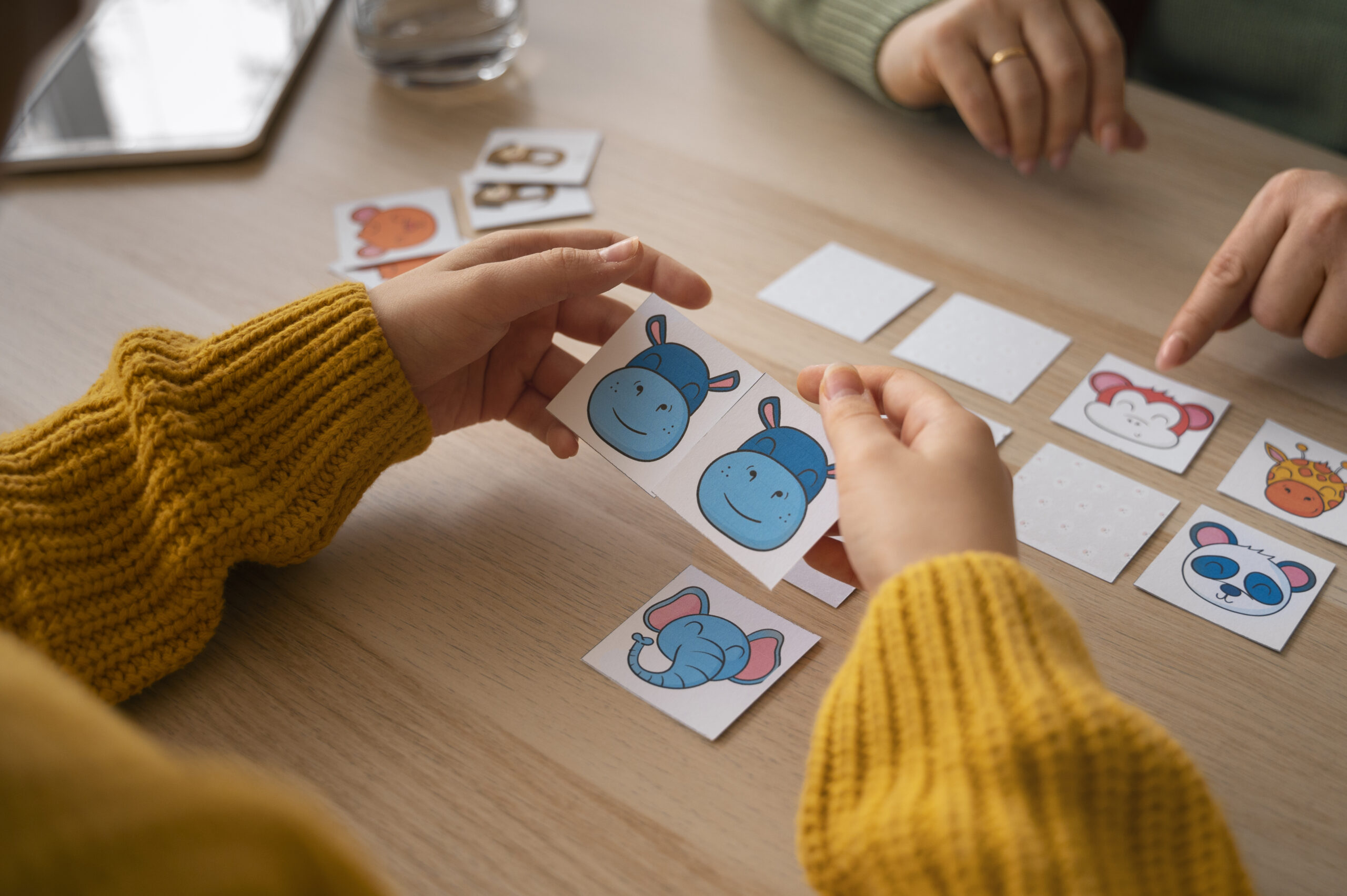
2. Memory Card Games
Memory matching games challenge children to remember the positions of cards and find matching pairs.
These games help improve:
-
Short-term memory
-
Attention to detail
-
Cognitive processing speed
Memory games are simple but extremely effective in strengthening brain connections.
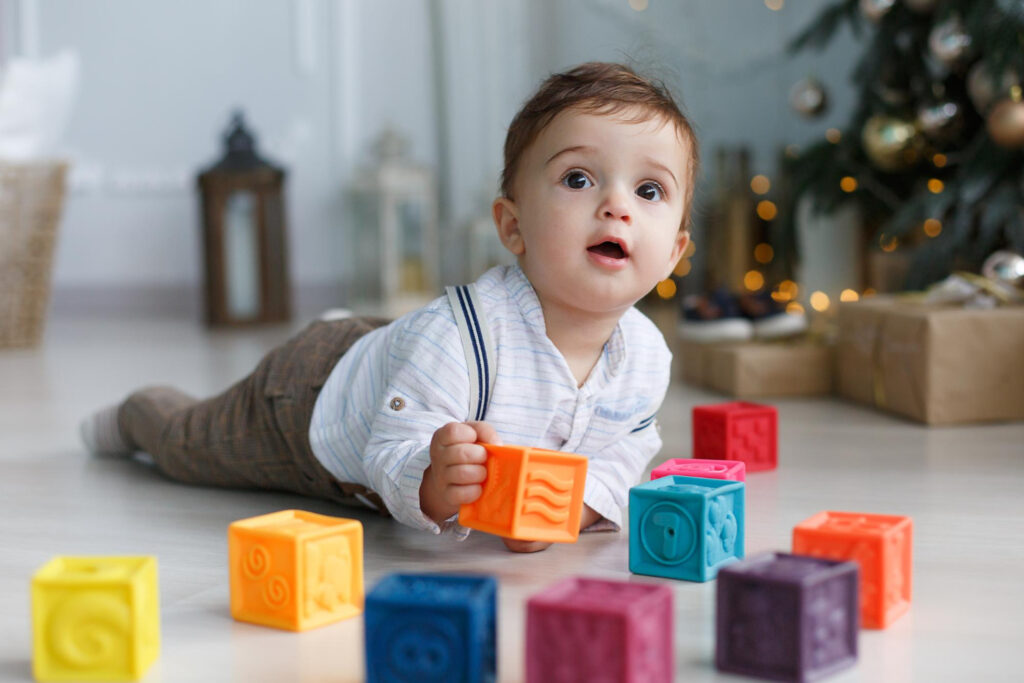
3. Building Block Games
Building blocks allow children to construct towers, bridges, and creative structures. This type of open-ended play encourages imagination and logical thinking.
Through block play, children develop:
-
Spatial reasoning
-
Creativity
-
Engineering and problem-solving skills
Many Montessori-inspired classrooms use block-based learning because it encourages experimentation and hands-on exploration.
4. Storytelling Games
Storytelling games encourage children to create stories using pictures, prompts, or imagination.
For example, children may pick random picture cards and build a story around them.
This activity improves:
-
Language development
-
Creativity
-
Narrative thinking
Storytelling also strengthens emotional expression and communication skills.
5. Sorting and Matching Games
Sorting games involve grouping objects by color, shape, size, or category.
These games help children develop:
-
Classification skills
-
Logical reasoning
-
Observation abilities
Sorting activities are commonly used in early childhood education because they help children understand patterns and relationships.
6. Word and Alphabet Games
Simple word games such as letter matching, rhyming games, or alphabet puzzles support early literacy skills.
Children learn to:
-
Recognize letters
-
Connect sounds with words
-
Build vocabulary
These games make reading preparation enjoyable and interactive.
7. Number and Counting Games
Counting games help children understand numbers through fun activities like counting objects, dice games, or simple board games.
Benefits include:
-
Early math skills
-
Logical thinking
-
Number recognition
When numbers are introduced through play, children often develop a stronger interest in mathematics.
8. Role-Playing Games
Role-playing activities such as pretending to be a teacher, doctor, or shopkeeper encourage imagination and social development.
These games help children:
-
Practice communication
-
Develop empathy
-
Improve decision-making skills
Role-play also helps children understand real-world situations in a safe and creative environment.
9. Strategy Board Games
Simple strategy games like checkers or beginner-level board games help children plan ahead and make thoughtful decisions.
These games strengthen:
-
Strategic thinking
-
Patience and focus
-
Problem-solving skills
Even basic board games teach children how to think critically and anticipate outcomes.
10. Outdoor Learning Games
Physical games that involve learning—such as scavenger hunts or nature observation—combine movement with thinking activities.
Outdoor educational games help develop:
-
Curiosity about the environment
-
Observation skills
-
Physical coordination
Active learning also improves overall brain function by increasing blood flow and oxygen to the brain.
How Parents Can Encourage Brain Development Through Play
Parents do not need complicated tools or expensive toys to support brain development. Simple everyday activities can make a big difference.
Here are a few helpful tips:
-
Choose games that encourage thinking and creativity
-
Allow children to explore and solve problems independently
-
Balance structured games with free play
-
Participate in games with your child to build connection
Creating a playful learning environment helps children associate learning with excitement rather than pressure.
For example, schools such as Montessori school of downtown often incorporate hands-on activities and play-based learning methods that support both academic growth and cognitive development.
The Long-Term Benefits of Educational Games
Educational games are more than just entertainment. They help children build essential skills that support lifelong learning.
Children who regularly engage in thinking-based games often develop:
-
Stronger memory and concentration
-
Better problem-solving abilities
-
Higher creativity levels
-
Improved social and communication skills
These abilities play an important role in academic success and personal growth as children grow older.
By encouraging learning through play, parents and educators can help children develop both intelligence and confidence.
Frequently Asked Questions (FAQ)
At what age should children start playing educational games?
Children can begin playing simple educational games as early as two or three years old. Activities such as shape sorting, matching games, and simple puzzles are excellent for early development.
How much time should kids spend playing educational games?
Educational games should be balanced with free play and outdoor activities. Around 30–60 minutes of structured play daily is generally beneficial for young children.
Are digital educational games helpful for brain development?
Some digital games can support learning, but hands-on and physical games often provide stronger cognitive and motor skill development for young children.
Do educational games really improve intelligence?
Educational games strengthen skills like memory, reasoning, and problem-solving. While they do not directly increase intelligence, they support brain development and learning ability.
Can parents create educational games at home?
Yes. Parents can easily create games using everyday objects like flashcards, building blocks, puzzles, or storytelling prompts. Simple homemade activities can be just as effective as store-bought educational games.