The transition from early childhood education to elementary school is a significant milestone for both children and parents. It marks the beginning of formal schooling, new routines, greater independence, and broader social interactions. While many parents focus primarily on academic readiness—such as reading, writing, or math—the truth is that successful adjustment to elementary school depends on a much wider set of skills. Preparing your child holistically ensures they are not only ready to learn but also confident, adaptable, and emotionally secure.
Academic Foundations: Focus on Readiness, Not Perfection
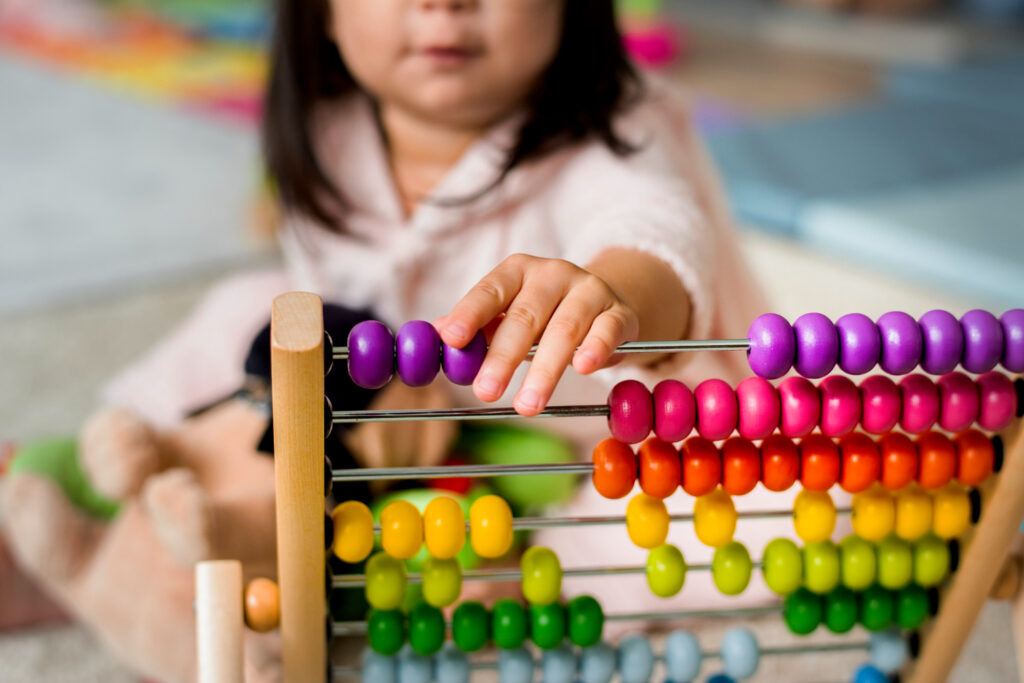
Academic preparation does not mean that children must master advanced concepts before entering elementary school. Instead, readiness is about familiarity and comfort with basic skills. Recognizing letters and sounds, understanding numbers, identifying shapes and colors, and holding a pencil correctly provide a solid starting point.
Equally important is curiosity. Children who are encouraged to ask questions, explore ideas, and engage with books develop a positive attitude toward learning. Reading together, telling stories, playing number games, and engaging in hands-on activities help children see learning as enjoyable rather than intimidating.
Independence: A Key Skill for Classroom Confidence
Elementary school requires children to manage many tasks independently. Simple self-help skills—such as using the restroom alone, washing hands, opening lunch boxes, putting on jackets, and organizing school supplies—are essential for daily classroom life.
When children can care for themselves, they feel capable and confident. Independence reduces anxiety and allows them to focus on learning instead of seeking constant adult assistance. Practicing routines at home, such as tidying up toys or following a daily schedule, builds responsibility and prepares children for structured school environments.
Emotional Readiness and Self-Regulation
Emotional readiness is one of the most important yet often overlooked aspects of school preparation. Elementary classrooms require children to manage emotions, cope with frustration, and adjust to new expectations. Children may need to wait their turn, accept corrections, or handle separation from parents for longer periods.
Helping children identify and express their emotions in healthy ways builds emotional intelligence. Teaching strategies such as deep breathing, using words instead of actions, and recognizing feelings helps children stay calm and focused. Children who can regulate emotions are better equipped to handle challenges and adapt to classroom dynamics.
Social Skills and Peer Interaction
Elementary school is a highly social environment. Children interact with peers throughout the day during lessons, group activities, and playtime. Skills such as sharing, listening, cooperating, and resolving conflicts are essential for forming friendships and feeling included.
Children who develop strong social skills early tend to adjust more easily to group learning. They are more likely to participate in class, collaborate on projects, and seek help when needed. Encouraging group play, turn-taking games, and open conversations about kindness and respect strengthens these abilities.
Attention, Focus, and Following Instructions
As children enter elementary school, they are expected to sit for longer periods, listen carefully, and follow multi-step instructions. While young children naturally have shorter attention spans, early exposure to structured activities helps build focus gradually.
Activities such as completing puzzles, listening to stories, participating in guided tasks, and finishing simple projects encourage concentration. These experiences teach children how to stay engaged, complete tasks, and transition smoothly between activities—skills that are vital for classroom success.
Building a Growth Mindset Early
One of the most valuable skills a child can develop before elementary school is a growth mindset. This mindset teaches children that abilities improve through effort and practice, not perfection. When children understand that mistakes are part of learning, they become more resilient and confident.
Encouraging children to try again after setbacks and praising effort rather than outcomes helps them develop perseverance. A growth mindset reduces fear of failure and promotes curiosity, allowing children to embrace challenges rather than avoid them.
Educational environments like Montessori School of Downtown emphasize independence, problem-solving, and confidence, which are crucial for a smooth transition into elementary school.
Communication and Language Skills
Strong communication skills are essential for success in elementary school. Children should feel comfortable expressing needs, asking questions, and participating in discussions. Clear communication helps children build relationships with teachers and peers while supporting academic learning.
Engaging children in conversations at home, reading aloud, and encouraging them to share thoughts and experiences strengthens vocabulary and confidence. These skills empower children to advocate for themselves and actively participate in classroom learning.
Adaptability and Routine Awareness
Elementary school introduces new routines, schedules, and expectations. Children who are familiar with structure adapt more easily to classroom life. Understanding concepts like time, transitions, and daily routines helps children feel secure in new environments.
Practicing consistent schedules at home—such as regular meal times, bedtime routines, and study periods—helps children develop a sense of order. This predictability makes the transition to school smoother and reduces stress.
Conclusion
Preparing your child for elementary school goes far beyond academics. Independence, emotional regulation, social confidence, focus, communication, and adaptability are the true foundations of school readiness. When children enter elementary school with these skills, they are equipped not only to succeed academically but also to enjoy learning, build relationships, and navigate challenges with confidence. A well-rounded approach to preparation ensures that children begin their educational journey strong, secure, and ready to thrive.