When parents think about school readiness, they often focus on reading levels, math skills, or memorization. But true success in school — and in life — depends on much more than academics. It requires independence, emotional intelligence, critical thinking, responsibility, and confidence.
Montessori education is designed to develop the whole child. A Montessori classroom is not simply a place where children absorb information. It is a carefully prepared environment where essential life skills are built intentionally every single day.
At Montessori School of Downtown, children are guided to become capable, curious, and self-motivated learners. Below are the top 10 skills they develop that make a lasting impact.
1. Independence: The Skill That Changes Everything
One of the most noticeable differences in a Montessori classroom is independence. Children choose their own activities, complete them at their own pace, and return materials when finished.
Instead of constantly asking for help, they learn to rely on themselves. This builds confidence and internal motivation. Over time, children develop a mindset of “I can do it,” which positively shapes their academic and personal growth.
2. Deep Concentration in a Distracted World
In today’s fast-paced digital environment, focus is becoming rare. Montessori classrooms protect concentration by offering uninterrupted work periods. Children engage in tasks for extended periods without unnecessary transitions.
When a child repeats a pouring activity or works with math beads for 30 minutes straight, they are strengthening their attention span. This deep concentration supports stronger learning outcomes in later grades.
3. Critical Thinking and Problem-Solving
Montessori materials are designed to be self-correcting. If a puzzle piece doesn’t fit or a math equation doesn’t balance, the child recognizes the mistake independently.
This encourages problem-solving instead of dependency on adult correction. Children learn to analyze, adjust, and try again — a crucial life skill that extends far beyond the classroom.
4. Fine Motor Control That Supports Academic Success
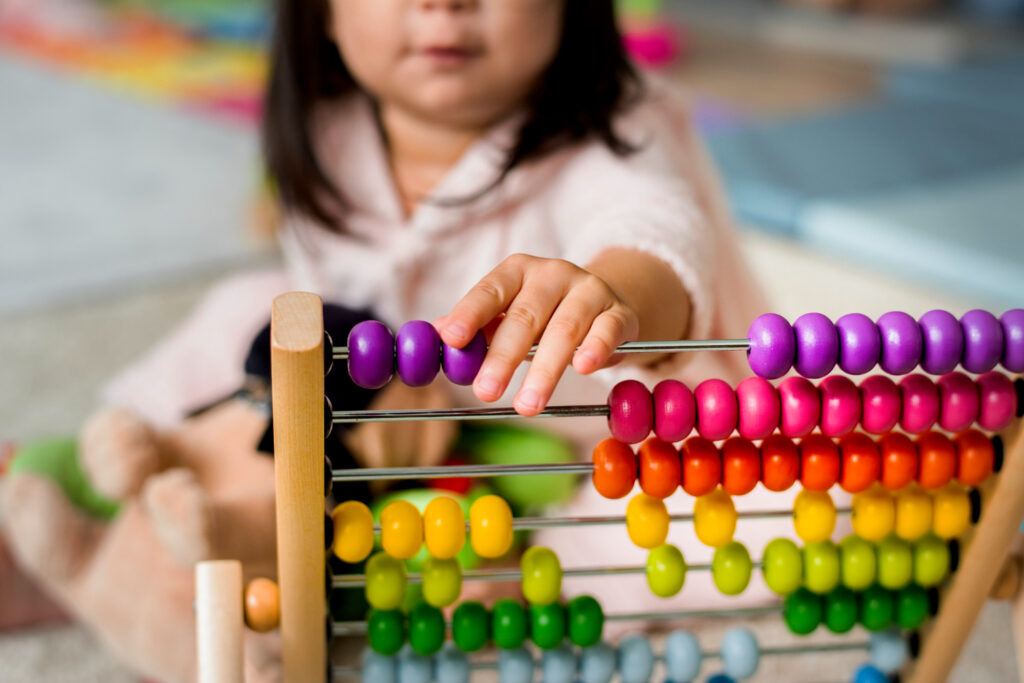
Before children can write neatly or perform complex tasks, they must develop hand strength and coordination. Montessori activities such as bead threading, cutting, pouring, and using tweezers refine fine motor skills naturally.
These activities may appear simple, but they prepare the hand for writing and other academic demands. Montessori understands that physical readiness supports intellectual growth.
5. Social Confidence Through Mixed-Age Learning
Unlike traditional classrooms grouped strictly by age, Montessori environments often include mixed-age settings. Younger children observe and learn from older peers. Older children develop leadership skills by guiding younger classmates.
This dynamic fosters collaboration rather than competition. Children practice communication, patience, and empathy daily.
At Montessori School of Downtown, this respectful community structure helps children feel secure and valued.
6. Emotional Intelligence and Self-Regulation
Grace and Courtesy lessons are a core part of Montessori education. Children learn how to greet others politely, resolve conflicts peacefully, and express feelings appropriately.
Instead of reacting impulsively, they are guided to pause, think, and respond with respect. These emotional regulation skills are essential for long-term success in relationships and academics.
7. Time Management and Self-Discipline
Because Montessori students choose their work within structured periods, they naturally develop time awareness. They learn how long tasks take and how to complete responsibilities before moving on.
This self-discipline is not imposed through strict rules but developed organically through daily routines. It creates internal accountability rather than reliance on external pressure.
8. Responsibility and Ownership
Montessori children take care of their classroom environment. They water plants, clean tables, organize shelves, and handle materials carefully.
This sense of ownership builds responsibility. When children understand that their actions affect their surroundings, they become more mindful and respectful individuals.
Responsibility learned early often translates into leadership qualities later in life.
9. Creativity and Curiosity
Montessori classrooms encourage exploration rather than memorization. Materials are hands-on and open-ended, allowing children to discover concepts independently.
Instead of simply being told facts, children experience learning. This fosters curiosity and creative thinking — skills increasingly valued in modern education and future careers.
Curious children become lifelong learners.
10. A Genuine Love for Learning
Perhaps the most powerful outcome of Montessori education is intrinsic motivation. Children are not working for grades, stickers, or competition. They are working because they are genuinely interested.
This internal drive builds a positive relationship with learning. When children enjoy the process of discovery, they are more likely to pursue knowledge confidently throughout life.
Why These Skills Matter More Than Memorization
Academic content can always be learned. However, independence, resilience, emotional intelligence, and problem-solving are foundational traits developed early in childhood.
Research consistently shows that executive functioning skills — such as focus, adaptability, and self-control — strongly predict long-term academic and professional success.
Montessori education prioritizes these foundational abilities first.
What Makes Montessori Different from Traditional Education?
Traditional classrooms often emphasize teacher-led instruction and standardized pacing. Montessori environments, by contrast, respect individual development.
Children move forward when they are ready. They are not pressured to match peers or rush through milestones.
This personalized approach allows each child to build confidence at their own pace, creating a solid academic and emotional foundation.
At Montessori School of Downtown, this child-centered philosophy ensures that students are not only prepared for the next grade but for real-world challenges.
Final Thoughts: Skills That Shape Future Leaders
The top 10 skills children learn in a Montessori classroom extend far beyond textbooks. They develop independence, empathy, concentration, responsibility, and curiosity — qualities that shape strong character.
In an ever-changing world, adaptability and emotional intelligence matter more than rote memorization.
Montessori education prepares children not just for tests, but for life.
And when children build these skills early, they carry them forward with confidence, purpose, and a lifelong love of learning.