In today’s fast-changing world, children need more than just academic knowledge—they need the ability to think independently, solve problems, and adapt creatively. This is where the Montessori method stands apart. Developed by Maria Montessori, this child-centered approach focuses on nurturing curiosity, independence, and hands-on learning—key ingredients for building strong problem-solving and creative skills.
But what exactly makes Montessori children excel in these areas? Let’s explore.
Montessori education builds problem-solving and creativity through hands-on learning, independence, mixed-age classrooms, and self-directed activities. Children learn by doing, exploring, and thinking critically—helping them develop real-world skills that go beyond textbooks.
1. Hands-On Learning Builds Real Problem-Solving Skills
One of the core principles of Montessori education is experiential learning. Instead of memorizing concepts, children interact with specially designed materials that encourage exploration.
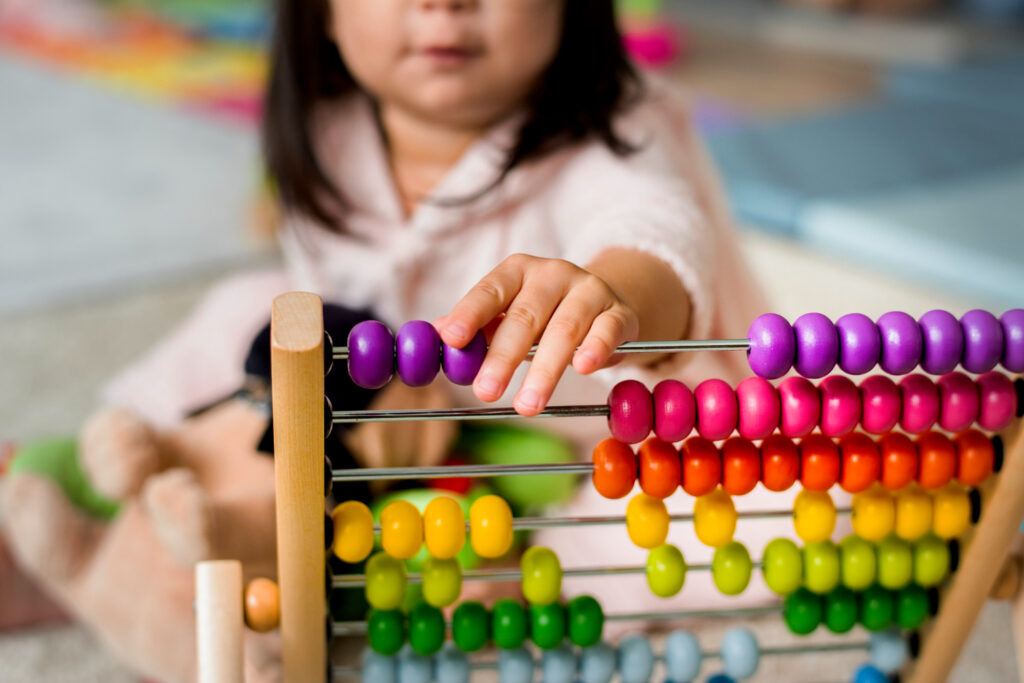
For example, a child learning math doesn’t just solve problems on paper—they use beads, rods, and blocks to understand quantities and relationships. This tactile experience helps them:
-
Break down complex problems
-
Understand cause and effect
-
Experiment with solutions
When children learn by doing, they naturally develop the ability to approach challenges with confidence and curiosity.
2. Freedom Within Limits Encourages Creative Thinking
Montessori classrooms are structured yet flexible. Children are free to choose activities that interest them within a carefully prepared environment.
This balance of freedom and guidance:
-
Encourages independent decision-making
-
Allows children to explore different solutions
-
Promotes original thinking
Unlike rigid systems where there is only one “correct” answer, Montessori education values the process as much as the result. This fosters creativity and helps children think outside the box.
3. Mixed-Age Classrooms Inspire Collaboration and Innovation
In Montessori settings, children of different ages learn together. Younger children observe older peers, while older students reinforce their knowledge by teaching others.
This environment:
-
Encourages peer learning
-
Builds communication and teamwork skills
-
Exposes children to diverse perspectives
When children interact with peers at different developmental stages, they learn to adapt, negotiate, and think creatively—essential skills for problem-solving in real life.
4. Self-Directed Learning Develops Critical Thinking
Montessori education emphasizes self-directed learning. Instead of following strict instructions, children choose tasks and work at their own pace.
This approach helps children:
-
Ask questions and seek answers independently
-
Analyze situations before acting
-
Learn from mistakes without fear
By giving children ownership of their learning, Montessori classrooms create confident thinkers who are not afraid to tackle challenges head-on.
5. Focus on Process Over Results
Traditional education often prioritizes correct answers and grades. In contrast, Montessori focuses on the learning journey.
Children are encouraged to:
-
Try multiple approaches
-
Reflect on their work
-
Improve through iteration
This mindset reduces the fear of failure and promotes experimentation—two key drivers of creativity and innovation.
6. Carefully Designed Environment Sparks Curiosity
The Montessori classroom is known as a “prepared environment,” where every material has a purpose. Everything is accessible, organized, and designed to engage children.
This setup:
-
Encourages exploration
-
Promotes independent learning
-
Stimulates curiosity and imagination
When children are in an environment that invites discovery, they naturally become more creative and solution-oriented.
7. Real-Life Skills Enhance Practical Problem-Solving
Montessori education integrates practical life activities such as pouring, cleaning, cooking, and organizing. These tasks may seem simple, but they play a crucial role in development.
Through these activities, children learn:
-
Responsibility and independence
-
Sequential thinking
-
Everyday problem-solving
These real-world experiences help children apply their skills beyond the classroom, making them more capable and adaptable.
8. Encouragement of Intrinsic Motivation
Montessori classrooms avoid excessive rewards and punishments. Instead, they focus on intrinsic motivation—the desire to learn for the sake of learning.
When children are internally motivated, they:
-
Take initiative
-
Persist through challenges
-
Explore ideas more deeply
This natural drive fuels both creativity and effective problem-solving.
9. Minimal Interruptions Improve Deep Thinking
In Montessori classrooms, children are given uninterrupted blocks of time to work on tasks. This allows them to fully engage with an activity.
Deep focus leads to:
-
Better understanding of concepts
-
Stronger analytical skills
-
Enhanced creativity
When children are not constantly interrupted, they can think more deeply and develop innovative solutions.
10. Individualized Learning Supports Unique Thinking Styles
Every child learns differently, and Montessori education respects that. Teachers observe each child and tailor guidance accordingly.
This personalized approach:
-
Supports individual strengths
-
Encourages unique perspectives
-
Builds confidence in one’s ideas
As a result, children grow into independent thinkers who are comfortable expressing their creativity.
How Montessori Prepares Children for the Future
In a world driven by innovation and change, problem-solving and creativity are among the most valuable skills. Montessori education equips children with these abilities from an early age.
Institutions like Montessori School of Downtown emphasize holistic development, ensuring children are not just academically prepared but also capable of thinking critically and creatively in real-life situations.
Conclusion
Montessori education goes beyond traditional teaching methods by nurturing independent thinkers, creative minds, and confident problem-solvers. Through hands-on learning, self-direction, and a supportive environment, children develop skills that prepare them for lifelong success.
If you want your child to grow into someone who can think independently, adapt to challenges, and innovate fearlessly, Montessori education offers a strong foundation.