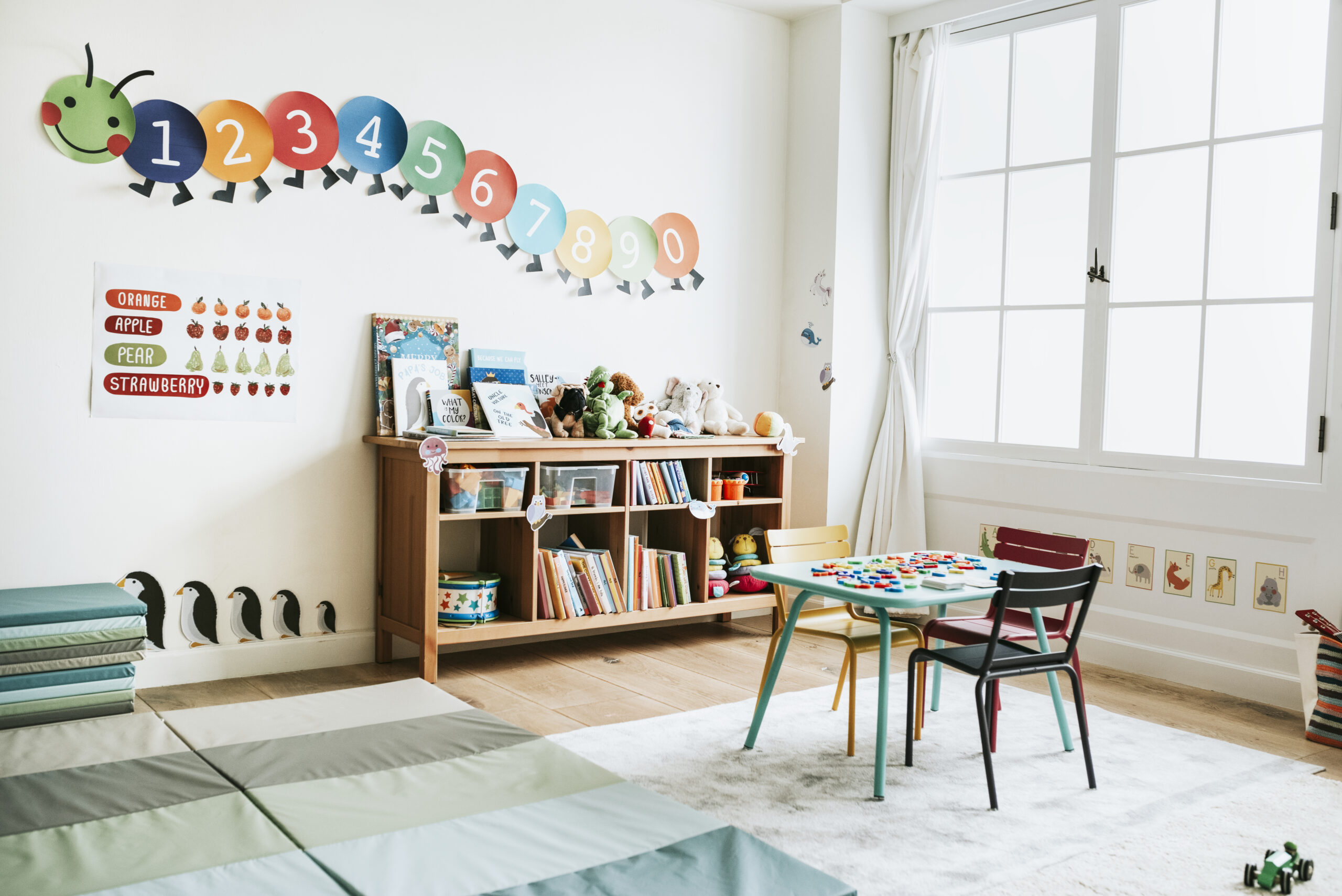
The Montessori method is a child-centered education system that encourages independence, curiosity, and hands-on learning. Instead of traditional teacher-led lessons, children in Montessori classrooms choose activities from a prepared environment designed to support natural development. The approach focuses on practical life skills, sensory learning, language, math, and cultural studies while allowing children to learn at their own pace. Mixed-age classrooms help younger children learn by observing older peers and allow older students to develop leadership skills. Overall, Montessori education aims to nurture confident, independent learners who develop strong academic foundations along with important life skills such as problem-solving, concentration, and responsibility.
What Is the Montessori Method?
The Montessori method is an educational philosophy developed by Italian physician and educator Maria Montessori in the early 1900s. The approach is based on the belief that children learn best when they are given freedom within a structured environment.
Instead of traditional teacher-led instruction, Montessori classrooms encourage children to explore materials, make choices, and learn at their own pace. Teachers act as guides who observe each child and support their individual development.
This child-centered system is now used in thousands of schools worldwide because of its proven ability to nurture independence, creativity, and problem-solving skills.
Key Principles of Montessori Education
1. Child-Centered Learning
In a Montessori classroom, the child is at the center of the learning experience. Instead of forcing all children to follow the same lesson at the same time, students choose activities that interest them.
This approach helps children develop a natural love for learning because they are motivated by curiosity rather than pressure.
2. Hands-On Learning
Montessori education uses specially designed learning materials that allow children to learn through touch and exploration.
For example, children might:
- Use counting beads to understand numbers
- Build words using movable alphabets
- Practice pouring water to develop coordination
- Hands-on learning helps children understand concepts more deeply than simply memorizing information.
3. Prepared Learning Environment
Montessori classrooms are carefully organized spaces designed to promote independence.
Everything in the classroom is arranged at a child’s height so they can access materials without adult assistance. Activities are placed on shelves, and children choose what they want to work on.
This environment encourages responsibility, organization, and confidence.
4. Mixed-Age Classrooms
One of the most unique aspects of Montessori education is the mixed-age classroom structure.
Instead of grouping children strictly by age, Montessori classrooms typically include a three-year age range. This allows:
- Younger children to learn by observing older students
- Older children to reinforce knowledge by helping younger peers
- Natural development of leadership and collaboration skills
This structure mirrors real-life social environments and promotes community learning.
5. Focus on Independence
Montessori education encourages children to do things for themselves whenever possible.
- Students are guided to:
- Clean up their workspace
- Choose their learning activities
- Solve problems independently
These small responsibilities help build confidence and self-discipline over time.
Core Learning Areas in Montessori Education
Montessori classrooms focus on several key developmental areas.
Practical Life Skills
These activities teach everyday skills such as pouring, buttoning, cleaning, and organizing. While they may seem simple, they help children develop concentration, coordination, and independence.
Sensorial Learning
Sensorial activities help children refine their senses and understand concepts like size, color, texture, and sound. These exercises strengthen observation and comparison skills.
Language Development
Children are introduced to language through storytelling, phonetic sounds, and reading activities. Montessori materials make it easier for children to connect sounds with letters and words.
Mathematics
Montessori math materials help children visualize numbers and quantities. Instead of memorizing equations, students understand how numbers actually work.
Cultural Studies
Children are also introduced to geography, science, art, and music. These subjects broaden their understanding of the world and encourage curiosity.
Benefits of the Montessori Method for Children
Parents often choose Montessori education because it supports both academic and personal development.
Encourages Natural Curiosity
Children are free to explore their interests, which helps them develop a lifelong love for learning.
Builds Confidence and Independence
Because children make choices and solve problems on their own, they develop strong self-confidence and decision-making skills.
Improves Focus and Concentration
Montessori activities encourage deep focus. Children often spend long periods working on a single task, which strengthens attention span.
Develops Social Skills
Mixed-age classrooms allow children to interact with peers of different ages, helping them develop empathy, communication, and teamwork.
Supports Individual Learning Pace
Every child learns differently. Montessori education respects this by allowing children to progress based on their readiness rather than a fixed schedule.
Is Montessori Education Right for Your Child?
While Montessori education offers many benefits, it is important for parents to consider their child’s personality and learning style.
Montessori environments work especially well for children who:
- Enjoy hands-on learning
- Prefer exploring topics independently
- Thrive in calm and structured environments
Parents looking for an education system that balances academic learning with life skills often find Montessori schools to be a great fit.
For example, institutions such as Montessori school of downtown focus on nurturing independence, curiosity, and creativity while maintaining strong academic foundations.
How Parents Can Support Montessori Learning at Home
Parents can extend Montessori principles beyond the classroom by encouraging independence at home.
Here are a few simple ideas:
- Allow children to dress themselves
- Give them small household responsibilities
- Create organized spaces for toys and books
Encourage problem-solving rather than giving immediate answers
These small habits reinforce the confidence and responsibility children develop in Montessori classrooms.
The Long-Term Impact of Montessori Education
Research and parent experiences consistently show that Montessori education helps children develop important life skills.
Students often become:
- Independent thinkers
- Strong problem solvers
- Confident learners
- Collaborative team members
These qualities not only support academic success but also prepare children for future challenges in school and life.
Frequently Asked Questions:
What age is best to start Montessori education?
Many Montessori schools accept children as young as 2.5 or 3 years old. Early childhood is considered the ideal time because young children naturally absorb knowledge through exploration.
Is Montessori education academically strong?
Yes. Montessori students often develop strong academic skills because they understand concepts deeply through hands-on learning rather than rote memorization.
Do Montessori children transition well to traditional schools?
Most Montessori students adapt well because they have strong independence, problem-solving skills, and the ability to learn quickly.
Are Montessori classrooms strict or structured?
Montessori classrooms follow a structured environment, but children have the freedom to choose activities within that structure. This balance helps develop both discipline and creativity.
Can Montessori education work for all children?
While Montessori works well for many students, every child is different. Visiting schools, observing classrooms, and speaking with teachers can help parents decide if the approach fits their child.