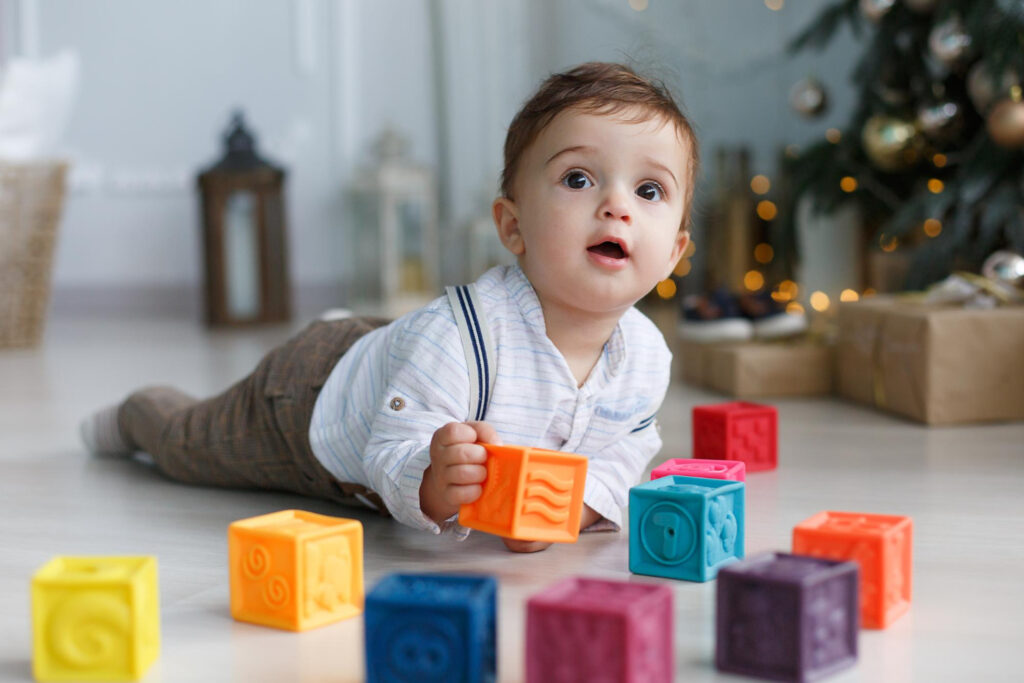
Early childhood is one of the most critical phases of human development. From birth to around age six, a child’s brain develops more rapidly than at any other time in life. During these years, children form the foundation for how they think, learn, behave, and interact with the world. Early childhood education plays a vital role in shaping lifelong learning habits, influencing not only academic success but also emotional intelligence, problem-solving abilities, and social skills.
The Brain’s Rapid Development in Early Years
Research consistently shows that young children absorb information at an extraordinary rate. Neural connections are formed based on experiences, environment, and interactions. When children are exposed to structured yet nurturing learning environments early on, they develop curiosity, focus, and confidence. These traits don’t fade with age—they become lifelong learning habits.
Quality early education provides meaningful stimulation that supports cognitive growth. Activities such as storytelling, hands-on exploration, music, movement, and guided play help children understand cause and effect, build memory, and improve language skills. These experiences train the brain to enjoy learning rather than fear it.
Developing a Love for Learning Early
Children who are introduced to learning in a positive, pressure-free environment tend to associate education with enjoyment rather than stress. When learning feels exciting and rewarding, children naturally become motivated to explore new ideas. This intrinsic motivation is far more powerful than external rewards like grades or praise.
Early childhood education focuses on discovery and engagement rather than rote memorization. Children are encouraged to ask questions, try new things, and learn at their own pace. This autonomy fosters a sense of ownership over learning, which is essential for long-term academic success.
Building Independence and Responsibility
One of the most important lifelong habits developed during early education is independence. When children are given age-appropriate responsibilities—such as cleaning up after activities, choosing tasks, or solving small problems—they begin to trust their abilities.
Independent learners are more confident and resilient. They learn that mistakes are part of the process and that persistence leads to improvement. These traits carry forward into adolescence and adulthood, shaping individuals who can adapt to challenges, think critically, and take initiative.
Social and Emotional Foundations Matter
Learning is not just academic—it is deeply social and emotional. Early childhood education teaches children how to cooperate, share, communicate, and manage emotions. Group activities help children understand empathy, patience, and respect for others’ perspectives.
Children who develop strong social-emotional skills early are better prepared to collaborate in classrooms, workplaces, and communities later in life. They are more likely to form healthy relationships, handle conflicts constructively, and maintain emotional balance under pressure.
The Role of Guided Learning Environments
Well-designed early learning environments are structured to encourage exploration while providing guidance. Educators observe each child’s interests and developmental stage, offering support without controlling the learning process. This balance allows children to feel safe while still being challenged.
Such environments help children develop focus and concentration—skills that are essential for lifelong learning. The ability to sit with a task, work through difficulty, and complete activities builds mental discipline that benefits students throughout their academic journey.
Institutions like Montessori School of Downtown emphasize nurturing curiosity and independence during these formative years, helping children develop habits that support lifelong success.
Language and Communication Skills
Early education significantly impacts language development. Through conversations, storytelling, songs, and collaborative play, children expand vocabulary and improve communication skills. Strong language abilities allow children to express ideas clearly, ask for help, and engage deeply with learning.
Effective communication also builds confidence. Children who can articulate thoughts are more likely to participate in discussions and take intellectual risks, both of which are essential for continued growth.
Long-Term Academic and Life Benefits
The habits formed in early childhood—curiosity, resilience, independence, focus, and empathy—extend far beyond the classroom. Studies show that children who receive quality early education perform better academically, adapt more easily to new environments, and demonstrate stronger problem-solving skills later in life.
More importantly, these children grow into adults who value learning as a lifelong process. They are more open to acquiring new skills, adapting to change, and pursuing personal and professional growth.
Conclusion
Early childhood education does far more than prepare children for school—it prepares them for life. By nurturing curiosity, independence, and emotional intelligence, early learning experiences shape how children approach challenges and opportunities throughout their lives. When children learn how to learn at a young age, they carry that mindset forever, making early education one of the most powerful investments in a child’s future.