Why Social Skills Are as Important as Academics in Preschool
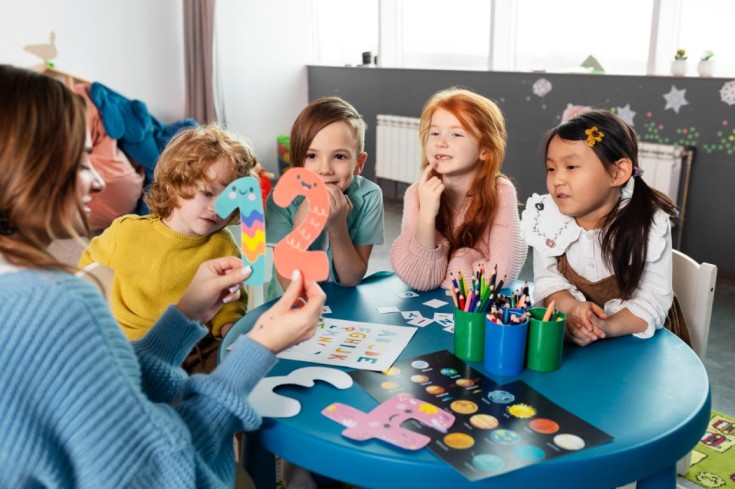
Preschool is often a child’s first structured experience outside the home. While early literacy and numeracy are important, the ability to interact positively with others is just as critical. Social skills developed during preschool years influence how children communicate, manage emotions, build friendships, and respond to challenges throughout life.
Children who develop strong social skills early are more confident, adaptable, and emotionally resilient. Preschool environments play a key role in shaping these abilities through daily interaction, guidance, and play-based learning.
What Are Social Skills in Early Childhood?
Social skills refer to a child’s ability to interact effectively with others. In preschool children, these skills are still developing and require consistent practice and support.
Core social skills include:
-
Sharing and taking turns
-
Listening and responding
-
Expressing needs and emotions
-
Cooperating in group activities
-
Showing empathy and respect
These skills do not develop automatically; they grow through experience, modeling, and gentle guidance.
How Preschool Environments Support Social Development
Preschool settings provide natural opportunities for social learning. Children engage with peers of similar ages, face minor conflicts, and learn to navigate group dynamics in a safe and structured environment.
Daily preschool interactions help children:
-
Learn appropriate social behavior
-
Observe peer responses
-
Practice communication
-
Understand boundaries
Group activities such as circle time, collaborative games, and shared tasks encourage children to participate and contribute.
Learning Social Skills Through Play and Interaction
Play is the primary way preschoolers learn social behaviors. Through imaginative play, role-playing, and cooperative games, children experiment with social roles and emotional expression.
Social play helps children:
-
Practice negotiation and compromise
-
Understand different perspectives
-
Develop problem-solving skills
-
Strengthen verbal and non-verbal communication
When children play together, they learn how actions affect others, building emotional awareness and self-control.
The Role of Teachers in Guiding Social Behavior
Teachers are essential facilitators of social development. Rather than simply correcting behavior, effective educators guide children toward understanding and resolving social challenges.
Supportive teaching practices include:
-
Modeling respectful communication
-
Encouraging positive behavior
-
Helping children label emotions
-
Teaching conflict resolution skills
By responding calmly and consistently, teachers help children feel secure while learning appropriate social responses.
Conflict as a Learning Opportunity
Conflicts are a natural part of preschool life. Disagreements over toys, space, or attention provide valuable learning moments when handled correctly.
Guided conflict resolution teaches children to:
-
Express feelings using words
-
Listen to others’ perspectives
-
Find fair solutions
-
Regulate emotions
Learning to resolve conflicts peacefully helps children build resilience and confidence in social situations.
Building Empathy and Emotional Intelligence
Empathy begins developing in the preschool years. When children learn to recognize emotions in themselves and others, they become more compassionate and socially aware.
Preschool environments support empathy by:
-
Encouraging kindness and cooperation
-
Discussing emotions openly
-
Using stories to explore feelings
-
Reinforcing respectful behavior
Children who develop empathy early are more likely to form strong, positive relationships as they grow.
Montessori Approach to Social Skills Development
Montessori education emphasizes community, respect, and collaboration rather than competition. Multi-age classrooms allow younger children to learn from older peers while older children develop leadership and responsibility.
At Montessori School of Downtown, children learn social skills organically through shared responsibilities, collaborative activities, and mutual respect. This approach helps children feel valued as part of a community rather than compared to others.
How Social Skills Impact Academic Success
Strong social skills directly influence academic performance. Children who feel socially confident are more engaged, focused, and willing to participate in learning activities.
Socially skilled children are more likely to:
-
Ask questions
-
Work cooperatively
-
Follow instructions
-
Persist through challenges
These traits create a positive learning experience and support long-term academic growth.
Creating a Safe and Inclusive Social Environment
A positive preschool environment is one where children feel safe to express themselves without fear of judgment. Emotional safety encourages children to take social risks, such as speaking up or making new friends.
Inclusive environments promote:
-
Mutual respect
-
Acceptance of differences
-
Open communication
-
Strong peer relationships
When children feel secure, social development happens naturally.
Partnering With Parents to Strengthen Social Skills
Social development does not stop at school. Consistency between home and preschool environments reinforces positive behaviors.
Parents can support social learning by:
-
Encouraging cooperative play
-
Modeling respectful communication
-
Discussing emotions
-
Providing opportunities for peer interaction
Strong partnerships between parents and educators enhance a child’s social growth.
Long-Term Benefits of Strong Social Skills
Children who develop strong social skills in preschool are better prepared for future academic and personal challenges. These skills support emotional intelligence, leadership, and adaptability throughout life.
Educational environments such as Montessori School of Downtown focus on nurturing the whole child, ensuring that social growth is valued alongside academic learning.
Final Thoughts: Social Skills Shape Lifelong Success
Preschool years are a critical window for social development. By providing supportive environments, meaningful interaction, and respectful guidance, educators help children build the skills they need to succeed in school and beyond. Strong social skills are not just classroom tools—they are life skills that shape confident, compassionate individuals.