
Children should learn and succeed, driven by an internal need for accomplishment. This need, the product of inherent curiosity, is cultivated not through the use of rewards and punishment, but instead, by bringing an awareness of natural satisfaction: The satisfaction of success, which comes from within, and not from any external stimuli. This satisfaction, born from accomplishment, is the driver of human productivity. A positive feedback loop, which once implemented correctly, becomes a powerhouse of creativity and success. A dangling carrot is not an incentive for a true student, nor is an intimidating test. Stickers and other bribes are just short-term rewards and cannot be associated with real learning. Rather than teach a specific material or subject, the ultimate goal is teaching a child to love learning and take ownership of that learning process. To echo what President Kennedy often said, “even if you are a ditch digger be the best ditch digger in the world.†When a child responds to teaching and learning with love and respect, and shows pride in the work accomplished, only then, can he/she be on the path to becoming a Self-Inspired Learner.
Ashia Kayzer • 15 Sep 2026
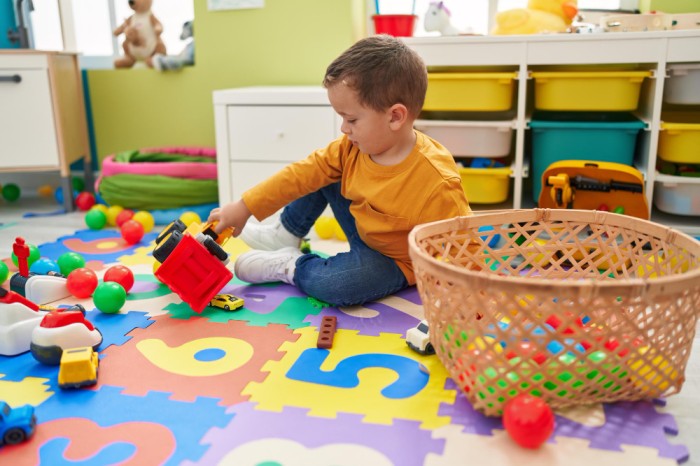
Play is much more than entertainment for preschool children. It helps them develop communication, creativity, problem-solving, motor skills, confidence, and social abilities. Through activities such as pretend play, building, drawing, puzzles, outdoor games, and practical…
Ashia Kayzer • 29 Aug 2026
Every child develops confidence at their own pace. Some children naturally walk into a new classroom, introduce themselves, and start playing with others. Others may take more time to observe, become comfortable with their surroundings,…
