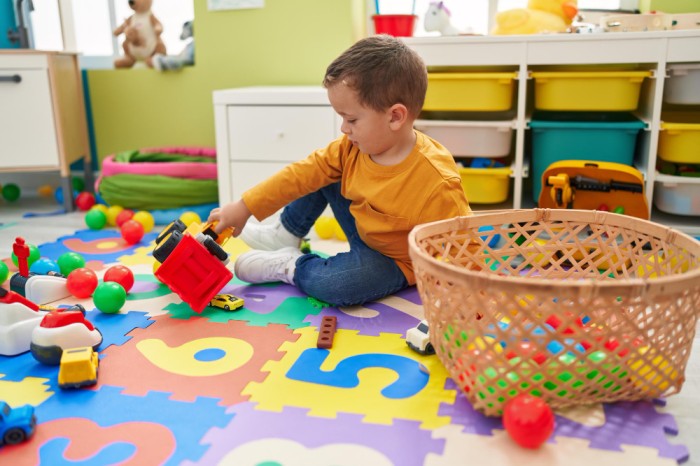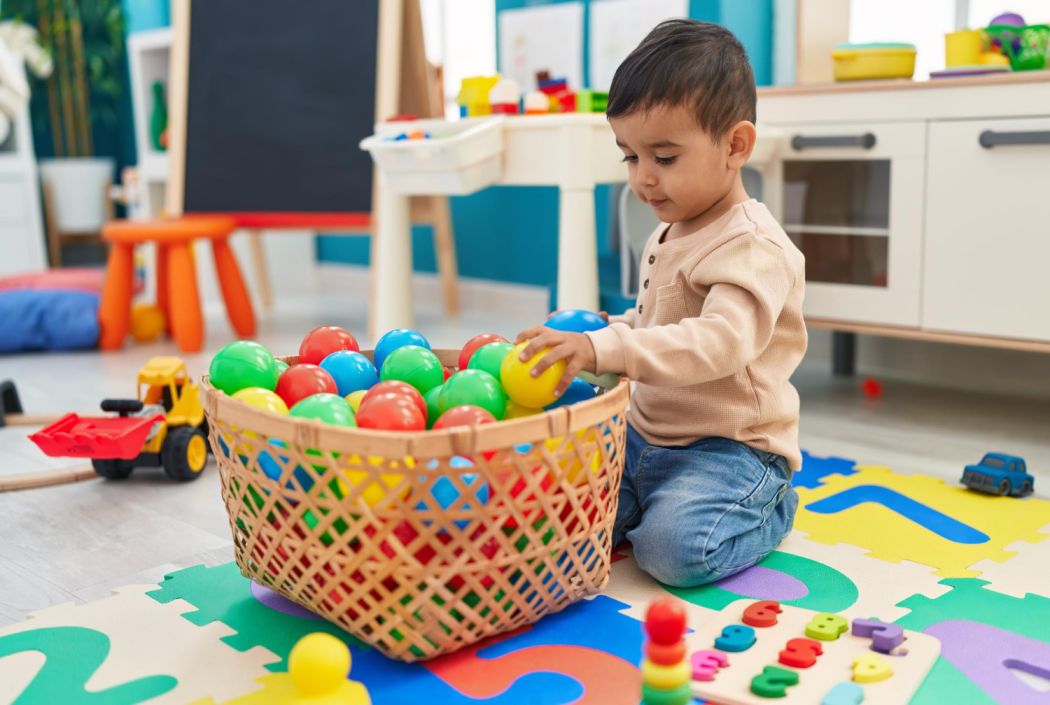
Choosing between a preschool and a daycare is one of the biggest decisions parents make during their child’s early years. While both provide care and supervision for children, they differ greatly in purpose, structure, learning methods, and long-term developmental impact. Understanding these differences can help parents choose the right environment for their child’s growth and happiness.
Many parents often assume preschool and daycare are the same, but they serve different goals. Daycare primarily focuses on child supervision and basic care, while preschool emphasizes structured early learning and school readiness. Knowing what each offers can make the decision much easier.
- Daycare mainly focuses on child care and supervision.
- Preschool focuses on structured learning and early education.
- Preschool programs include academic and social development activities.
- Daycare usually offers more flexible schedules for working parents.
- Preschool curriculum prepares children for kindergarten and beyond.
What Is a Daycare?
A daycare is a childcare center designed to supervise and care for children while parents work or manage daily responsibilities. Daycares usually accept infants, toddlers, and young children of various ages.
The primary purpose of daycare is safety, supervision, meals, naps, and recreational activities. While some daycares include educational games and activities, learning is generally less structured compared to preschool programs.
Most daycare centers offer:
- Flexible drop-off and pickup timings
- Full-day childcare services
- Playtime and social interaction
- Basic learning activities
- Meal and nap schedules
Daycares are especially helpful for working parents who need reliable care throughout the day.
What Is a Preschool?
A preschool is an early childhood education program that prepares children for kindergarten and formal schooling. It focuses on developing cognitive, emotional, social, language, and motor skills through structured activities and guided learning.
Unlike daycare centers, preschools follow a more organized educational approach. Teachers use age-appropriate learning methods to introduce concepts like letters, numbers, communication, creativity, and problem-solving.
A preschool environment encourages children to:
- Learn through exploration
- Build communication skills
- Develop independence
- Improve focus and discipline
- Participate in collaborative learning
Many parents choose preschool because it creates a strong educational foundation during the most important years of brain development.
Preschool Curriculum: Why It Matters
One of the biggest differences between preschool and daycare is the preschool curriculum. A preschool curriculum is carefully planned to help children learn essential developmental and academic skills.
A quality preschool curriculum may include:
- Early reading and language development
- Counting and basic math concepts
- Sensory play activities
- Music and movement
- Social interaction exercises
- Problem-solving tasks
- Creative learning projects
These structured activities help children transition smoothly into elementary school. A good curriculum also supports emotional confidence and independent thinking.
Montessori-based programs often take learning a step further by allowing children to learn at their own pace through hands-on experiences. Montessori School of Downtown, being one of the best Montessori schools in Houston, provides a child-centered learning environment that supports curiosity, creativity, and independence.
What Age Is Preschool?
A common question parents ask is, “What age is preschool appropriate for children?”
Typically, preschool starts between the ages of 2.5 and 5 years old. However, the exact age can vary depending on the child’s readiness and the program structure.
Here is a general breakdown:
- Ages 2–3: Introductory preschool or toddler programs
- Ages 3–4: Early preschool learning
- Ages 4–5: Pre-kindergarten preparation
Children entering preschool should ideally show signs of readiness, such as
- Ability to follow simple instructions
- Interest in social interaction
- Basic communication skills
- Curiosity and independence
Every child develops differently, so parents should choose a program that matches their child’s emotional and developmental needs.
Preschool Crafts and Creative Learning
Creative activities are another major advantage of preschool education. Preschool crafts are not just fun activities — they are essential tools for learning and development.
Craft-based learning helps children:
- Improve fine motor skills
- Build creativity and imagination
- Strengthen hand-eye coordination
- Express emotions and ideas
- Develop patience and concentration
Activities like painting, cutting paper, clay modeling, and group art projects encourage children to explore their creativity while learning important developmental skills.
In many Montessori classrooms, children also participate in practical life activities that combine creativity with independence, helping them gain confidence from an early age.
Key Differences Between Preschool and Daycare
1. Purpose
- Daycare: Focuses on supervision and childcare
- Preschool: Focuses on education and school readiness
2. Learning Structure
- Daycare: Less structured activities
- Preschool: Organized educational programs and routines
3. Teacher Qualifications
Preschool teachers often have specialized training in early childhood education, while daycare staff may focus more on caregiving and supervision.
4. Schedule
Daycares usually offer full-day flexible schedules, while preschools may operate for shorter academic sessions.
5. Child Development Focus
Preschools place greater emphasis on cognitive, emotional, language, and social development.
Which Option Is Better for Your Child?
The answer depends on your family’s needs and your child’s developmental stage.
A daycare may be ideal if:
- You need full-day childcare
- Your child is very young
- Flexible scheduling is important
A preschool may be better if:
- Your child is nearing kindergarten age
- You want structured early education
- You want to improve school readiness and social skills
Some programs successfully combine both childcare and educational learning, giving children the benefits of both environments.
Why Early Education Matters
Research consistently shows that quality early childhood education positively impacts future academic success, confidence, communication skills, and emotional well-being.
Children who attend strong preschool programs often develop the following:
- Better social skills
- Stronger communication abilities
- Greater independence
- Improved problem-solving skills
- Higher confidence in classroom settings
This is why many parents today are investing more time in choosing the right preschool environment for their children.
Montessori School of Downtown, being one of the best preschools in Houston, focuses on creating a balanced environment where children feel supported, engaged, and inspired to learn naturally.
Final Thoughts
Both daycare and preschool provide valuable support for families, but they serve different purposes. Daycare offers dependable childcare and supervision, while preschool introduces structured learning experiences that prepare children for future academic success.
Understanding your child’s personality, developmental readiness, and your family’s daily needs can help you make the best decision. Whether you choose daycare, preschool, or a Montessori-based program, the goal should always be to create a positive, safe, and enriching environment where your child can thrive.