Introduction
Choosing the right early education approach is one of the most important decisions parents make. While many preschool models focus primarily on basic academics, Montessori education takes a broader, more holistic approach. It prepares children not just for kindergarten, but for lifelong success. By fostering independence, critical thinking, and social-emotional skills, Montessori learning equips toddlers and preschoolers with the tools they need to thrive in any future academic setting.
1. Builds a Strong Academic Foundation
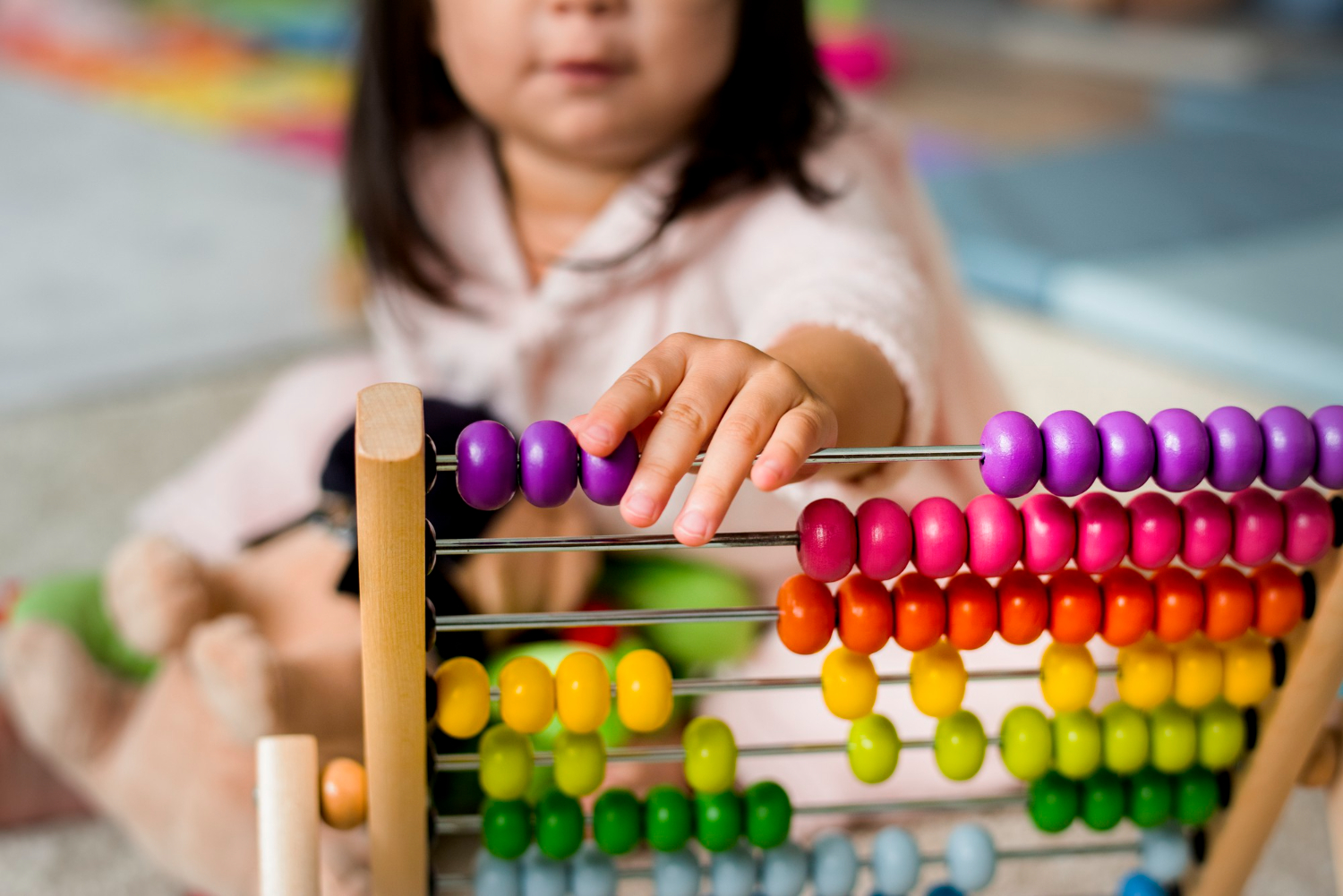
Montessori classrooms introduce children to core subjects like language, math, and science through hands-on learning. Instead of rote memorization, children explore concepts using specially designed materials. For example, they learn numbers through beads and counting tools, and develop early reading skills through phonetic exercises. This method ensures that children truly understand concepts, making the transition to kindergarten smoother and more confident.
2. Encourages Independent Learning
One of the most valuable skills children gain in a Montessori environment is independence. From choosing their activities to completing tasks on their own, children learn to take responsibility for their learning. This independence becomes a major advantage in kindergarten, where children are expected to follow instructions, manage tasks, and work without constant supervision.
3. Develops Strong Concentration Skills
Montessori classrooms allow children to engage in uninterrupted work periods. This helps them develop focus and concentration—skills that are essential for academic success. By the time they enter kindergarten, Montessori students are often able to concentrate for longer periods compared to their peers, giving them a strong edge in structured learning environments.
4. Promotes Social and Emotional Readiness
Kindergarten readiness is not just about academics—it’s also about social and emotional development. Montessori classrooms are designed to foster respect, empathy, and collaboration. Children learn to work in groups, resolve conflicts, and communicate effectively. Mixed-age classrooms further enhance these skills, as younger children learn from older peers while older children develop leadership qualities.
5. Instills a Love for Learning
In Montessori education, learning is driven by curiosity rather than pressure. Children are free to choose activities that interest them, which makes learning enjoyable. This intrinsic motivation carries forward into kindergarten, where children are more engaged, enthusiastic, and eager to participate in classroom activities.
6. Enhances Problem-Solving and Critical Thinking
Montessori teachers guide rather than instruct, encouraging children to find answers independently. This approach develops critical thinking and problem-solving skills. Children learn to analyze situations, make decisions, and learn from mistakes—abilities that are essential not just in school, but in life.
7. Prepares Children for Structured Environments
While Montessori classrooms offer freedom, they are also highly structured. Children follow routines, respect classroom rules, and learn to manage their time effectively. This balance of freedom and structure ensures that children can easily adapt to the more traditional setup of kindergarten classrooms.
8. Develops Fine and Gross Motor Skills
Practical life activities in Montessori education—such as pouring, buttoning, and arranging objects—help children develop fine motor skills. These skills are crucial for tasks like writing, drawing, and using classroom tools in kindergarten. Similarly, movement-based activities support gross motor development, ensuring overall physical readiness.
9. Encourages Responsibility and Self-Discipline
Montessori children learn to care for their environment by cleaning up after activities and organizing materials. This sense of responsibility naturally leads to self-discipline. In kindergarten, this translates into better classroom behavior, respect for rules, and the ability to work independently.
10. Supports Individual Growth and Confidence
Every child develops at their own pace, and Montessori education respects this individuality. Children are not compared to others or pressured to meet uniform benchmarks. Instead, they are encouraged to progress when they are ready. This builds confidence and reduces anxiety, helping children enter kindergarten with a positive mindset.
Parents often notice that children who attend programs like Montessori school of Downtown adapt quickly to new environments. They are more confident, socially aware, and academically prepared compared to peers from traditional preschool settings.
Conclusion
Montessori education goes beyond preparing children for kindergarten—it prepares them for life. By focusing on holistic development, it nurtures confident, independent, and curious learners who are ready to take on new challenges. From strong academic foundations to essential life skills, Montessori equips children with everything they need to succeed in school and beyond.
For parents looking to give their child a meaningful start, Montessori offers a proven pathway to both immediate readiness and long-term growth.