Mixed-age classrooms are a key feature of Montessori education and offer benefits that go beyond academics. Younger children learn by observing older peers, while older children strengthen leadership, communication, and responsibility by helping younger classmates. Research shows that mixed-age environments support social development, confidence, independence, and collaborative learning, creating a strong foundation for lifelong success.
The Hidden Benefits of Mixed-Age Classrooms
Most traditional classrooms group children strictly by age. A room of three-year-olds learns together, four-year-olds stay together, and so on. While this approach is common, many educators and child development experts recognize that children can benefit greatly from learning alongside peers of different ages.
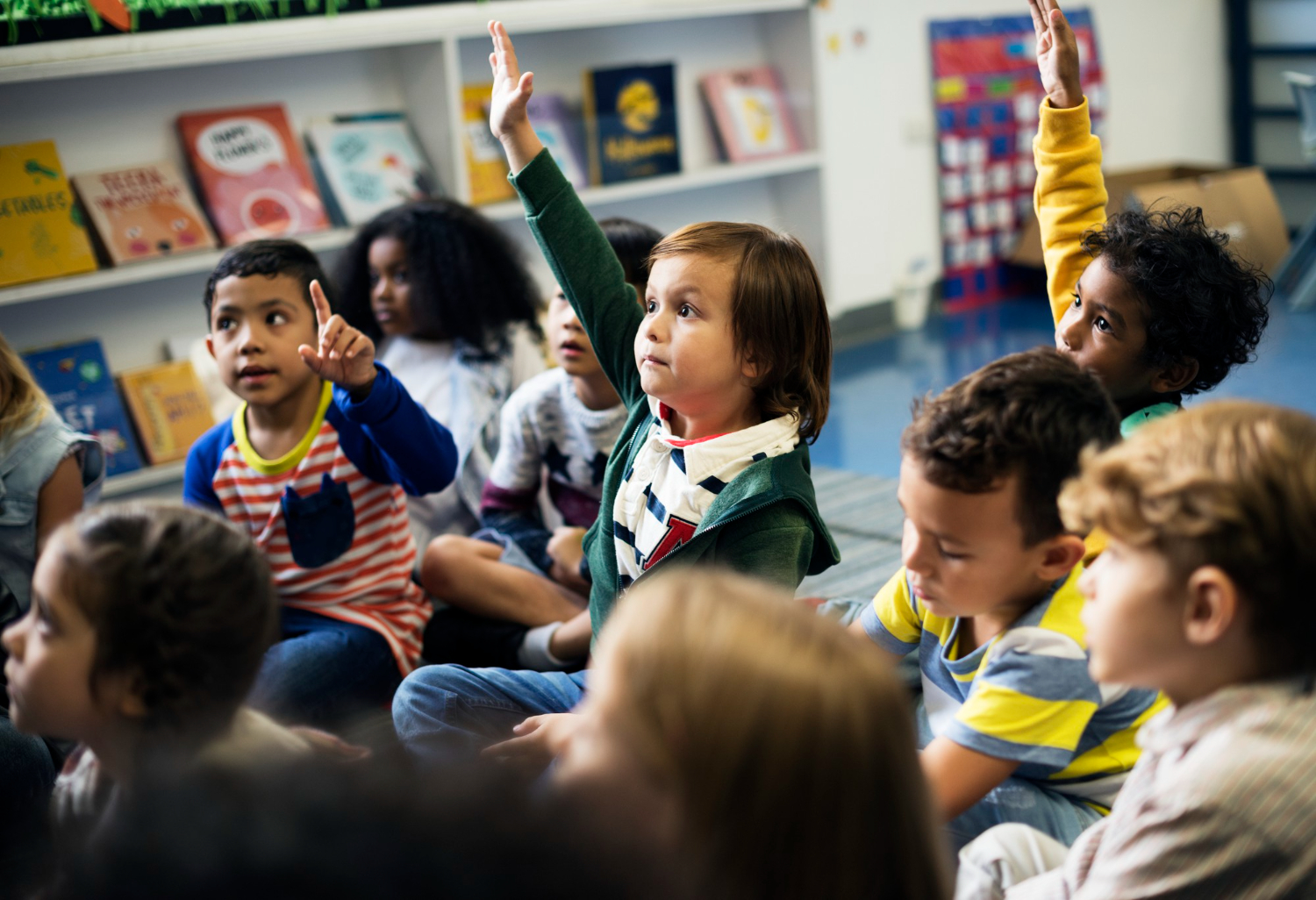
Mixed-age classrooms are one of the defining features of Montessori education. In these environments, younger and older children share the same classroom, typically within a three-year age span. This structure mirrors real life, where people interact with individuals of different ages every day.
Although parents often focus on academic outcomes when choosing a preschool, the hidden advantages of mixed-age classrooms can have an equally powerful impact on a child’s development.
What Is a Mixed-Age Classroom?
A mixed-age classroom intentionally combines children from different age groups in the same learning environment.
For example:
- Toddlers may learn with slightly older toddlers.
- Preschoolers ages 3–6 may share a classroom.
- Elementary Montessori programs may include multiple grade levels.
Teachers prepare activities that meet children at various developmental stages, allowing each child to progress at their own pace.
Younger Children Learn Through Observation
One of the greatest advantages of mixed-age classrooms is the opportunity for younger children to observe older peers.
Children naturally learn by watching others. When a younger child sees an older classmate:
- Pouring water carefully
- Writing letters
- Solving a math problem
- Cleaning up independently
- Speaking politely
they become motivated to try those skills themselves. This process creates a natural pathway for learning without constant adult instruction.
Benefits for younger children
- Increased curiosity
- Faster skill development
- Greater confidence
- Improved language exposure
- Positive role models
Older Children Become Leaders
The benefits are not limited to younger students. Older children gain valuable leadership experience when they help younger classmates.
Teaching or demonstrating a skill requires children to understand it more deeply. As they explain concepts or model behaviors, they strengthen their own learning.
Benefits for older children
- Stronger communication skills
- Greater responsibility
- Increased patience
- Improved empathy
- Enhanced self-esteem
Being viewed as a role model often encourages older children to demonstrate their best behavior and take pride in helping others.
Reduced Competition and Comparison
In same-age classrooms, children are often compared with peers who are expected to be at a similar developmental level. This can create unnecessary pressure.
Mixed-age environments shift the focus away from competition and toward individual growth.
Children are less likely to think:
- “Why can everyone else do this?”
- “Am I behind?”
- “Who is the smartest?”
Instead, they learn that everyone develops at a different pace and has unique strengths.
Stronger Social Skills
Real life rarely places us only with people our exact age. Mixed-age classrooms provide daily opportunities to practice interacting with individuals at different developmental stages.
Children learn how to:
- Adjust communication styles
- Listen respectfully
- Help others
- Ask for assistance
- Resolve conflicts peacefully
- Work collaboratively
These social skills become valuable throughout school, friendships, and eventually the workplace.
Greater Independence
When younger children see older classmates working independently, they are inspired to do the same. Older children also develop independence by managing responsibilities and helping maintain the classroom environment.
Mixed-age classrooms encourage children to:
- Choose activities independently
- Care for materials
- Complete tasks without constant reminders
- Solve small problems on their own
- Take ownership of their learning
This growing independence often transfers to life at home as well.
Emotional Development and Empathy
Empathy is difficult to teach through lectures alone. It develops through meaningful interactions with others.
In mixed-age classrooms, children regularly encounter peers who need help, encouragement, or understanding. Older students learn to support younger ones, while younger children experience the comfort of receiving guidance from classmates.
These interactions help children develop:
- Compassion
- Patience
- Kindness
- Emotional awareness
- Respect for others
Academic Benefits of Mixed-Age Learning
Research suggests that mixed-age classrooms can support academic growth in several ways.
Children often benefit from:
- Peer teaching opportunities
- Repeated exposure to concepts
- Learning at an individual pace
- Reduced performance anxiety
- Increased engagement
For example, a younger child may hear an older student working with numbers months before formally studying the concept, creating familiarity that makes later learning easier.
Preparing Children for the Real World
Outside of school, people collaborate with individuals of different ages, backgrounds, and experience levels. Mixed-age classrooms provide an early introduction to this reality.
Children learn that communities thrive when members support one another rather than compete constantly. They develop flexibility, adaptability, and cooperation—qualities that remain important throughout life.
One example of this approach is Montessori School of Downtown , being one of the Best Preschools in Houston TX, where mixed-age classrooms encourage children to learn from one another while building confidence, leadership, and independence through everyday interactions.
What Parents Often Notice
Parents of children in mixed-age classrooms frequently report positive changes such as:
- Increased confidence
- More helpful behavior at home
- Better communication skills
- Greater independence
- Improved problem-solving
- Stronger empathy toward siblings and friends
These benefits often extend far beyond the preschool years.
Final Thoughts
Mixed-age classrooms offer much more than a different seating arrangement. They create a dynamic learning community where children grow academically, socially, and emotionally through meaningful interactions with peers of different ages.
Younger children gain inspiration and confidence by observing older classmates, while older children develop leadership, responsibility, and empathy through helping others. Together, these experiences foster independence, collaboration, and a deeper understanding of how people learn and work together.
As parents evaluate preschool options, the hidden benefits of mixed-age classrooms are worth considering. An environment that encourages children to learn from one another can provide valuable life skills that support success well beyond the classroom.