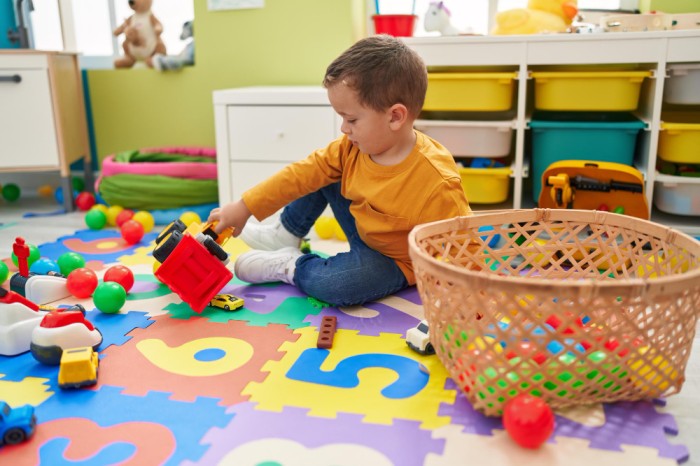
Child-led learning is more than a modern educational trend—it is backed by decades of research in child development and neuroscience. When children are given the freedom to explore their interests within a structured environment, they become more engaged, retain knowledge better, and develop critical thinking, creativity, and independence. This blog explores the science behind child-led learning, its benefits, and why it plays a key role in preparing children for lifelong success.
The Science Behind Child-Led Learning
Every child is naturally curious. From asking endless questions to exploring their surroundings, children are born with an innate desire to learn. The challenge for educators and parents is not to create curiosity but to nurture it.
This is where child-led learning stands out. Rather than relying solely on teacher-directed instruction, child-led learning encourages children to take an active role in their education. They explore concepts at their own pace while teachers provide guidance, encouragement, and thoughtfully prepared learning opportunities.
Research in neuroscience and early childhood education consistently shows that children learn best when they are actively engaged in the learning process rather than passively receiving information.
Let’s explore the science behind child-led learning and why it is becoming an increasingly popular approach in early education.
What Is Child-Led Learning?
Child-led learning is an educational approach where children’s interests, curiosity, and developmental readiness guide their learning experiences.
This does not mean children are left to do whatever they want. Instead, teachers carefully prepare an environment filled with meaningful activities and allow children to choose tasks that match their interests and abilities.
The teacher’s role is to:
- Observe each child’s progress
- Introduce new concepts at the right time
- Encourage exploration
- Ask thoughtful questions
- Support independent problem-solving
This balance of freedom and guidance creates a positive and engaging learning experience.
The Brain Learns Best Through Active Participation
Modern neuroscience has shown that learning becomes more effective when children actively participate rather than simply listen.
When children:
- Explore
- Touch
- Experiment
- Build
- Ask questions
- Solve problems
multiple areas of the brain work together, strengthening neural connections that improve memory and understanding.
This hands-on approach allows children to remember concepts longer because they experience learning instead of memorizing facts.
Intrinsic Motivation Drives Better Learning
One of the biggest scientific advantages of child-led learning is intrinsic motivation.
Intrinsic motivation means children learn because they genuinely want to—not because they are promised rewards or fear punishment.
Studies have found that intrinsically motivated learners are more likely to:
- Stay focused longer
- Enjoy learning
- Solve challenging problems
- Develop resilience
- Become lifelong learners
When children choose activities based on their interests, they naturally invest more time and effort into understanding them.
Learning at the Right Developmental Stage
Every child develops at a unique pace.
Child-led learning respects these developmental differences instead of expecting every child to master the same skill at the same time.
For example:
- One child may be ready to begin reading.
- Another may still be strengthening language skills.
- A third may be deeply interested in numbers and patterns.
Allowing children to progress when they are developmentally ready often leads to deeper understanding and greater confidence.
Hands-On Experiences Improve Memory
Scientists have long known that people remember experiences better than lectures.
Young children especially benefit from learning by doing.
Examples include:
- Pouring water to understand measurement
- Sorting objects to recognize patterns
- Building structures to explore balance
- Gardening to learn about nature
- Counting real objects instead of memorizing numbers
These real-life experiences create stronger brain connections and improve long-term retention.
Child-Led Learning Encourages Executive Function Skills
Executive function refers to the mental skills that help children plan, focus, remember instructions, and manage tasks.
These skills are strong predictors of future academic and life success.
Child-led learning naturally develops executive function by encouraging children to:
- Make choices
- Plan activities
- Complete tasks independently
- Solve problems
- Manage time
- Adapt when challenges arise
These abilities become valuable throughout school and adulthood.
Better Social and Emotional Development
Learning is not just about academics.
Children also need opportunities to develop emotional intelligence and social confidence.
Child-led environments encourage children to:
- Work collaboratively
- Respect others’ ideas
- Practice patience
- Resolve conflicts peacefully
- Build empathy
- Communicate effectively
These social-emotional skills help children thrive both inside and outside the classroom.
Creativity Flourishes Through Exploration
Creativity develops when children have opportunities to explore rather than simply follow instructions.
Instead of looking for one “correct” answer, child-led learning encourages children to:
- Experiment with ideas
- Ask questions
- Test different solutions
- Learn from mistakes
- Think critically
This mindset supports innovation and prepares children for a future where adaptability is increasingly important.
The Role of Teachers in Child-Led Learning
Teachers remain an essential part of the learning process.
Rather than delivering constant lectures, they:
- Observe children’s interests
- Prepare engaging learning environments
- Introduce new concepts
- Encourage independent thinking
- Offer support when needed
- Foster confidence through positive guidance
Their role is to facilitate meaningful learning experiences rather than simply provide answers.
One example of this philosophy in action is Montessori School of Downtown , being one of the Best Preschool in Houston TX, where carefully prepared classrooms encourage children to explore, discover, and build confidence through hands-on learning experiences.
How Parents Can Support Child-Led Learning at Home
Parents can extend child-led learning beyond the classroom with simple everyday activities.
Here are a few ideas:
- Let children choose books to read.
- Encourage open-ended play with blocks or art materials.
- Involve them in cooking and measuring ingredients.
- Ask open-ended questions during conversations.
- Spend time outdoors exploring nature.
- Allow children to solve small problems independently.
- Celebrate effort rather than perfection.
These experiences help reinforce curiosity and confidence in everyday life.
Final Thoughts
The science behind child-led learning is clear: children learn best when they are actively engaged, emotionally invested, and given opportunities to explore within a supportive environment.
Rather than focusing solely on memorization, child-led learning nurtures critical thinking, creativity, independence, and resilience—skills that remain valuable throughout life. By respecting each child’s natural pace of development and encouraging meaningful exploration, this approach helps create confident learners who enjoy discovering the world around them.
As parents consider the best educational path for their children, understanding the research behind child-led learning can make choosing a preschool a more informed and rewarding decision.