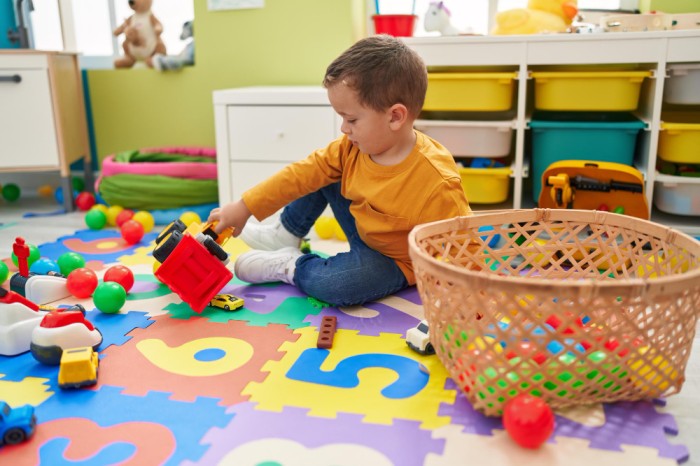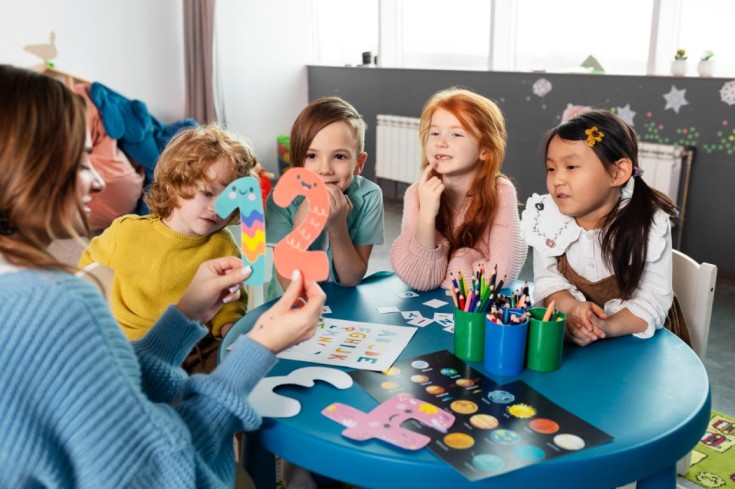
Every child enters preschool with a unique personality, learning style, and developmental pace. While some children quickly adapt, make friends, and enjoy classroom activities, others may take longer to adjust. Factors such as emotional readiness, social skills, independence, learning environment, and parental involvement can significantly influence a child’s preschool experience. Understanding these factors can help parents support their children and set them up for success.
Why Preschool Experiences Differ for Every Child
One of the most common concerns parents have is wondering why one child seems to flourish in preschool while another struggles with separation, participation, or social interactions.
The truth is that preschool success isn’t determined by intelligence alone. A child’s emotional development, confidence, communication skills, and environment all play important roles.
Children develop at different rates, and what may come naturally to one child might require extra support and time for another.
The good news? Most preschool challenges can be overcome with patience, consistency, and the right learning environment.
Quick Data
- Children develop social, emotional, and cognitive skills at different rates.
- Positive preschool experiences are linked to improved school readiness.
- Strong parent-school partnerships often contribute to better learning outcomes.
- Consistent routines help children adapt more easily to new environments.
What Does It Mean to Thrive in Preschool?
A thriving preschooler is not necessarily the child who knows the alphabet first or counts the highest.
Instead, thriving often looks like:
- Participating in activities confidently
- Building friendships
- Following routines
- Expressing emotions appropriately
- Showing curiosity and enthusiasm for learning
- Developing independence
Preschool is about overall development, not just academics.
1. Emotional Readiness Makes a Big Difference
One of the primary reasons some children struggle initially is emotional readiness.
Preschool introduces several new experiences:
- Being away from parents
- Following group routines
- Sharing attention with peers
- Adjusting to unfamiliar adults
Children who have had opportunities to gradually develop independence often adapt more quickly.
Signs of Emotional Readiness
- Comfortable spending time with caregivers other than parents
- Able to follow simple instructions
- Shows interest in interacting with other children
- Can manage short periods of separation
Children who need more time should not be viewed as failing—they simply require additional support during the transition.
2. Social Skills Influence Preschool Success
Preschool is often a child’s first structured social environment.
Children who have experience with:
- Playdates
- Group activities
- Family gatherings
- Community programs
may find it easier to interact with peers.
However, social skills are learned—not inherited.
Preschool itself helps children develop important abilities such as:
- Sharing
- Taking turns
- Listening
- Cooperating
- Conflict resolution
Children who initially struggle socially often make remarkable progress over time.
3. Independence Builds Confidence
Children who thrive in preschool often possess age-appropriate independence.
This doesn’t mean doing everything alone. Instead, it includes skills such as:
- Putting away belongings
- Washing hands independently
- Making simple choices
- Following routines
When children feel capable, they become more confident in exploring and learning.
Many educators believe fostering independence during the early years creates a strong foundation for future success.
4. Every Child Has a Different Learning Style
Not all children learn the same way.
Some children learn best through:
Visual Learning
- Pictures
- Demonstrations
- Books
Auditory Learning
- Stories
- Songs
- Conversations
Hands-On Learning
- Exploration
- Movement
- Manipulative materials
When learning environments recognize these differences, children are more likely to stay engaged and motivated.
5. The Learning Environment Matters
A child’s preschool experience is heavily influenced by the environment itself.
Quality preschool programs typically offer:
- Nurturing teachers
- Safe classrooms
- Hands-on activities
- Individualized attention
- Opportunities for exploration
Children often thrive when they feel respected, supported, and encouraged to learn at their own pace.
This is one reason many parents seek child-centered educational approaches that focus on the whole child rather than academic pressure alone.
6. Separation Anxiety Can Affect Adjustment
Many children experience separation anxiety during the first weeks of preschool.
Common signs include:
- Crying during drop-off
- Clinging to parents
- Reluctance to participate initially
These reactions are normal.
Most children gradually adjust as they develop trust in their teachers and become familiar with classroom routines.
How Parents Can Help
- Maintain consistent drop-off routines
- Stay positive and confident
- Avoid prolonged goodbyes
- Celebrate small successes
Consistency often helps children feel secure.
7. The Role of Parent Involvement
Parents remain a child’s first and most important teachers.
Children often thrive when families:
- Read together regularly
- Establish routines
- Encourage independence
- Communicate with teachers
- Show enthusiasm about learning
Strong partnerships between parents and educators create a support system that benefits children both at home and at school.
8. Confidence Often Matters More Than Academics
Many parents worry about whether their child knows enough letters, numbers, or shapes before preschool.
However, confidence and curiosity are often stronger predictors of success.
Children who feel safe making mistakes are more likely to:
- Ask questions
- Try new activities
- Solve problems independently
- Participate actively
Building self-confidence can have a lasting impact on a child’s educational journey.
Common Reasons Children May Struggle in Preschool
Children may face challenges because of:
- Limited social exposure
- Difficulty with transitions
- Separation anxiety
- Communication delays
- Lack of routine
- Overstimulation in new environments
These struggles do not indicate failure. They simply highlight areas where additional support may be beneficial.
With time and encouragement, most children adjust successfully.
How Parents Can Help Their Child Thrive
Before Preschool Starts
- Practice short separations
- Visit the school together
- Establish consistent routines
- Encourage self-help skills
During the School Year
- Maintain open communication with teachers
- Ask about classroom experiences
- Create predictable home routines
- Celebrate progress rather than perfection
Small daily efforts often lead to significant growth over time.
Why the Right Preschool Environment Matters
A supportive preschool environment can make a tremendous difference in how children adapt and succeed.
Programs that emphasize hands-on learning, independence, emotional development, and individualized attention often help children feel more confident and engaged.
Montessori School of Downtown, being one of the Best Preschools in Houston TX, focuses on creating an environment where children are encouraged to explore, discover, and develop at their own pace. Such child-centered approaches can help both naturally confident learners and those who need additional support feel successful.
Final Thoughts
Every child enters preschool with different strengths, challenges, and developmental timelines. While some children adapt immediately, others may require more time and guidance to feel comfortable.
Preschool success is not about who learns fastest—it’s about helping children build confidence, independence, curiosity, and social-emotional skills that support lifelong learning.
By understanding the factors that influence preschool adjustment and choosing a nurturing educational environment, parents can help their children thrive both inside and outside the classroom. Schools like Montessori School of Downtown, being one of the Best Elementary Schools in Houston , recognize that every child learns differently and deserves an environment that supports their unique journey toward growth and success.