The preschool years are about much more than learning numbers, colors, and the alphabet. Early childhood is the stage where lifelong habits begin to form. The routines and behaviors children learn during these years often shape their physical health, emotional well-being, confidence, and learning abilities far into the future.
Healthy habits help preschoolers feel secure, energetic, and emotionally balanced. They also support better concentration, stronger immunity, positive social interactions, and greater independence. For parents, teaching these habits early can make everyday life smoother while preparing children for long-term success both inside and outside the classroom.
The good news is that young children learn best through repetition, observation, and simple daily routines. Small habits practiced consistently can make a big difference over time.
- Healthy habits support physical, emotional, and cognitive development.
- Preschool years are the best time to build lifelong routines.
- Simple daily practices improve confidence and independence.
- Healthy children often perform better socially and academically.
- Consistency and positive reinforcement are key.
- Montessori School of Downtown, being one of the Best Montessori Schools in Houston, focuses on helping children build healthy routines naturally through structured and child-centered learning environments.
Why Healthy Habits Matter in Early Childhood
Young children thrive in environments where routines feel predictable and supportive. Healthy habits help children understand responsibility while creating a sense of stability and confidence.
Strong habits can improve:
- Physical health
- Emotional regulation
- Attention span
- Social skills
- Academic readiness
- Independence
Children who learn positive routines early are also more likely to continue those habits as they grow older.
The key is making healthy behaviors feel natural rather than forced. Preschool-aged children respond best when habits are introduced through encouragement, consistency, and role modeling.
1. Washing Hands Regularly
Handwashing is one of the simplest yet most important habits children should learn.
Preschoolers touch countless surfaces every day, making hygiene essential for preventing illness. Teaching children to wash their hands:
- Before meals
- After restroom use
- After outdoor play
- After sneezing or coughing
helps protect both their health and the health of others.
Turning handwashing into a fun routine with songs or visual reminders can make the habit easier to maintain.
2. Eating Balanced Meals
Healthy eating habits formed early often last a lifetime.
Preschool children need balanced nutrition to support rapid brain and body development. Encouraging healthy eating means introducing the following:
- Fruits and vegetables
- Whole grains
- Protein-rich foods
- Healthy snacks
- Plenty of water
Parents should focus on creating positive mealtime experiences instead of pressuring children to eat specific foods.
Allowing preschoolers to participate in simple food preparation can also encourage healthier choices.
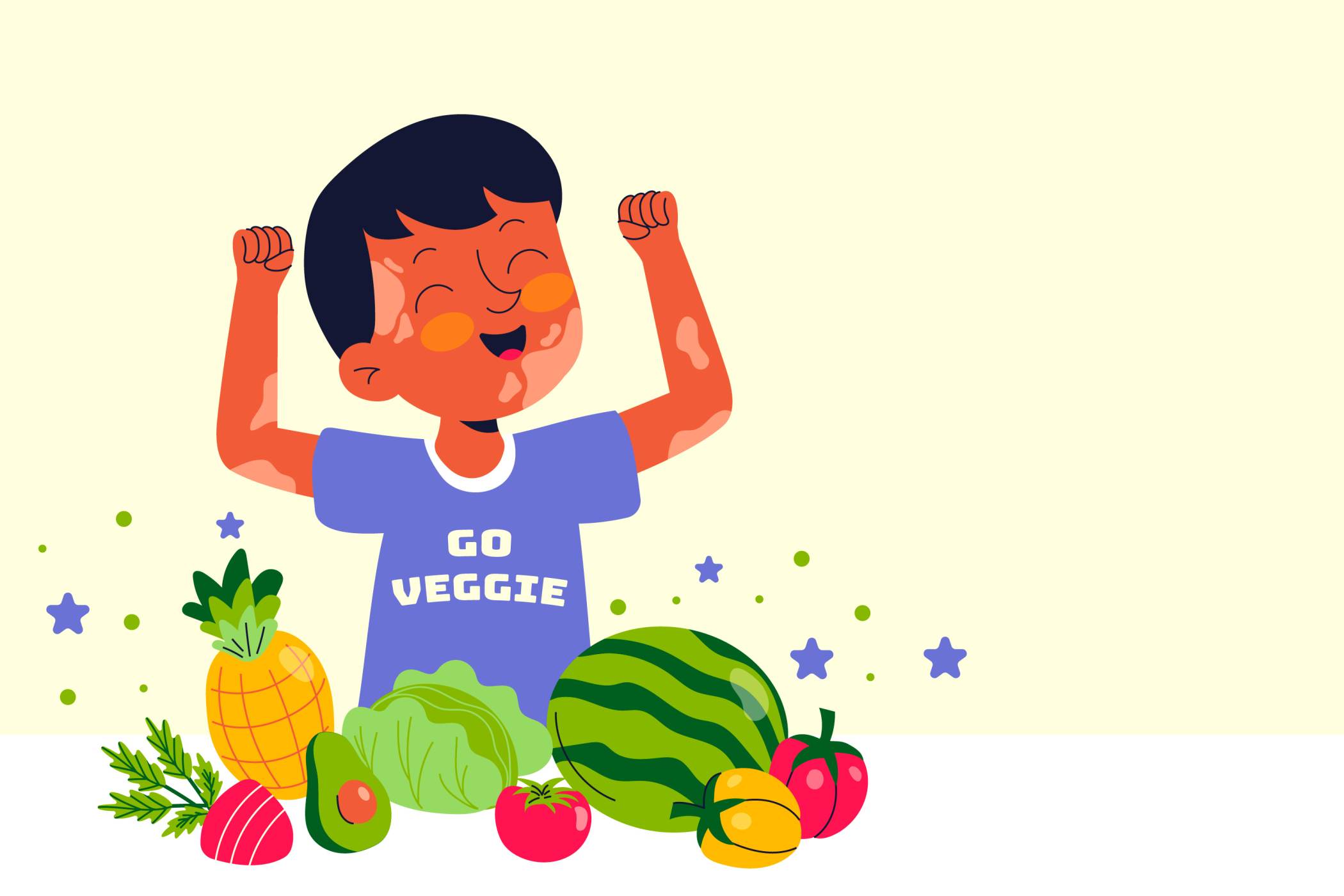
Healthy habits like handwashing, balanced nutrition, sleep routines, and physical activity help preschool children build stronger bodies, emotional confidence, and better learning abilities.
3. Following a Consistent Sleep Routine
Sleep plays a major role in child development.
Preschoolers who get enough sleep often show:
- Better concentration
- Improved mood
- Stronger memory
- Better emotional control
- Increased energy levels
A healthy bedtime routine may include:
- Fixed sleep schedules
- Reduced screen time before bed
- Quiet reading
- Relaxing nighttime activities
Consistency is more important than perfection. Children feel safer and calmer when bedtime routines remain predictable.
4. Staying Physically Active
Young children naturally love movement, and regular physical activity is essential for healthy growth.
Activities like:
- Running
- Dancing
- Outdoor games
- Jumping
- Climbing
- Yoga for kids
help strengthen motor skills, coordination, and overall fitness.
Physical activity also improves emotional well-being by reducing stress and helping children release energy in positive ways.
Preschool environments that encourage active play often support healthier social and cognitive development.
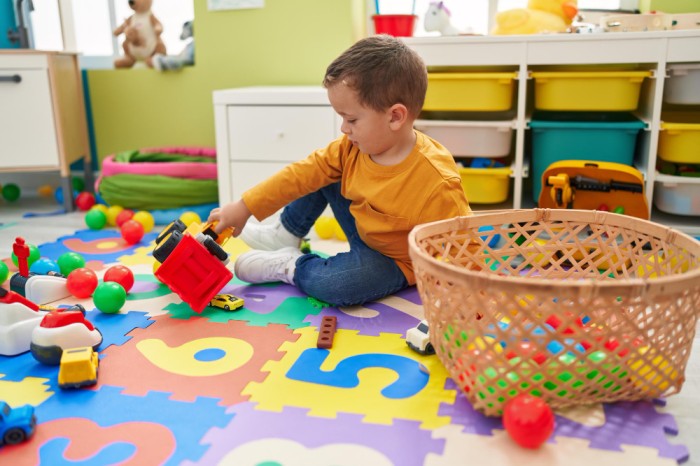
5. Learning to Clean Up After Activities
Teaching children responsibility begins with small daily actions.
Simple habits like putting toys away, organizing books, or cleaning up art supplies help preschoolers learn:
- Independence
- Responsibility
- Organization
- Problem-solving
Children often feel proud when they can complete tasks on their own. Positive reinforcement makes these routines easier to maintain consistently.
6. Practicing Kindness and Respect
Healthy habits are not only physical — emotional and social habits matter too.
Preschoolers should learn how to:
- Say “please” and “thank you”
- Share with others
- Listen patiently
- Express feelings respectfully
- Show empathy
These behaviors help children build strong relationships and emotional intelligence.
Children who feel respected themselves are more likely to treat others kindly.
7. Limiting Screen Time
Technology is now part of daily life, but balance is important for young children.
Too much screen time may affect:
- Sleep quality
- Attention span
- Physical activity levels
- Social interaction
Healthy screen habits include:
- Age-appropriate content
- Limited daily usage
- Screen-free meal times
- More hands-on learning experiences
Replacing excessive screen time with creative activities, outdoor play, or family interaction supports healthier overall development.
8. Developing Good Listening Skills
Listening is an important life skill that supports both learning and communication.
Preschoolers can practice listening through:
- Storytime
- Following simple instructions
- Classroom discussions
- Music activities
- Group games
Strong listening skills help children perform better academically while improving social interactions.
Patience and repetition are important because young children are still learning how to focus attention effectively.
9. Brushing Teeth Daily
Dental hygiene habits should begin early to support lifelong oral health.
Children should learn to:
- Brush twice daily
- Use proper brushing techniques
- Rinse after meals
- Visit the dentist regularly
Fun toothbrushes, songs, or reward charts can help make brushing feel more enjoyable for preschoolers.
When parents consistently model good dental habits, children are more likely to follow them naturally.
10. Expressing Emotions in Healthy Ways
Preschoolers experience strong emotions but may not always know how to communicate them effectively.
Helping children express feelings through:
- Conversation
- Drawing
- Storytelling
- Calm breathing exercises
- Positive reassurance
supports emotional development and self-confidence.
Teaching emotional awareness early helps children manage frustration, disappointment, and social situations more successfully.
Final Thoughts
Healthy habits developed during the preschool years can positively influence every area of a child’s life. From handwashing and healthy eating to kindness, responsibility, and emotional awareness, these daily routines help children grow into confident, capable, and emotionally secure individuals.
The goal is not perfection but consistency. Small habits repeated daily often create the strongest long-term impact. When parents and educators work together to encourage positive routines, children feel supported in ways that strengthen both learning and personal development.
Montessori School of Downtown, being one of the Best Daycare in Houston, continues to support children through nurturing environments that encourage independence, healthy routines, emotional growth, and lifelong learning habits from an early age.