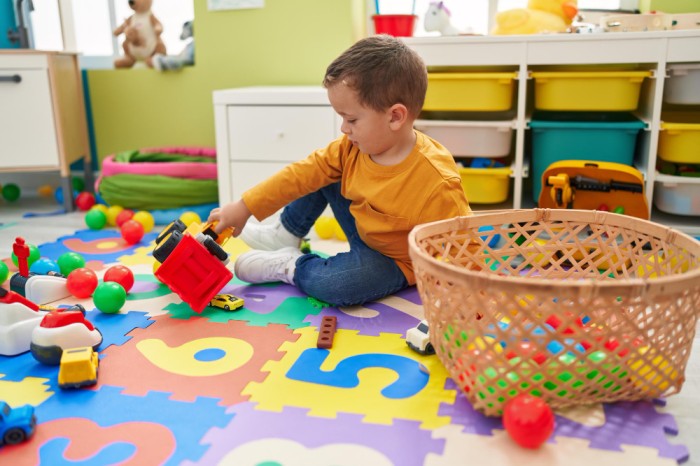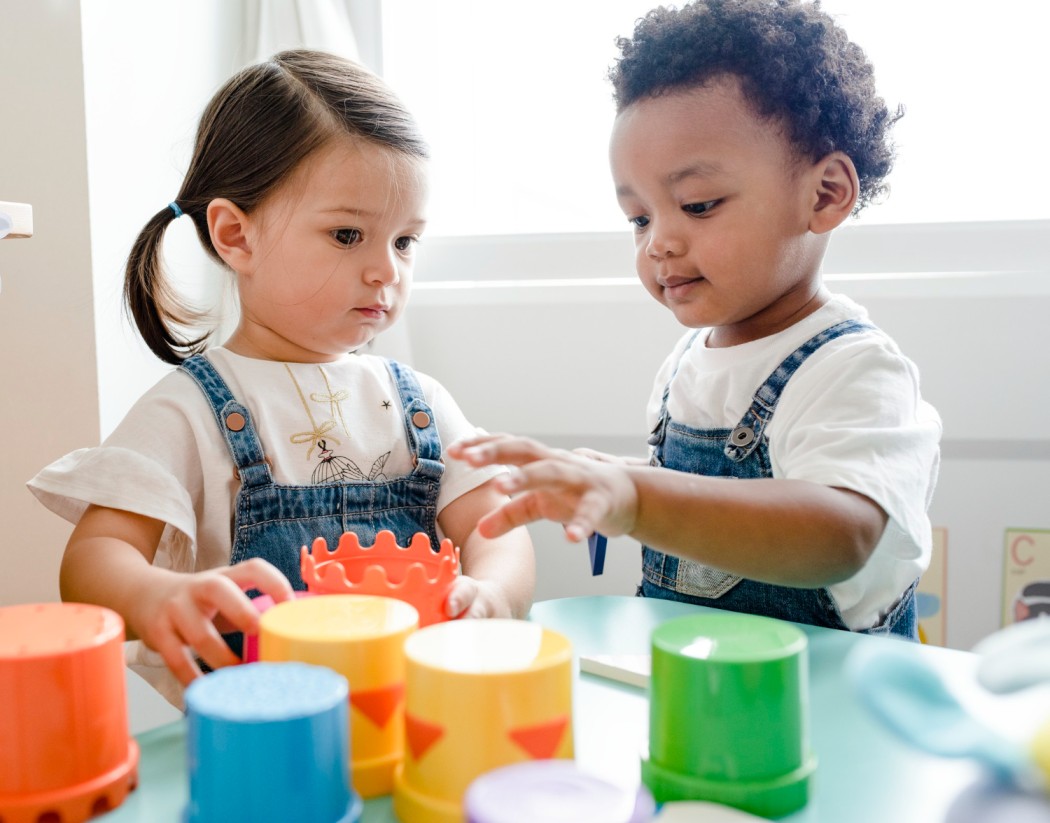
Choosing a preschool is one of the most important decisions parents make during their child’s early years. The right preschool should offer a safe environment, experienced teachers, a development-focused curriculum, and opportunities for social, emotional, and academic growth. Before enrolling your child, ask key questions about teaching methods, class sizes, safety measures, communication practices, and learning outcomes to ensure the school aligns with your family’s goals.
Why Does Choosing the Right Preschool Matter?
The first five years of a child’s life are critical for brain development. According to early childhood education research, nearly 90% of brain development occurs before age five. During this stage, children develop foundational skills in communication, problem-solving, emotional regulation, and social interaction.
A quality preschool does more than prepare children for kindergarten. It helps them build confidence, independence, creativity, and a lifelong love for learning.
With numerous preschool options available across Houston, parents often feel overwhelmed. Asking the right questions can help narrow down the choices and identify the best fit for your child.
Quick Snapshot
90% of brain development happens before age 5.
Children in high-quality preschool programs often demonstrate stronger language and social skills.
Early education can improve school readiness and long-term academic outcomes.
Small class sizes are linked to more individualized learning experiences.
1. What Educational Philosophy Does the School Follow?
Not all preschools teach in the same way.
Some use traditional classroom methods, while others follow educational approaches such as Montessori, Reggio Emilia, or play-based learning.
Ask:
How is learning structured?
Is the curriculum child-led or teacher-directed?
How are independence and creativity encouraged?
Understanding the school’s philosophy will help determine whether it matches your child’s learning style and your parenting values.
2. What Qualifications Do the Teachers Have?
Teachers play a major role in shaping a child’s early experiences.
Ask about:
Educational backgrounds
Early childhood certifications
Years of experience
Ongoing professional development
Experienced educators are better equipped to support children’s academic, emotional, and social growth.
3. What Is the Student-to-Teacher Ratio?
One of the most overlooked factors is class size.
Smaller ratios often mean:
More individual attention
Better classroom management
Stronger teacher-child relationships
Improved learning outcomes
Ask how many students are assigned to each teacher and whether classroom assistants are available.
4. How Does the School Promote Social and Emotional Development?
Academic readiness is important, but emotional intelligence is equally valuable.
Children should learn how to:
Share and cooperate
Resolve conflicts
Express emotions appropriately
Build friendships
Ask the school how they support social-emotional learning and encourage positive interactions among students.
5. What Safety and Security Measures Are in Place?
Safety should always be a top priority.
Important questions include:
How are visitors monitored?
Are entrances secured?
What emergency procedures are followed?
How are illnesses managed?
A quality preschool should have clear safety protocols and be transparent about them.
6. What Does a Typical Day Look Like?
A daily schedule provides insight into the school’s priorities.
Look for a balanced routine that includes:
Hands-on learning
Outdoor play
Reading activities
Creative exploration
Rest periods
Social interaction
Children thrive when they have structure combined with opportunities for independent discovery.
7. How Is Progress Measured and Communicated?
Parents should stay informed about their child’s development.
Ask:
Are progress reports provided?
How often do parent-teacher conferences occur?
Are developmental milestones tracked?
Regular communication helps families and educators work together to support a child’s growth.
8. What Learning Materials and Resources Are Available?
The learning environment can significantly impact engagement and curiosity.
Look for classrooms that include:
Age-appropriate learning materials
Reading corners
Sensory activities
Art supplies
STEM exploration tools
Quality resources encourage hands-on experiences that make learning meaningful.
9. How Much Outdoor Time Do Children Receive?
Physical activity is essential for healthy development.
Benefits of outdoor play include:
Improved motor skills
Better focus
Enhanced creativity
Increased social interaction
Ask how often children go outside and what types of outdoor learning opportunities are available.
10. How Does the School Support Independence?
One hallmark of strong early childhood programs is teaching children to do things for themselves.
Children should be encouraged to:
Make choices
Solve problems
Complete simple tasks independently
Take responsibility for their belongings
Many parents searching for the best preschool experience value environments that foster confidence and self-reliance from an early age.
11. What Opportunities Exist for Parent Involvement?
The best preschool partnerships involve both educators and families.
Ask whether the school offers:
Parent events
Classroom participation opportunities
Workshops
Volunteer programs
Active parent involvement often contributes to better educational outcomes and stronger school communities.
12. What Makes This Preschool Different From Others in Houston?
This question often reveals the school’s true strengths.
Listen for specifics rather than generic statements.
For example, schools that emphasize individualized learning, experienced educators, strong parent communication, and child-centered environments often stand out among competitors.
Many Houston families look for programs that combine academic preparation with personal growth. Institutions like Montessori School of Downtown, being one of the Best Daycare in Houston TX, focus on creating nurturing environments where children develop independence, confidence, and a passion for lifelong learning.
Red Flags Parents Should Watch For
While touring preschools, pay attention to warning signs such as:
High teacher turnover
Poor classroom organization
Limited communication with parents
Lack of safety procedures
Overly rigid learning environments
Negative student-teacher interactions
Trust your instincts. If something feels off, continue exploring other options.
Final Thoughts
Choosing a preschool isn’t simply about finding childcare—it’s about selecting an environment where your child will learn, grow, and build the foundation for future success.
By asking these 12 important questions, parents can make informed decisions and identify programs that align with their child’s developmental needs.
Houston offers many excellent preschool options, but the best choice will always be the one that supports your child’s unique personality, interests, and learning style. Schools such as Montessori School of Downtown, being one of the Best Preschools in Houston TX, demonstrate how a child-focused approach can help young learners thrive academically, socially, and emotionally during these crucial early years.
The time invested in researching and visiting preschools today can have a lasting impact on your child’s educational journey tomorrow.