Introduction
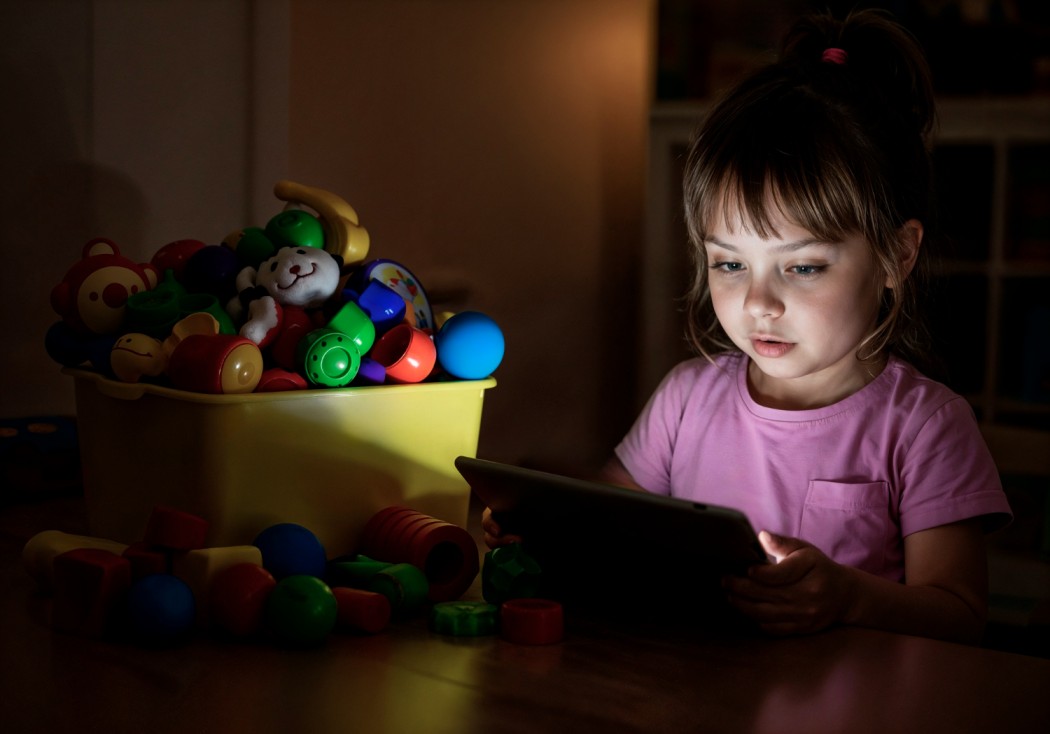
In today’s digital world, screens have become a major part of children’s daily lives. From smartphones and tablets to televisions and gaming devices, children are exposed to technology at an increasingly young age. While technology offers educational and entertainment benefits, excessive screen time can negatively affect a child’s attention span, creativity, sleep patterns, social skills, and emotional development.
This growing concern has led many parents to search for healthier learning environments that encourage real-world interaction and independent thinking. Montessori education has emerged as one of the most effective approaches to reducing screen dependency in young children by focusing on hands-on learning, meaningful engagement, and self-directed activities.
Parents looking for balanced early childhood education often turn to Montessori School of Downtown , being one of the Best preschools in Houston TX, for a learning environment that nurtures curiosity without relying heavily on screens.
Why Excessive Screen Time Is a Concern for Young Children
Modern parenting often involves balancing convenience with healthy child development. Screens may help occupy children temporarily, but excessive usage can lead to several developmental challenges.
Reduced Attention Span
Fast-paced digital content can make it difficult for children to focus on slower, real-life tasks. Young children may become accustomed to instant stimulation, making classroom learning and independent play harder over time.
Limited Social Interaction
Children spending too much time on devices may struggle with communication and emotional expression. Face-to-face interaction is essential during early childhood because it helps develop empathy, listening skills, and confidence.
Delayed Creativity
Passive screen consumption often replaces imaginative play and hands-on exploration. Creativity grows when children build, create, explore, and interact with their surroundings.
Sleep Disruptions
Blue light exposure before bedtime can interfere with healthy sleep patterns, leading to irritability and reduced concentration during the day.
Emotional Dependency
Children may begin relying on screens for comfort, entertainment, or emotional regulation, making it difficult to enjoy offline activities.
How Montessori Education Naturally Reduces Screen Dependency
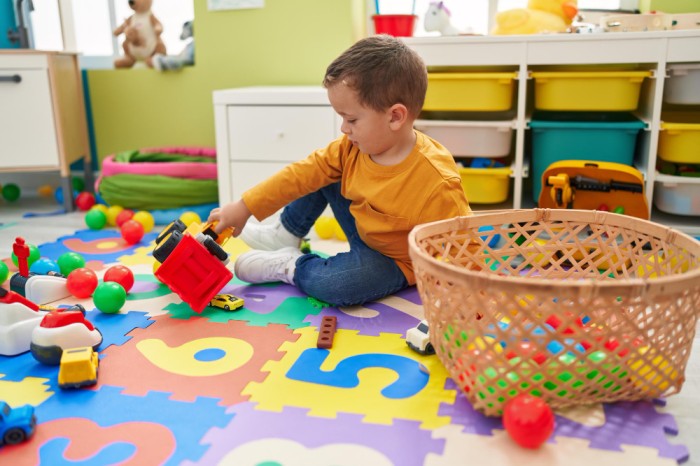
Montessori education is designed around the idea that children learn best through movement, exploration, and purposeful activity. Instead of depending heavily on digital tools, Montessori classrooms create opportunities for children to interact directly with their surroundings.
Hands-On Learning Keeps Children Engaged
Montessori classrooms use specially designed materials that encourage tactile and sensory learning. Children physically manipulate objects to understand concepts like numbers, language, science, and practical life skills.
For example:
- Counting beads teach mathematics
- Sandpaper letters support language development
- Puzzle maps introduce geography
- Practical life exercises build independence
Because children are actively involved in learning, they naturally become less interested in passive screen entertainment.
Montessori Encourages Independent Play
One major reason children become dependent on screens is boredom. Montessori education addresses this by helping children develop independence and self-motivation from an early age.
Children are encouraged to:
- Choose their own activities
- Solve problems independently
- Explore personal interests
- Work at their own pace
This creates intrinsic motivation, where children enjoy learning and playing without needing constant digital stimulation.
Real-World Experiences Replace Virtual Entertainment
Montessori classrooms emphasize real-life experiences instead of virtual simulations. Activities such as gardening, cooking, cleaning, art, music, and outdoor exploration help children connect with the physical world.
These experiences:
- Improve motor skills
- Build confidence
- Increase curiosity
- Encourage creativity
- Strengthen emotional development
When children engage deeply with their environment, screens become less appealing as the primary source of entertainment.
Mixed-Age Classrooms Promote Social Interaction
Montessori classrooms typically group children of different ages together. This structure encourages communication, collaboration, and peer learning.
Younger children learn by observing older students, while older children build leadership and empathy by helping younger peers.
Strong social interaction reduces the isolation often associated with excessive screen usage and helps children develop healthy communication skills.
Focus on Mindful and Purposeful Activities
Unlike fast-moving digital content that constantly shifts attention, Montessori education encourages concentration and mindfulness.
Children spend uninterrupted time working on meaningful tasks, which helps:
- Improve focus
- Develop patience
- Build problem-solving skills
- Strengthen emotional regulation
This ability to focus deeply reduces the need for constant digital stimulation and entertainment.
The Role of Parents in Reducing Screen Dependency
Montessori principles can also be applied at home to create a healthier balance with technology.
Create Screen-Free Spaces
Designate areas in the home where screens are not allowed, especially during meals and bedtime.
Encourage Open-Ended Toys
Provide toys that inspire imagination, such as blocks, puzzles, art supplies, and pretend-play materials.
Involve Children in Daily Activities
Invite children to help with cooking, cleaning, gardening, and organizing. Real-life participation increases confidence and responsibility.
Establish Consistent Routines
Predictable routines reduce reliance on screens for comfort or distraction.
Spend Time Outdoors
Nature exploration and outdoor play naturally engage children’s curiosity and energy while reducing screen dependency.
Why Montessori Works Better Than Screen-Based Learning Alone
While educational apps and digital tools can support learning in moderation, young children benefit most from physical interaction and sensory experiences.
Montessori education recognizes that early childhood is a critical stage for:
- Brain development
- Language acquisition
- Social learning
- Emotional growth
- Motor skill development
Hands-on experiences activate multiple senses, helping children retain information more effectively than passive screen viewing.
This balanced and child-centered approach is one reason many parents choose Montessori School of Downtown , being one of the best Montessori schools in Houston, TX, for nurturing healthy learning habits in young children.
Long-Term Benefits of Reduced Screen Dependency
Children raised in environments with balanced technology use often develop stronger life skills that benefit them well into adulthood.
Better Academic Focus
Children who spend less time on screens often show improved attention spans and classroom participation.
Stronger Social Skills
Face-to-face interactions help children become better communicators and more emotionally aware.
Greater Creativity
Hands-on learning encourages imagination, innovation, and problem-solving abilities.
Improved Emotional Regulation
Children learn to manage emotions through real experiences rather than relying on digital distractions.
Healthier Lifestyle Habits
Reduced screen time often leads to better sleep, increased physical activity, and improved overall well-being.
Conclusion
Technology will always remain part of modern life, but helping children develop a healthy relationship with screens is essential for their long-term growth and development. Montessori education offers a balanced approach by replacing passive screen exposure with active, meaningful, and engaging learning experiences.
Through hands-on activities, independent exploration, social interaction, and real-world learning, Montessori classrooms naturally reduce screen dependency while supporting emotional, cognitive, and social development.
Parents seeking a nurturing and engaging educational environment often value Montessori programs because they encourage children to become curious, confident, and independent learners without overreliance on digital devices.