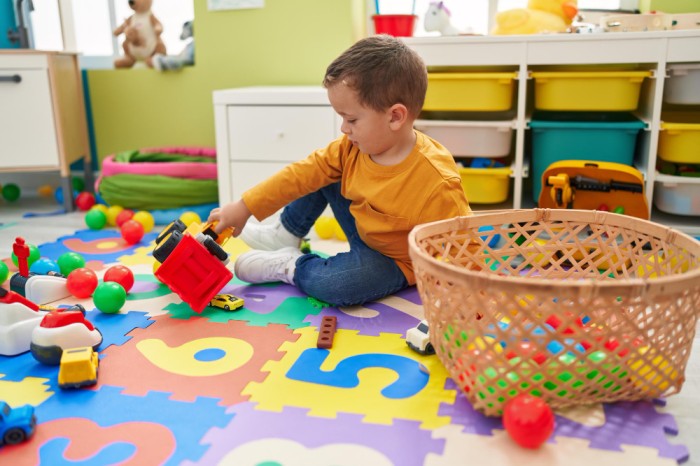
No two toddlers are the same, and that’s what makes watching them grow so magical. While milestones give us a sense of their progress, they don’t define who our children are—every small step forward is worth celebrating.
If you’d like professional guidance or need tips for activities, look into family-inclusive developmental programs or educator-led workshops in your area. Set your child up for both early success and a lifelong love of learning.
Parenting is a joyful, messy, and rewarding endeavor. By nurturing your child’s development with love and patience, you’re giving them the foundation they need to thrive—not just today, but for years to come!
Celebrating Growth and Individuality
No two toddlers are the same, and that’s what makes watching them grow so magical. While milestones give us a sense of their progress, they don’t define who our children are—every small step forward is worth celebrating.
If you’d like professional guidance or need tips for activities, look into family-inclusive developmental programs or educator-led workshops in your area. Set your child up for both early success and a lifelong love of learning.
Parenting is a joyful, messy, and rewarding endeavor. By nurturing your child’s development with love and patience, you’re giving them the foundation they need to thrive—not just today, but for years to come!
Start by consulting your pediatrician or a developmental specialist. Early intervention can make a world of difference!
Preparing for School
While these early milestones are essential, this is also the age when families begin thinking about school readiness. Look at local programs that foster curiosity, independence, and key developmental skills. Montessori-based schools, for example, focus on early self-directed learning and collaborative play. Visiting schools together and involving your child in the preparation can build excitement and ease the transition.
Celebrating Growth and Individuality
No two toddlers are the same, and that’s what makes watching them grow so magical. While milestones give us a sense of their progress, they don’t define who our children are—every small step forward is worth celebrating.
If you’d like professional guidance or need tips for activities, look into family-inclusive developmental programs or educator-led workshops in your area. Set your child up for both early success and a lifelong love of learning.
Parenting is a joyful, messy, and rewarding endeavor. By nurturing your child’s development with love and patience, you’re giving them the foundation they need to thrive—not just today, but for years to come!
Start by consulting your pediatrician or a developmental specialist. Early intervention can make a world of difference!
Preparing for School
While these early milestones are essential, this is also the age when families begin thinking about school readiness. Look at local programs that foster curiosity, independence, and key developmental skills. Montessori-based schools, for example, focus on early self-directed learning and collaborative play. Visiting schools together and involving your child in the preparation can build excitement and ease the transition.
Celebrating Growth and Individuality
No two toddlers are the same, and that’s what makes watching them grow so magical. While milestones give us a sense of their progress, they don’t define who our children are—every small step forward is worth celebrating.
If you’d like professional guidance or need tips for activities, look into family-inclusive developmental programs or educator-led workshops in your area. Set your child up for both early success and a lifelong love of learning.
Parenting is a joyful, messy, and rewarding endeavor. By nurturing your child’s development with love and patience, you’re giving them the foundation they need to thrive—not just today, but for years to come!
Start by consulting your pediatrician or a developmental specialist. Early intervention can make a world of difference!
Preparing for School
While these early milestones are essential, this is also the age when families begin thinking about school readiness. Look at local programs that foster curiosity, independence, and key developmental skills. Montessori-based schools, for example, focus on early self-directed learning and collaborative play. Visiting schools together and involving your child in the preparation can build excitement and ease the transition.
Celebrating Growth and Individuality
No two toddlers are the same, and that’s what makes watching them grow so magical. While milestones give us a sense of their progress, they don’t define who our children are—every small step forward is worth celebrating.
If you’d like professional guidance or need tips for activities, look into family-inclusive developmental programs or educator-led workshops in your area. Set your child up for both early success and a lifelong love of learning.
Parenting is a joyful, messy, and rewarding endeavor. By nurturing your child’s development with love and patience, you’re giving them the foundation they need to thrive—not just today, but for years to come!
If your child isn’t hitting specific key milestones in development, it’s important to raise concerns early. Delayed signs to watch for include:
- Limited or unclear speech by age 2.5.
- Difficulty walking, running, or climbing.
- Lack of interest in interaction or play.
- Intense tantrums that feel difficult to manage regularly.
Start by consulting your pediatrician or a developmental specialist. Early intervention can make a world of difference!
Preparing for School
While these early milestones are essential, this is also the age when families begin thinking about school readiness. Look at local programs that foster curiosity, independence, and key developmental skills. Montessori-based schools, for example, focus on early self-directed learning and collaborative play. Visiting schools together and involving your child in the preparation can build excitement and ease the transition.
Celebrating Growth and Individuality
No two toddlers are the same, and that’s what makes watching them grow so magical. While milestones give us a sense of their progress, they don’t define who our children are—every small step forward is worth celebrating.
If you’d like professional guidance or need tips for activities, look into family-inclusive developmental programs or educator-led workshops in your area. Set your child up for both early success and a lifelong love of learning.
Parenting is a joyful, messy, and rewarding endeavor. By nurturing your child’s development with love and patience, you’re giving them the foundation they need to thrive—not just today, but for years to come!
When to Seek Professional Advice
If your child isn’t hitting specific key milestones in development, it’s important to raise concerns early. Delayed signs to watch for include:
- Limited or unclear speech by age 2.5.
- Difficulty walking, running, or climbing.
- Lack of interest in interaction or play.
- Intense tantrums that feel difficult to manage regularly.
Start by consulting your pediatrician or a developmental specialist. Early intervention can make a world of difference!
Preparing for School
While these early milestones are essential, this is also the age when families begin thinking about school readiness. Look at local programs that foster curiosity, independence, and key developmental skills. Montessori-based schools, for example, focus on early self-directed learning and collaborative play. Visiting schools together and involving your child in the preparation can build excitement and ease the transition.
Celebrating Growth and Individuality
No two toddlers are the same, and that’s what makes watching them grow so magical. While milestones give us a sense of their progress, they don’t define who our children are—every small step forward is worth celebrating.
If you’d like professional guidance or need tips for activities, look into family-inclusive developmental programs or educator-led workshops in your area. Set your child up for both early success and a lifelong love of learning.
Parenting is a joyful, messy, and rewarding endeavor. By nurturing your child’s development with love and patience, you’re giving them the foundation they need to thrive—not just today, but for years to come!
Remember, playtime doesn’t need to be overly structured. Sometimes the most effective learning happens when a child explores and experiments freely.
When to Seek Professional Advice
If your child isn’t hitting specific key milestones in development, it’s important to raise concerns early. Delayed signs to watch for include:
- Limited or unclear speech by age 2.5.
- Difficulty walking, running, or climbing.
- Lack of interest in interaction or play.
- Intense tantrums that feel difficult to manage regularly.
Start by consulting your pediatrician or a developmental specialist. Early intervention can make a world of difference!
Preparing for School
While these early milestones are essential, this is also the age when families begin thinking about school readiness. Look at local programs that foster curiosity, independence, and key developmental skills. Montessori-based schools, for example, focus on early self-directed learning and collaborative play. Visiting schools together and involving your child in the preparation can build excitement and ease the transition.
Celebrating Growth and Individuality
No two toddlers are the same, and that’s what makes watching them grow so magical. While milestones give us a sense of their progress, they don’t define who our children are—every small step forward is worth celebrating.
If you’d like professional guidance or need tips for activities, look into family-inclusive developmental programs or educator-led workshops in your area. Set your child up for both early success and a lifelong love of learning.
Parenting is a joyful, messy, and rewarding endeavor. By nurturing your child’s development with love and patience, you’re giving them the foundation they need to thrive—not just today, but for years to come!
Remember, playtime doesn’t need to be overly structured. Sometimes the most effective learning happens when a child explores and experiments freely.
When to Seek Professional Advice
If your child isn’t hitting specific key milestones in development, it’s important to raise concerns early. Delayed signs to watch for include:
- Limited or unclear speech by age 2.5.
- Difficulty walking, running, or climbing.
- Lack of interest in interaction or play.
- Intense tantrums that feel difficult to manage regularly.
Start by consulting your pediatrician or a developmental specialist. Early intervention can make a world of difference!
Preparing for School
While these early milestones are essential, this is also the age when families begin thinking about school readiness. Look at local programs that foster curiosity, independence, and key developmental skills. Montessori-based schools, for example, focus on early self-directed learning and collaborative play. Visiting schools together and involving your child in the preparation can build excitement and ease the transition.
Celebrating Growth and Individuality
No two toddlers are the same, and that’s what makes watching them grow so magical. While milestones give us a sense of their progress, they don’t define who our children are—every small step forward is worth celebrating.
If you’d like professional guidance or need tips for activities, look into family-inclusive developmental programs or educator-led workshops in your area. Set your child up for both early success and a lifelong love of learning.
Parenting is a joyful, messy, and rewarding endeavor. By nurturing your child’s development with love and patience, you’re giving them the foundation they need to thrive—not just today, but for years to come!
Remember, playtime doesn’t need to be overly structured. Sometimes the most effective learning happens when a child explores and experiments freely.
When to Seek Professional Advice
If your child isn’t hitting specific key milestones in development, it’s important to raise concerns early. Delayed signs to watch for include:
- Limited or unclear speech by age 2.5.
- Difficulty walking, running, or climbing.
- Lack of interest in interaction or play.
- Intense tantrums that feel difficult to manage regularly.
Start by consulting your pediatrician or a developmental specialist. Early intervention can make a world of difference!
Preparing for School
While these early milestones are essential, this is also the age when families begin thinking about school readiness. Look at local programs that foster curiosity, independence, and key developmental skills. Montessori-based schools, for example, focus on early self-directed learning and collaborative play. Visiting schools together and involving your child in the preparation can build excitement and ease the transition.
Celebrating Growth and Individuality
No two toddlers are the same, and that’s what makes watching them grow so magical. While milestones give us a sense of their progress, they don’t define who our children are—every small step forward is worth celebrating.
If you’d like professional guidance or need tips for activities, look into family-inclusive developmental programs or educator-led workshops in your area. Set your child up for both early success and a lifelong love of learning.
Parenting is a joyful, messy, and rewarding endeavor. By nurturing your child’s development with love and patience, you’re giving them the foundation they need to thrive—not just today, but for years to come!
Every experience presents an opportunity for toddlers to learn. Here are some playful, development-friendly ideas:
- Sensory bins for fine motor and cognitive development.
- Obstacle courses to improve gross motor skills.
- Storytime to spark imagination and language growth.
- Matching and sorting games to strengthen logical thinking.
- Pretend play props like kitchens or doctor kits to develop creativity and social skills.
Remember, playtime doesn’t need to be overly structured. Sometimes the most effective learning happens when a child explores and experiments freely.
When to Seek Professional Advice
If your child isn’t hitting specific key milestones in development, it’s important to raise concerns early. Delayed signs to watch for include:
- Limited or unclear speech by age 2.5.
- Difficulty walking, running, or climbing.
- Lack of interest in interaction or play.
- Intense tantrums that feel difficult to manage regularly.
Start by consulting your pediatrician or a developmental specialist. Early intervention can make a world of difference!
Preparing for School
While these early milestones are essential, this is also the age when families begin thinking about school readiness. Look at local programs that foster curiosity, independence, and key developmental skills. Montessori-based schools, for example, focus on early self-directed learning and collaborative play. Visiting schools together and involving your child in the preparation can build excitement and ease the transition.
Celebrating Growth and Individuality
No two toddlers are the same, and that’s what makes watching them grow so magical. While milestones give us a sense of their progress, they don’t define who our children are—every small step forward is worth celebrating.
If you’d like professional guidance or need tips for activities, look into family-inclusive developmental programs or educator-led workshops in your area. Set your child up for both early success and a lifelong love of learning.
Parenting is a joyful, messy, and rewarding endeavor. By nurturing your child’s development with love and patience, you’re giving them the foundation they need to thrive—not just today, but for years to come!
Activities to Encourage Learning and Growth
Every experience presents an opportunity for toddlers to learn. Here are some playful, development-friendly ideas:
- Sensory bins for fine motor and cognitive development.
- Obstacle courses to improve gross motor skills.
- Storytime to spark imagination and language growth.
- Matching and sorting games to strengthen logical thinking.
- Pretend play props like kitchens or doctor kits to develop creativity and social skills.
Remember, playtime doesn’t need to be overly structured. Sometimes the most effective learning happens when a child explores and experiments freely.
When to Seek Professional Advice
If your child isn’t hitting specific key milestones in development, it’s important to raise concerns early. Delayed signs to watch for include:
- Limited or unclear speech by age 2.5.
- Difficulty walking, running, or climbing.
- Lack of interest in interaction or play.
- Intense tantrums that feel difficult to manage regularly.
Start by consulting your pediatrician or a developmental specialist. Early intervention can make a world of difference!
Preparing for School
While these early milestones are essential, this is also the age when families begin thinking about school readiness. Look at local programs that foster curiosity, independence, and key developmental skills. Montessori-based schools, for example, focus on early self-directed learning and collaborative play. Visiting schools together and involving your child in the preparation can build excitement and ease the transition.
Celebrating Growth and Individuality
No two toddlers are the same, and that’s what makes watching them grow so magical. While milestones give us a sense of their progress, they don’t define who our children are—every small step forward is worth celebrating.
If you’d like professional guidance or need tips for activities, look into family-inclusive developmental programs or educator-led workshops in your area. Set your child up for both early success and a lifelong love of learning.
Parenting is a joyful, messy, and rewarding endeavor. By nurturing your child’s development with love and patience, you’re giving them the foundation they need to thrive—not just today, but for years to come!
Encourage emotional development by fostering connections. Playdates, family mealtime, and group activities help build social skills and empathy.
Activities to Encourage Learning and Growth
Every experience presents an opportunity for toddlers to learn. Here are some playful, development-friendly ideas:
- Sensory bins for fine motor and cognitive development.
- Obstacle courses to improve gross motor skills.
- Storytime to spark imagination and language growth.
- Matching and sorting games to strengthen logical thinking.
- Pretend play props like kitchens or doctor kits to develop creativity and social skills.
Remember, playtime doesn’t need to be overly structured. Sometimes the most effective learning happens when a child explores and experiments freely.
When to Seek Professional Advice
If your child isn’t hitting specific key milestones in development, it’s important to raise concerns early. Delayed signs to watch for include:
- Limited or unclear speech by age 2.5.
- Difficulty walking, running, or climbing.
- Lack of interest in interaction or play.
- Intense tantrums that feel difficult to manage regularly.
Start by consulting your pediatrician or a developmental specialist. Early intervention can make a world of difference!
Preparing for School
While these early milestones are essential, this is also the age when families begin thinking about school readiness. Look at local programs that foster curiosity, independence, and key developmental skills. Montessori-based schools, for example, focus on early self-directed learning and collaborative play. Visiting schools together and involving your child in the preparation can build excitement and ease the transition.
Celebrating Growth and Individuality
No two toddlers are the same, and that’s what makes watching them grow so magical. While milestones give us a sense of their progress, they don’t define who our children are—every small step forward is worth celebrating.
If you’d like professional guidance or need tips for activities, look into family-inclusive developmental programs or educator-led workshops in your area. Set your child up for both early success and a lifelong love of learning.
Parenting is a joyful, messy, and rewarding endeavor. By nurturing your child’s development with love and patience, you’re giving them the foundation they need to thrive—not just today, but for years to come!
Encourage emotional development by fostering connections. Playdates, family mealtime, and group activities help build social skills and empathy.
Activities to Encourage Learning and Growth
Every experience presents an opportunity for toddlers to learn. Here are some playful, development-friendly ideas:
- Sensory bins for fine motor and cognitive development.
- Obstacle courses to improve gross motor skills.
- Storytime to spark imagination and language growth.
- Matching and sorting games to strengthen logical thinking.
- Pretend play props like kitchens or doctor kits to develop creativity and social skills.
Remember, playtime doesn’t need to be overly structured. Sometimes the most effective learning happens when a child explores and experiments freely.
When to Seek Professional Advice
If your child isn’t hitting specific key milestones in development, it’s important to raise concerns early. Delayed signs to watch for include:
- Limited or unclear speech by age 2.5.
- Difficulty walking, running, or climbing.
- Lack of interest in interaction or play.
- Intense tantrums that feel difficult to manage regularly.
Start by consulting your pediatrician or a developmental specialist. Early intervention can make a world of difference!
Preparing for School
While these early milestones are essential, this is also the age when families begin thinking about school readiness. Look at local programs that foster curiosity, independence, and key developmental skills. Montessori-based schools, for example, focus on early self-directed learning and collaborative play. Visiting schools together and involving your child in the preparation can build excitement and ease the transition.
Celebrating Growth and Individuality
No two toddlers are the same, and that’s what makes watching them grow so magical. While milestones give us a sense of their progress, they don’t define who our children are—every small step forward is worth celebrating.
If you’d like professional guidance or need tips for activities, look into family-inclusive developmental programs or educator-led workshops in your area. Set your child up for both early success and a lifelong love of learning.
Parenting is a joyful, messy, and rewarding endeavor. By nurturing your child’s development with love and patience, you’re giving them the foundation they need to thrive—not just today, but for years to come!
Encourage emotional development by fostering connections. Playdates, family mealtime, and group activities help build social skills and empathy.
Activities to Encourage Learning and Growth
Every experience presents an opportunity for toddlers to learn. Here are some playful, development-friendly ideas:
- Sensory bins for fine motor and cognitive development.
- Obstacle courses to improve gross motor skills.
- Storytime to spark imagination and language growth.
- Matching and sorting games to strengthen logical thinking.
- Pretend play props like kitchens or doctor kits to develop creativity and social skills.
Remember, playtime doesn’t need to be overly structured. Sometimes the most effective learning happens when a child explores and experiments freely.
When to Seek Professional Advice
If your child isn’t hitting specific key milestones in development, it’s important to raise concerns early. Delayed signs to watch for include:
- Limited or unclear speech by age 2.5.
- Difficulty walking, running, or climbing.
- Lack of interest in interaction or play.
- Intense tantrums that feel difficult to manage regularly.
Start by consulting your pediatrician or a developmental specialist. Early intervention can make a world of difference!
Preparing for School
While these early milestones are essential, this is also the age when families begin thinking about school readiness. Look at local programs that foster curiosity, independence, and key developmental skills. Montessori-based schools, for example, focus on early self-directed learning and collaborative play. Visiting schools together and involving your child in the preparation can build excitement and ease the transition.
Celebrating Growth and Individuality
No two toddlers are the same, and that’s what makes watching them grow so magical. While milestones give us a sense of their progress, they don’t define who our children are—every small step forward is worth celebrating.
If you’d like professional guidance or need tips for activities, look into family-inclusive developmental programs or educator-led workshops in your area. Set your child up for both early success and a lifelong love of learning.
Parenting is a joyful, messy, and rewarding endeavor. By nurturing your child’s development with love and patience, you’re giving them the foundation they need to thrive—not just today, but for years to come!
Key Milestones
- Showing affection to caregivers and peers.
- Engaging in parallel play (side-by-side with other children).
- Understanding some basic rules, like waiting for their turn.
- Expressing a range of emotions and identifying them (I’m happy! †or I’m sad!â€).
- Gaining early signs of independence—like saying
Encourage emotional development by fostering connections. Playdates, family mealtime, and group activities help build social skills and empathy.
Activities to Encourage Learning and Growth
Every experience presents an opportunity for toddlers to learn. Here are some playful, development-friendly ideas:
- Sensory bins for fine motor and cognitive development.
- Obstacle courses to improve gross motor skills.
- Storytime to spark imagination and language growth.
- Matching and sorting games to strengthen logical thinking.
- Pretend play props like kitchens or doctor kits to develop creativity and social skills.
Remember, playtime doesn’t need to be overly structured. Sometimes the most effective learning happens when a child explores and experiments freely.
When to Seek Professional Advice
If your child isn’t hitting specific key milestones in development, it’s important to raise concerns early. Delayed signs to watch for include:
- Limited or unclear speech by age 2.5.
- Difficulty walking, running, or climbing.
- Lack of interest in interaction or play.
- Intense tantrums that feel difficult to manage regularly.
Start by consulting your pediatrician or a developmental specialist. Early intervention can make a world of difference!
Preparing for School
While these early milestones are essential, this is also the age when families begin thinking about school readiness. Look at local programs that foster curiosity, independence, and key developmental skills. Montessori-based schools, for example, focus on early self-directed learning and collaborative play. Visiting schools together and involving your child in the preparation can build excitement and ease the transition.
Celebrating Growth and Individuality
No two toddlers are the same, and that’s what makes watching them grow so magical. While milestones give us a sense of their progress, they don’t define who our children are—every small step forward is worth celebrating.
If you’d like professional guidance or need tips for activities, look into family-inclusive developmental programs or educator-led workshops in your area. Set your child up for both early success and a lifelong love of learning.
Parenting is a joyful, messy, and rewarding endeavor. By nurturing your child’s development with love and patience, you’re giving them the foundation they need to thrive—not just today, but for years to come!
Social and emotional growth lays the groundwork for empathy, interaction, and self-awareness.
Key Milestones
- Showing affection to caregivers and peers.
- Engaging in parallel play (side-by-side with other children).
- Understanding some basic rules, like waiting for their turn.
- Expressing a range of emotions and identifying them (I’m happy! †or I’m sad!â€).
- Gaining early signs of independence—like saying
Encourage emotional development by fostering connections. Playdates, family mealtime, and group activities help build social skills and empathy.
Activities to Encourage Learning and Growth
Every experience presents an opportunity for toddlers to learn. Here are some playful, development-friendly ideas:
- Sensory bins for fine motor and cognitive development.
- Obstacle courses to improve gross motor skills.
- Storytime to spark imagination and language growth.
- Matching and sorting games to strengthen logical thinking.
- Pretend play props like kitchens or doctor kits to develop creativity and social skills.
Remember, playtime doesn’t need to be overly structured. Sometimes the most effective learning happens when a child explores and experiments freely.
When to Seek Professional Advice
If your child isn’t hitting specific key milestones in development, it’s important to raise concerns early. Delayed signs to watch for include:
- Limited or unclear speech by age 2.5.
- Difficulty walking, running, or climbing.
- Lack of interest in interaction or play.
- Intense tantrums that feel difficult to manage regularly.
Start by consulting your pediatrician or a developmental specialist. Early intervention can make a world of difference!
Preparing for School
While these early milestones are essential, this is also the age when families begin thinking about school readiness. Look at local programs that foster curiosity, independence, and key developmental skills. Montessori-based schools, for example, focus on early self-directed learning and collaborative play. Visiting schools together and involving your child in the preparation can build excitement and ease the transition.
Celebrating Growth and Individuality
No two toddlers are the same, and that’s what makes watching them grow so magical. While milestones give us a sense of their progress, they don’t define who our children are—every small step forward is worth celebrating.
If you’d like professional guidance or need tips for activities, look into family-inclusive developmental programs or educator-led workshops in your area. Set your child up for both early success and a lifelong love of learning.
Parenting is a joyful, messy, and rewarding endeavor. By nurturing your child’s development with love and patience, you’re giving them the foundation they need to thrive—not just today, but for years to come!
Social and Emotional Development Milestones
Social and emotional growth lays the groundwork for empathy, interaction, and self-awareness.
Key Milestones
- Showing affection to caregivers and peers.
- Engaging in parallel play (side-by-side with other children).
- Understanding some basic rules, like waiting for their turn.
- Expressing a range of emotions and identifying them (I’m happy! †or I’m sad!â€).
- Gaining early signs of independence—like saying
Encourage emotional development by fostering connections. Playdates, family mealtime, and group activities help build social skills and empathy.
Activities to Encourage Learning and Growth
Every experience presents an opportunity for toddlers to learn. Here are some playful, development-friendly ideas:
- Sensory bins for fine motor and cognitive development.
- Obstacle courses to improve gross motor skills.
- Storytime to spark imagination and language growth.
- Matching and sorting games to strengthen logical thinking.
- Pretend play props like kitchens or doctor kits to develop creativity and social skills.
Remember, playtime doesn’t need to be overly structured. Sometimes the most effective learning happens when a child explores and experiments freely.
When to Seek Professional Advice
If your child isn’t hitting specific key milestones in development, it’s important to raise concerns early. Delayed signs to watch for include:
- Limited or unclear speech by age 2.5.
- Difficulty walking, running, or climbing.
- Lack of interest in interaction or play.
- Intense tantrums that feel difficult to manage regularly.
Start by consulting your pediatrician or a developmental specialist. Early intervention can make a world of difference!
Preparing for School
While these early milestones are essential, this is also the age when families begin thinking about school readiness. Look at local programs that foster curiosity, independence, and key developmental skills. Montessori-based schools, for example, focus on early self-directed learning and collaborative play. Visiting schools together and involving your child in the preparation can build excitement and ease the transition.
Celebrating Growth and Individuality
No two toddlers are the same, and that’s what makes watching them grow so magical. While milestones give us a sense of their progress, they don’t define who our children are—every small step forward is worth celebrating.
If you’d like professional guidance or need tips for activities, look into family-inclusive developmental programs or educator-led workshops in your area. Set your child up for both early success and a lifelong love of learning.
Parenting is a joyful, messy, and rewarding endeavor. By nurturing your child’s development with love and patience, you’re giving them the foundation they need to thrive—not just today, but for years to come!
Social and Emotional Development Milestones
Social and emotional growth lays the groundwork for empathy, interaction, and self-awareness.
Key Milestones
- Showing affection to caregivers and peers.
- Engaging in parallel play (side-by-side with other children).
- Understanding some basic rules, like waiting for their turn.
- Expressing a range of emotions and identifying them (I’m happy! †or I’m sad!â€).
- Gaining early signs of independence—like saying
Encourage emotional development by fostering connections. Playdates, family mealtime, and group activities help build social skills and empathy.
Activities to Encourage Learning and Growth
Every experience presents an opportunity for toddlers to learn. Here are some playful, development-friendly ideas:
- Sensory bins for fine motor and cognitive development.
- Obstacle courses to improve gross motor skills.
- Storytime to spark imagination and language growth.
- Matching and sorting games to strengthen logical thinking.
- Pretend play props like kitchens or doctor kits to develop creativity and social skills.
Remember, playtime doesn’t need to be overly structured. Sometimes the most effective learning happens when a child explores and experiments freely.
When to Seek Professional Advice
If your child isn’t hitting specific key milestones in development, it’s important to raise concerns early. Delayed signs to watch for include:
- Limited or unclear speech by age 2.5.
- Difficulty walking, running, or climbing.
- Lack of interest in interaction or play.
- Intense tantrums that feel difficult to manage regularly.
Start by consulting your pediatrician or a developmental specialist. Early intervention can make a world of difference!
Preparing for School
While these early milestones are essential, this is also the age when families begin thinking about school readiness. Look at local programs that foster curiosity, independence, and key developmental skills. Montessori-based schools, for example, focus on early self-directed learning and collaborative play. Visiting schools together and involving your child in the preparation can build excitement and ease the transition.
Celebrating Growth and Individuality
No two toddlers are the same, and that’s what makes watching them grow so magical. While milestones give us a sense of their progress, they don’t define who our children are—every small step forward is worth celebrating.
If you’d like professional guidance or need tips for activities, look into family-inclusive developmental programs or educator-led workshops in your area. Set your child up for both early success and a lifelong love of learning.
Parenting is a joyful, messy, and rewarding endeavor. By nurturing your child’s development with love and patience, you’re giving them the foundation they need to thrive—not just today, but for years to come!
Social and Emotional Development Milestones
Social and emotional growth lays the groundwork for empathy, interaction, and self-awareness.
Key Milestones
- Showing affection to caregivers and peers.
- Engaging in parallel play (side-by-side with other children).
- Understanding some basic rules, like waiting for their turn.
- Expressing a range of emotions and identifying them (I’m happy! †or I’m sad!â€).
- Gaining early signs of independence—like saying
Encourage emotional development by fostering connections. Playdates, family mealtime, and group activities help build social skills and empathy.
Activities to Encourage Learning and Growth
Every experience presents an opportunity for toddlers to learn. Here are some playful, development-friendly ideas:
- Sensory bins for fine motor and cognitive development.
- Obstacle courses to improve gross motor skills.
- Storytime to spark imagination and language growth.
- Matching and sorting games to strengthen logical thinking.
- Pretend play props like kitchens or doctor kits to develop creativity and social skills.
Remember, playtime doesn’t need to be overly structured. Sometimes the most effective learning happens when a child explores and experiments freely.
When to Seek Professional Advice
If your child isn’t hitting specific key milestones in development, it’s important to raise concerns early. Delayed signs to watch for include:
- Limited or unclear speech by age 2.5.
- Difficulty walking, running, or climbing.
- Lack of interest in interaction or play.
- Intense tantrums that feel difficult to manage regularly.
Start by consulting your pediatrician or a developmental specialist. Early intervention can make a world of difference!
Preparing for School
While these early milestones are essential, this is also the age when families begin thinking about school readiness. Look at local programs that foster curiosity, independence, and key developmental skills. Montessori-based schools, for example, focus on early self-directed learning and collaborative play. Visiting schools together and involving your child in the preparation can build excitement and ease the transition.
Celebrating Growth and Individuality
No two toddlers are the same, and that’s what makes watching them grow so magical. While milestones give us a sense of their progress, they don’t define who our children are—every small step forward is worth celebrating.
If you’d like professional guidance or need tips for activities, look into family-inclusive developmental programs or educator-led workshops in your area. Set your child up for both early success and a lifelong love of learning.
Parenting is a joyful, messy, and rewarding endeavor. By nurturing your child’s development with love and patience, you’re giving them the foundation they need to thrive—not just today, but for years to come!
Encouraging Communication
- Read, read, read—picture books with colorful characters are especially engaging at this stage.
- Have conversations, even if your child speaks in short phrases. Respond to their words to build confidence.
- Sing songs and nursery rhymes—they’re fantastic for introducing rhythm and repetition.
Social and Emotional Development Milestones
Social and emotional growth lays the groundwork for empathy, interaction, and self-awareness.
Key Milestones
- Showing affection to caregivers and peers.
- Engaging in parallel play (side-by-side with other children).
- Understanding some basic rules, like waiting for their turn.
- Expressing a range of emotions and identifying them (I’m happy! †or I’m sad!â€).
- Gaining early signs of independence—like saying
Encourage emotional development by fostering connections. Playdates, family mealtime, and group activities help build social skills and empathy.
Activities to Encourage Learning and Growth
Every experience presents an opportunity for toddlers to learn. Here are some playful, development-friendly ideas:
- Sensory bins for fine motor and cognitive development.
- Obstacle courses to improve gross motor skills.
- Storytime to spark imagination and language growth.
- Matching and sorting games to strengthen logical thinking.
- Pretend play props like kitchens or doctor kits to develop creativity and social skills.
Remember, playtime doesn’t need to be overly structured. Sometimes the most effective learning happens when a child explores and experiments freely.
When to Seek Professional Advice
If your child isn’t hitting specific key milestones in development, it’s important to raise concerns early. Delayed signs to watch for include:
- Limited or unclear speech by age 2.5.
- Difficulty walking, running, or climbing.
- Lack of interest in interaction or play.
- Intense tantrums that feel difficult to manage regularly.
Start by consulting your pediatrician or a developmental specialist. Early intervention can make a world of difference!
Preparing for School
While these early milestones are essential, this is also the age when families begin thinking about school readiness. Look at local programs that foster curiosity, independence, and key developmental skills. Montessori-based schools, for example, focus on early self-directed learning and collaborative play. Visiting schools together and involving your child in the preparation can build excitement and ease the transition.
Celebrating Growth and Individuality
No two toddlers are the same, and that’s what makes watching them grow so magical. While milestones give us a sense of their progress, they don’t define who our children are—every small step forward is worth celebrating.
If you’d like professional guidance or need tips for activities, look into family-inclusive developmental programs or educator-led workshops in your area. Set your child up for both early success and a lifelong love of learning.
Parenting is a joyful, messy, and rewarding endeavor. By nurturing your child’s development with love and patience, you’re giving them the foundation they need to thrive—not just today, but for years to come!
Encouraging Communication
- Read, read, read—picture books with colorful characters are especially engaging at this stage.
- Have conversations, even if your child speaks in short phrases. Respond to their words to build confidence.
- Sing songs and nursery rhymes—they’re fantastic for introducing rhythm and repetition.
Social and Emotional Development Milestones
Social and emotional growth lays the groundwork for empathy, interaction, and self-awareness.
Key Milestones
- Showing affection to caregivers and peers.
- Engaging in parallel play (side-by-side with other children).
- Understanding some basic rules, like waiting for their turn.
- Expressing a range of emotions and identifying them (I’m happy! †or I’m sad!â€).
- Gaining early signs of independence—like saying
Encourage emotional development by fostering connections. Playdates, family mealtime, and group activities help build social skills and empathy.
Activities to Encourage Learning and Growth
Every experience presents an opportunity for toddlers to learn. Here are some playful, development-friendly ideas:
- Sensory bins for fine motor and cognitive development.
- Obstacle courses to improve gross motor skills.
- Storytime to spark imagination and language growth.
- Matching and sorting games to strengthen logical thinking.
- Pretend play props like kitchens or doctor kits to develop creativity and social skills.
Remember, playtime doesn’t need to be overly structured. Sometimes the most effective learning happens when a child explores and experiments freely.
When to Seek Professional Advice
If your child isn’t hitting specific key milestones in development, it’s important to raise concerns early. Delayed signs to watch for include:
- Limited or unclear speech by age 2.5.
- Difficulty walking, running, or climbing.
- Lack of interest in interaction or play.
- Intense tantrums that feel difficult to manage regularly.
Start by consulting your pediatrician or a developmental specialist. Early intervention can make a world of difference!
Preparing for School
While these early milestones are essential, this is also the age when families begin thinking about school readiness. Look at local programs that foster curiosity, independence, and key developmental skills. Montessori-based schools, for example, focus on early self-directed learning and collaborative play. Visiting schools together and involving your child in the preparation can build excitement and ease the transition.
Celebrating Growth and Individuality
No two toddlers are the same, and that’s what makes watching them grow so magical. While milestones give us a sense of their progress, they don’t define who our children are—every small step forward is worth celebrating.
If you’d like professional guidance or need tips for activities, look into family-inclusive developmental programs or educator-led workshops in your area. Set your child up for both early success and a lifelong love of learning.
Parenting is a joyful, messy, and rewarding endeavor. By nurturing your child’s development with love and patience, you’re giving them the foundation they need to thrive—not just today, but for years to come!
Encouraging Communication
- Read, read, read—picture books with colorful characters are especially engaging at this stage.
- Have conversations, even if your child speaks in short phrases. Respond to their words to build confidence.
- Sing songs and nursery rhymes—they’re fantastic for introducing rhythm and repetition.
Social and Emotional Development Milestones
Social and emotional growth lays the groundwork for empathy, interaction, and self-awareness.
Key Milestones
- Showing affection to caregivers and peers.
- Engaging in parallel play (side-by-side with other children).
- Understanding some basic rules, like waiting for their turn.
- Expressing a range of emotions and identifying them (I’m happy! †or I’m sad!â€).
- Gaining early signs of independence—like saying
Encourage emotional development by fostering connections. Playdates, family mealtime, and group activities help build social skills and empathy.
Activities to Encourage Learning and Growth
Every experience presents an opportunity for toddlers to learn. Here are some playful, development-friendly ideas:
- Sensory bins for fine motor and cognitive development.
- Obstacle courses to improve gross motor skills.
- Storytime to spark imagination and language growth.
- Matching and sorting games to strengthen logical thinking.
- Pretend play props like kitchens or doctor kits to develop creativity and social skills.
Remember, playtime doesn’t need to be overly structured. Sometimes the most effective learning happens when a child explores and experiments freely.
When to Seek Professional Advice
If your child isn’t hitting specific key milestones in development, it’s important to raise concerns early. Delayed signs to watch for include:
- Limited or unclear speech by age 2.5.
- Difficulty walking, running, or climbing.
- Lack of interest in interaction or play.
- Intense tantrums that feel difficult to manage regularly.
Start by consulting your pediatrician or a developmental specialist. Early intervention can make a world of difference!
Preparing for School
While these early milestones are essential, this is also the age when families begin thinking about school readiness. Look at local programs that foster curiosity, independence, and key developmental skills. Montessori-based schools, for example, focus on early self-directed learning and collaborative play. Visiting schools together and involving your child in the preparation can build excitement and ease the transition.
Celebrating Growth and Individuality
No two toddlers are the same, and that’s what makes watching them grow so magical. While milestones give us a sense of their progress, they don’t define who our children are—every small step forward is worth celebrating.
If you’d like professional guidance or need tips for activities, look into family-inclusive developmental programs or educator-led workshops in your area. Set your child up for both early success and a lifelong love of learning.
Parenting is a joyful, messy, and rewarding endeavor. By nurturing your child’s development with love and patience, you’re giving them the foundation they need to thrive—not just today, but for years to come!
Communication Skills
- Combining 2–4 words into simple sentences. (“Want cookie!”)
- Answering basic questions, like naming objects, colors, or animals.
- Building a vocabulary of 200–400 words by age 3.
- Understanding who,†what,†and where questions.
Encouraging Communication
- Read, read, read—picture books with colorful characters are especially engaging at this stage.
- Have conversations, even if your child speaks in short phrases. Respond to their words to build confidence.
- Sing songs and nursery rhymes—they’re fantastic for introducing rhythm and repetition.
Social and Emotional Development Milestones
Social and emotional growth lays the groundwork for empathy, interaction, and self-awareness.
Key Milestones
- Showing affection to caregivers and peers.
- Engaging in parallel play (side-by-side with other children).
- Understanding some basic rules, like waiting for their turn.
- Expressing a range of emotions and identifying them (I’m happy! †or I’m sad!â€).
- Gaining early signs of independence—like saying
Encourage emotional development by fostering connections. Playdates, family mealtime, and group activities help build social skills and empathy.
Activities to Encourage Learning and Growth
Every experience presents an opportunity for toddlers to learn. Here are some playful, development-friendly ideas:
- Sensory bins for fine motor and cognitive development.
- Obstacle courses to improve gross motor skills.
- Storytime to spark imagination and language growth.
- Matching and sorting games to strengthen logical thinking.
- Pretend play props like kitchens or doctor kits to develop creativity and social skills.
Remember, playtime doesn’t need to be overly structured. Sometimes the most effective learning happens when a child explores and experiments freely.
When to Seek Professional Advice
If your child isn’t hitting specific key milestones in development, it’s important to raise concerns early. Delayed signs to watch for include:
- Limited or unclear speech by age 2.5.
- Difficulty walking, running, or climbing.
- Lack of interest in interaction or play.
- Intense tantrums that feel difficult to manage regularly.
Start by consulting your pediatrician or a developmental specialist. Early intervention can make a world of difference!
Preparing for School
While these early milestones are essential, this is also the age when families begin thinking about school readiness. Look at local programs that foster curiosity, independence, and key developmental skills. Montessori-based schools, for example, focus on early self-directed learning and collaborative play. Visiting schools together and involving your child in the preparation can build excitement and ease the transition.
Celebrating Growth and Individuality
No two toddlers are the same, and that’s what makes watching them grow so magical. While milestones give us a sense of their progress, they don’t define who our children are—every small step forward is worth celebrating.
If you’d like professional guidance or need tips for activities, look into family-inclusive developmental programs or educator-led workshops in your area. Set your child up for both early success and a lifelong love of learning.
Parenting is a joyful, messy, and rewarding endeavor. By nurturing your child’s development with love and patience, you’re giving them the foundation they need to thrive—not just today, but for years to come!
Between 2 and 3, toddlers begin taking their first steps toward becoming little chatterboxes!
Communication Skills
- Combining 2–4 words into simple sentences. (“Want cookie!”)
- Answering basic questions, like naming objects, colors, or animals.
- Building a vocabulary of 200–400 words by age 3.
- Understanding who,†what,†and where questions.
Encouraging Communication
- Read, read, read—picture books with colorful characters are especially engaging at this stage.
- Have conversations, even if your child speaks in short phrases. Respond to their words to build confidence.
- Sing songs and nursery rhymes—they’re fantastic for introducing rhythm and repetition.
Social and Emotional Development Milestones
Social and emotional growth lays the groundwork for empathy, interaction, and self-awareness.
Key Milestones
- Showing affection to caregivers and peers.
- Engaging in parallel play (side-by-side with other children).
- Understanding some basic rules, like waiting for their turn.
- Expressing a range of emotions and identifying them (I’m happy! †or I’m sad!â€).
- Gaining early signs of independence—like saying
Encourage emotional development by fostering connections. Playdates, family mealtime, and group activities help build social skills and empathy.
Activities to Encourage Learning and Growth
Every experience presents an opportunity for toddlers to learn. Here are some playful, development-friendly ideas:
- Sensory bins for fine motor and cognitive development.
- Obstacle courses to improve gross motor skills.
- Storytime to spark imagination and language growth.
- Matching and sorting games to strengthen logical thinking.
- Pretend play props like kitchens or doctor kits to develop creativity and social skills.
Remember, playtime doesn’t need to be overly structured. Sometimes the most effective learning happens when a child explores and experiments freely.
When to Seek Professional Advice
If your child isn’t hitting specific key milestones in development, it’s important to raise concerns early. Delayed signs to watch for include:
- Limited or unclear speech by age 2.5.
- Difficulty walking, running, or climbing.
- Lack of interest in interaction or play.
- Intense tantrums that feel difficult to manage regularly.
Start by consulting your pediatrician or a developmental specialist. Early intervention can make a world of difference!
Preparing for School
While these early milestones are essential, this is also the age when families begin thinking about school readiness. Look at local programs that foster curiosity, independence, and key developmental skills. Montessori-based schools, for example, focus on early self-directed learning and collaborative play. Visiting schools together and involving your child in the preparation can build excitement and ease the transition.
Celebrating Growth and Individuality
No two toddlers are the same, and that’s what makes watching them grow so magical. While milestones give us a sense of their progress, they don’t define who our children are—every small step forward is worth celebrating.
If you’d like professional guidance or need tips for activities, look into family-inclusive developmental programs or educator-led workshops in your area. Set your child up for both early success and a lifelong love of learning.
Parenting is a joyful, messy, and rewarding endeavor. By nurturing your child’s development with love and patience, you’re giving them the foundation they need to thrive—not just today, but for years to come!
Language Development Milestones
Between 2 and 3, toddlers begin taking their first steps toward becoming little chatterboxes!
Communication Skills
- Combining 2–4 words into simple sentences. (“Want cookie!”)
- Answering basic questions, like naming objects, colors, or animals.
- Building a vocabulary of 200–400 words by age 3.
- Understanding who,†what,†and where questions.
Encouraging Communication
- Read, read, read—picture books with colorful characters are especially engaging at this stage.
- Have conversations, even if your child speaks in short phrases. Respond to their words to build confidence.
- Sing songs and nursery rhymes—they’re fantastic for introducing rhythm and repetition.
Social and Emotional Development Milestones
Social and emotional growth lays the groundwork for empathy, interaction, and self-awareness.
Key Milestones
- Showing affection to caregivers and peers.
- Engaging in parallel play (side-by-side with other children).
- Understanding some basic rules, like waiting for their turn.
- Expressing a range of emotions and identifying them (I’m happy! †or I’m sad!â€).
- Gaining early signs of independence—like saying
Encourage emotional development by fostering connections. Playdates, family mealtime, and group activities help build social skills and empathy.
Activities to Encourage Learning and Growth
Every experience presents an opportunity for toddlers to learn. Here are some playful, development-friendly ideas:
- Sensory bins for fine motor and cognitive development.
- Obstacle courses to improve gross motor skills.
- Storytime to spark imagination and language growth.
- Matching and sorting games to strengthen logical thinking.
- Pretend play props like kitchens or doctor kits to develop creativity and social skills.
Remember, playtime doesn’t need to be overly structured. Sometimes the most effective learning happens when a child explores and experiments freely.
When to Seek Professional Advice
If your child isn’t hitting specific key milestones in development, it’s important to raise concerns early. Delayed signs to watch for include:
- Limited or unclear speech by age 2.5.
- Difficulty walking, running, or climbing.
- Lack of interest in interaction or play.
- Intense tantrums that feel difficult to manage regularly.
Start by consulting your pediatrician or a developmental specialist. Early intervention can make a world of difference!
Preparing for School
While these early milestones are essential, this is also the age when families begin thinking about school readiness. Look at local programs that foster curiosity, independence, and key developmental skills. Montessori-based schools, for example, focus on early self-directed learning and collaborative play. Visiting schools together and involving your child in the preparation can build excitement and ease the transition.
Celebrating Growth and Individuality
No two toddlers are the same, and that’s what makes watching them grow so magical. While milestones give us a sense of their progress, they don’t define who our children are—every small step forward is worth celebrating.
If you’d like professional guidance or need tips for activities, look into family-inclusive developmental programs or educator-led workshops in your area. Set your child up for both early success and a lifelong love of learning.
Parenting is a joyful, messy, and rewarding endeavor. By nurturing your child’s development with love and patience, you’re giving them the foundation they need to thrive—not just today, but for years to come!
Provide open-ended toys like LEGOs, puzzles, or pretend-play kits to stimulate their creativity and problem-solving.
Language Development Milestones
Between 2 and 3, toddlers begin taking their first steps toward becoming little chatterboxes!
Communication Skills
- Combining 2–4 words into simple sentences. (“Want cookie!”)
- Answering basic questions, like naming objects, colors, or animals.
- Building a vocabulary of 200–400 words by age 3.
- Understanding who,†what,†and where questions.
Encouraging Communication
- Read, read, read—picture books with colorful characters are especially engaging at this stage.
- Have conversations, even if your child speaks in short phrases. Respond to their words to build confidence.
- Sing songs and nursery rhymes—they’re fantastic for introducing rhythm and repetition.
Social and Emotional Development Milestones
Social and emotional growth lays the groundwork for empathy, interaction, and self-awareness.
Key Milestones
- Showing affection to caregivers and peers.
- Engaging in parallel play (side-by-side with other children).
- Understanding some basic rules, like waiting for their turn.
- Expressing a range of emotions and identifying them (I’m happy! †or I’m sad!â€).
- Gaining early signs of independence—like saying
Encourage emotional development by fostering connections. Playdates, family mealtime, and group activities help build social skills and empathy.
Activities to Encourage Learning and Growth
Every experience presents an opportunity for toddlers to learn. Here are some playful, development-friendly ideas:
- Sensory bins for fine motor and cognitive development.
- Obstacle courses to improve gross motor skills.
- Storytime to spark imagination and language growth.
- Matching and sorting games to strengthen logical thinking.
- Pretend play props like kitchens or doctor kits to develop creativity and social skills.
Remember, playtime doesn’t need to be overly structured. Sometimes the most effective learning happens when a child explores and experiments freely.
When to Seek Professional Advice
If your child isn’t hitting specific key milestones in development, it’s important to raise concerns early. Delayed signs to watch for include:
- Limited or unclear speech by age 2.5.
- Difficulty walking, running, or climbing.
- Lack of interest in interaction or play.
- Intense tantrums that feel difficult to manage regularly.
Start by consulting your pediatrician or a developmental specialist. Early intervention can make a world of difference!
Preparing for School
While these early milestones are essential, this is also the age when families begin thinking about school readiness. Look at local programs that foster curiosity, independence, and key developmental skills. Montessori-based schools, for example, focus on early self-directed learning and collaborative play. Visiting schools together and involving your child in the preparation can build excitement and ease the transition.
Celebrating Growth and Individuality
No two toddlers are the same, and that’s what makes watching them grow so magical. While milestones give us a sense of their progress, they don’t define who our children are—every small step forward is worth celebrating.
If you’d like professional guidance or need tips for activities, look into family-inclusive developmental programs or educator-led workshops in your area. Set your child up for both early success and a lifelong love of learning.
Parenting is a joyful, messy, and rewarding endeavor. By nurturing your child’s development with love and patience, you’re giving them the foundation they need to thrive—not just today, but for years to come!
Provide open-ended toys like LEGOs, puzzles, or pretend-play kits to stimulate their creativity and problem-solving.
Language Development Milestones
Between 2 and 3, toddlers begin taking their first steps toward becoming little chatterboxes!
Communication Skills
- Combining 2–4 words into simple sentences. (“Want cookie!”)
- Answering basic questions, like naming objects, colors, or animals.
- Building a vocabulary of 200–400 words by age 3.
- Understanding who,†what,†and where questions.
Encouraging Communication
- Read, read, read—picture books with colorful characters are especially engaging at this stage.
- Have conversations, even if your child speaks in short phrases. Respond to their words to build confidence.
- Sing songs and nursery rhymes—they’re fantastic for introducing rhythm and repetition.
Social and Emotional Development Milestones
Social and emotional growth lays the groundwork for empathy, interaction, and self-awareness.
Key Milestones
- Showing affection to caregivers and peers.
- Engaging in parallel play (side-by-side with other children).
- Understanding some basic rules, like waiting for their turn.
- Expressing a range of emotions and identifying them (I’m happy! †or I’m sad!â€).
- Gaining early signs of independence—like saying
Encourage emotional development by fostering connections. Playdates, family mealtime, and group activities help build social skills and empathy.
Activities to Encourage Learning and Growth
Every experience presents an opportunity for toddlers to learn. Here are some playful, development-friendly ideas:
- Sensory bins for fine motor and cognitive development.
- Obstacle courses to improve gross motor skills.
- Storytime to spark imagination and language growth.
- Matching and sorting games to strengthen logical thinking.
- Pretend play props like kitchens or doctor kits to develop creativity and social skills.
Remember, playtime doesn’t need to be overly structured. Sometimes the most effective learning happens when a child explores and experiments freely.
When to Seek Professional Advice
If your child isn’t hitting specific key milestones in development, it’s important to raise concerns early. Delayed signs to watch for include:
- Limited or unclear speech by age 2.5.
- Difficulty walking, running, or climbing.
- Lack of interest in interaction or play.
- Intense tantrums that feel difficult to manage regularly.
Start by consulting your pediatrician or a developmental specialist. Early intervention can make a world of difference!
Preparing for School
While these early milestones are essential, this is also the age when families begin thinking about school readiness. Look at local programs that foster curiosity, independence, and key developmental skills. Montessori-based schools, for example, focus on early self-directed learning and collaborative play. Visiting schools together and involving your child in the preparation can build excitement and ease the transition.
Celebrating Growth and Individuality
No two toddlers are the same, and that’s what makes watching them grow so magical. While milestones give us a sense of their progress, they don’t define who our children are—every small step forward is worth celebrating.
If you’d like professional guidance or need tips for activities, look into family-inclusive developmental programs or educator-led workshops in your area. Set your child up for both early success and a lifelong love of learning.
Parenting is a joyful, messy, and rewarding endeavor. By nurturing your child’s development with love and patience, you’re giving them the foundation they need to thrive—not just today, but for years to come!
By age 3, toddlers undergo massive leaps in cognitive development, including memory, learning, and problem-solving abilities.
Key Milestones to Look For
- Problem-solving: Completing simple puzzles or figuring out how to access their favorite toy.
- Pretend play: Imitating real-life scenarios like playing “doctor” or “teacher.”
- Sorting skills: Grouping objects by type, size, or color.
- Early counting: Recognizing and attempting to count up to 5.
Provide open-ended toys like LEGOs, puzzles, or pretend-play kits to stimulate their creativity and problem-solving.
Language Development Milestones
Between 2 and 3, toddlers begin taking their first steps toward becoming little chatterboxes!
Communication Skills
- Combining 2–4 words into simple sentences. (“Want cookie!”)
- Answering basic questions, like naming objects, colors, or animals.
- Building a vocabulary of 200–400 words by age 3.
- Understanding who,†what,†and where questions.
Encouraging Communication
- Read, read, read—picture books with colorful characters are especially engaging at this stage.
- Have conversations, even if your child speaks in short phrases. Respond to their words to build confidence.
- Sing songs and nursery rhymes—they’re fantastic for introducing rhythm and repetition.
Social and Emotional Development Milestones
Social and emotional growth lays the groundwork for empathy, interaction, and self-awareness.
Key Milestones
- Showing affection to caregivers and peers.
- Engaging in parallel play (side-by-side with other children).
- Understanding some basic rules, like waiting for their turn.
- Expressing a range of emotions and identifying them (I’m happy! †or I’m sad!â€).
- Gaining early signs of independence—like saying
Encourage emotional development by fostering connections. Playdates, family mealtime, and group activities help build social skills and empathy.
Activities to Encourage Learning and Growth
Every experience presents an opportunity for toddlers to learn. Here are some playful, development-friendly ideas:
- Sensory bins for fine motor and cognitive development.
- Obstacle courses to improve gross motor skills.
- Storytime to spark imagination and language growth.
- Matching and sorting games to strengthen logical thinking.
- Pretend play props like kitchens or doctor kits to develop creativity and social skills.
Remember, playtime doesn’t need to be overly structured. Sometimes the most effective learning happens when a child explores and experiments freely.
When to Seek Professional Advice
If your child isn’t hitting specific key milestones in development, it’s important to raise concerns early. Delayed signs to watch for include:
- Limited or unclear speech by age 2.5.
- Difficulty walking, running, or climbing.
- Lack of interest in interaction or play.
- Intense tantrums that feel difficult to manage regularly.
Start by consulting your pediatrician or a developmental specialist. Early intervention can make a world of difference!
Preparing for School
While these early milestones are essential, this is also the age when families begin thinking about school readiness. Look at local programs that foster curiosity, independence, and key developmental skills. Montessori-based schools, for example, focus on early self-directed learning and collaborative play. Visiting schools together and involving your child in the preparation can build excitement and ease the transition.
Celebrating Growth and Individuality
No two toddlers are the same, and that’s what makes watching them grow so magical. While milestones give us a sense of their progress, they don’t define who our children are—every small step forward is worth celebrating.
If you’d like professional guidance or need tips for activities, look into family-inclusive developmental programs or educator-led workshops in your area. Set your child up for both early success and a lifelong love of learning.
Parenting is a joyful, messy, and rewarding endeavor. By nurturing your child’s development with love and patience, you’re giving them the foundation they need to thrive—not just today, but for years to come!
Cognitive Development Milestones
By age 3, toddlers undergo massive leaps in cognitive development, including memory, learning, and problem-solving abilities.
Key Milestones to Look For
- Problem-solving: Completing simple puzzles or figuring out how to access their favorite toy.
- Pretend play: Imitating real-life scenarios like playing “doctor” or “teacher.”
- Sorting skills: Grouping objects by type, size, or color.
- Early counting: Recognizing and attempting to count up to 5.
Provide open-ended toys like LEGOs, puzzles, or pretend-play kits to stimulate their creativity and problem-solving.
Language Development Milestones
Between 2 and 3, toddlers begin taking their first steps toward becoming little chatterboxes!
Communication Skills
- Combining 2–4 words into simple sentences. (“Want cookie!”)
- Answering basic questions, like naming objects, colors, or animals.
- Building a vocabulary of 200–400 words by age 3.
- Understanding who,†what,†and where questions.
Encouraging Communication
- Read, read, read—picture books with colorful characters are especially engaging at this stage.
- Have conversations, even if your child speaks in short phrases. Respond to their words to build confidence.
- Sing songs and nursery rhymes—they’re fantastic for introducing rhythm and repetition.
Social and Emotional Development Milestones
Social and emotional growth lays the groundwork for empathy, interaction, and self-awareness.
Key Milestones
- Showing affection to caregivers and peers.
- Engaging in parallel play (side-by-side with other children).
- Understanding some basic rules, like waiting for their turn.
- Expressing a range of emotions and identifying them (I’m happy! †or I’m sad!â€).
- Gaining early signs of independence—like saying
Encourage emotional development by fostering connections. Playdates, family mealtime, and group activities help build social skills and empathy.
Activities to Encourage Learning and Growth
Every experience presents an opportunity for toddlers to learn. Here are some playful, development-friendly ideas:
- Sensory bins for fine motor and cognitive development.
- Obstacle courses to improve gross motor skills.
- Storytime to spark imagination and language growth.
- Matching and sorting games to strengthen logical thinking.
- Pretend play props like kitchens or doctor kits to develop creativity and social skills.
Remember, playtime doesn’t need to be overly structured. Sometimes the most effective learning happens when a child explores and experiments freely.
When to Seek Professional Advice
If your child isn’t hitting specific key milestones in development, it’s important to raise concerns early. Delayed signs to watch for include:
- Limited or unclear speech by age 2.5.
- Difficulty walking, running, or climbing.
- Lack of interest in interaction or play.
- Intense tantrums that feel difficult to manage regularly.
Start by consulting your pediatrician or a developmental specialist. Early intervention can make a world of difference!
Preparing for School
While these early milestones are essential, this is also the age when families begin thinking about school readiness. Look at local programs that foster curiosity, independence, and key developmental skills. Montessori-based schools, for example, focus on early self-directed learning and collaborative play. Visiting schools together and involving your child in the preparation can build excitement and ease the transition.
Celebrating Growth and Individuality
No two toddlers are the same, and that’s what makes watching them grow so magical. While milestones give us a sense of their progress, they don’t define who our children are—every small step forward is worth celebrating.
If you’d like professional guidance or need tips for activities, look into family-inclusive developmental programs or educator-led workshops in your area. Set your child up for both early success and a lifelong love of learning.
Parenting is a joyful, messy, and rewarding endeavor. By nurturing your child’s development with love and patience, you’re giving them the foundation they need to thrive—not just today, but for years to come!
Encourage physical development through outdoor play—simple activities like throwing a ball or building with blocks can promote these skills.
Cognitive Development Milestones
By age 3, toddlers undergo massive leaps in cognitive development, including memory, learning, and problem-solving abilities.
Key Milestones to Look For
- Problem-solving: Completing simple puzzles or figuring out how to access their favorite toy.
- Pretend play: Imitating real-life scenarios like playing “doctor” or “teacher.”
- Sorting skills: Grouping objects by type, size, or color.
- Early counting: Recognizing and attempting to count up to 5.
Provide open-ended toys like LEGOs, puzzles, or pretend-play kits to stimulate their creativity and problem-solving.
Language Development Milestones
Between 2 and 3, toddlers begin taking their first steps toward becoming little chatterboxes!
Communication Skills
- Combining 2–4 words into simple sentences. (“Want cookie!”)
- Answering basic questions, like naming objects, colors, or animals.
- Building a vocabulary of 200–400 words by age 3.
- Understanding who,†what,†and where questions.
Encouraging Communication
- Read, read, read—picture books with colorful characters are especially engaging at this stage.
- Have conversations, even if your child speaks in short phrases. Respond to their words to build confidence.
- Sing songs and nursery rhymes—they’re fantastic for introducing rhythm and repetition.
Social and Emotional Development Milestones
Social and emotional growth lays the groundwork for empathy, interaction, and self-awareness.
Key Milestones
- Showing affection to caregivers and peers.
- Engaging in parallel play (side-by-side with other children).
- Understanding some basic rules, like waiting for their turn.
- Expressing a range of emotions and identifying them (I’m happy! †or I’m sad!â€).
- Gaining early signs of independence—like saying
Encourage emotional development by fostering connections. Playdates, family mealtime, and group activities help build social skills and empathy.
Activities to Encourage Learning and Growth
Every experience presents an opportunity for toddlers to learn. Here are some playful, development-friendly ideas:
- Sensory bins for fine motor and cognitive development.
- Obstacle courses to improve gross motor skills.
- Storytime to spark imagination and language growth.
- Matching and sorting games to strengthen logical thinking.
- Pretend play props like kitchens or doctor kits to develop creativity and social skills.
Remember, playtime doesn’t need to be overly structured. Sometimes the most effective learning happens when a child explores and experiments freely.
When to Seek Professional Advice
If your child isn’t hitting specific key milestones in development, it’s important to raise concerns early. Delayed signs to watch for include:
- Limited or unclear speech by age 2.5.
- Difficulty walking, running, or climbing.
- Lack of interest in interaction or play.
- Intense tantrums that feel difficult to manage regularly.
Start by consulting your pediatrician or a developmental specialist. Early intervention can make a world of difference!
Preparing for School
While these early milestones are essential, this is also the age when families begin thinking about school readiness. Look at local programs that foster curiosity, independence, and key developmental skills. Montessori-based schools, for example, focus on early self-directed learning and collaborative play. Visiting schools together and involving your child in the preparation can build excitement and ease the transition.
Celebrating Growth and Individuality
No two toddlers are the same, and that’s what makes watching them grow so magical. While milestones give us a sense of their progress, they don’t define who our children are—every small step forward is worth celebrating.
If you’d like professional guidance or need tips for activities, look into family-inclusive developmental programs or educator-led workshops in your area. Set your child up for both early success and a lifelong love of learning.
Parenting is a joyful, messy, and rewarding endeavor. By nurturing your child’s development with love and patience, you’re giving them the foundation they need to thrive—not just today, but for years to come!
Encourage physical development through outdoor play—simple activities like throwing a ball or building with blocks can promote these skills.
Cognitive Development Milestones
By age 3, toddlers undergo massive leaps in cognitive development, including memory, learning, and problem-solving abilities.
Key Milestones to Look For
- Problem-solving: Completing simple puzzles or figuring out how to access their favorite toy.
- Pretend play: Imitating real-life scenarios like playing “doctor” or “teacher.”
- Sorting skills: Grouping objects by type, size, or color.
- Early counting: Recognizing and attempting to count up to 5.
Provide open-ended toys like LEGOs, puzzles, or pretend-play kits to stimulate their creativity and problem-solving.
Language Development Milestones
Between 2 and 3, toddlers begin taking their first steps toward becoming little chatterboxes!
Communication Skills
- Combining 2–4 words into simple sentences. (“Want cookie!”)
- Answering basic questions, like naming objects, colors, or animals.
- Building a vocabulary of 200–400 words by age 3.
- Understanding who,†what,†and where questions.
Encouraging Communication
- Read, read, read—picture books with colorful characters are especially engaging at this stage.
- Have conversations, even if your child speaks in short phrases. Respond to their words to build confidence.
- Sing songs and nursery rhymes—they’re fantastic for introducing rhythm and repetition.
Social and Emotional Development Milestones
Social and emotional growth lays the groundwork for empathy, interaction, and self-awareness.
Key Milestones
- Showing affection to caregivers and peers.
- Engaging in parallel play (side-by-side with other children).
- Understanding some basic rules, like waiting for their turn.
- Expressing a range of emotions and identifying them (I’m happy! †or I’m sad!â€).
- Gaining early signs of independence—like saying
Encourage emotional development by fostering connections. Playdates, family mealtime, and group activities help build social skills and empathy.
Activities to Encourage Learning and Growth
Every experience presents an opportunity for toddlers to learn. Here are some playful, development-friendly ideas:
- Sensory bins for fine motor and cognitive development.
- Obstacle courses to improve gross motor skills.
- Storytime to spark imagination and language growth.
- Matching and sorting games to strengthen logical thinking.
- Pretend play props like kitchens or doctor kits to develop creativity and social skills.
Remember, playtime doesn’t need to be overly structured. Sometimes the most effective learning happens when a child explores and experiments freely.
When to Seek Professional Advice
If your child isn’t hitting specific key milestones in development, it’s important to raise concerns early. Delayed signs to watch for include:
- Limited or unclear speech by age 2.5.
- Difficulty walking, running, or climbing.
- Lack of interest in interaction or play.
- Intense tantrums that feel difficult to manage regularly.
Start by consulting your pediatrician or a developmental specialist. Early intervention can make a world of difference!
Preparing for School
While these early milestones are essential, this is also the age when families begin thinking about school readiness. Look at local programs that foster curiosity, independence, and key developmental skills. Montessori-based schools, for example, focus on early self-directed learning and collaborative play. Visiting schools together and involving your child in the preparation can build excitement and ease the transition.
Celebrating Growth and Individuality
No two toddlers are the same, and that’s what makes watching them grow so magical. While milestones give us a sense of their progress, they don’t define who our children are—every small step forward is worth celebrating.
If you’d like professional guidance or need tips for activities, look into family-inclusive developmental programs or educator-led workshops in your area. Set your child up for both early success and a lifelong love of learning.
Parenting is a joyful, messy, and rewarding endeavor. By nurturing your child’s development with love and patience, you’re giving them the foundation they need to thrive—not just today, but for years to come!
Encourage physical development through outdoor play—simple activities like throwing a ball or building with blocks can promote these skills.
Cognitive Development Milestones
By age 3, toddlers undergo massive leaps in cognitive development, including memory, learning, and problem-solving abilities.
Key Milestones to Look For
- Problem-solving: Completing simple puzzles or figuring out how to access their favorite toy.
- Pretend play: Imitating real-life scenarios like playing “doctor” or “teacher.”
- Sorting skills: Grouping objects by type, size, or color.
- Early counting: Recognizing and attempting to count up to 5.
Provide open-ended toys like LEGOs, puzzles, or pretend-play kits to stimulate their creativity and problem-solving.
Language Development Milestones
Between 2 and 3, toddlers begin taking their first steps toward becoming little chatterboxes!
Communication Skills
- Combining 2–4 words into simple sentences. (“Want cookie!”)
- Answering basic questions, like naming objects, colors, or animals.
- Building a vocabulary of 200–400 words by age 3.
- Understanding who,†what,†and where questions.
Encouraging Communication
- Read, read, read—picture books with colorful characters are especially engaging at this stage.
- Have conversations, even if your child speaks in short phrases. Respond to their words to build confidence.
- Sing songs and nursery rhymes—they’re fantastic for introducing rhythm and repetition.
Social and Emotional Development Milestones
Social and emotional growth lays the groundwork for empathy, interaction, and self-awareness.
Key Milestones
- Showing affection to caregivers and peers.
- Engaging in parallel play (side-by-side with other children).
- Understanding some basic rules, like waiting for their turn.
- Expressing a range of emotions and identifying them (I’m happy! †or I’m sad!â€).
- Gaining early signs of independence—like saying
Encourage emotional development by fostering connections. Playdates, family mealtime, and group activities help build social skills and empathy.
Activities to Encourage Learning and Growth
Every experience presents an opportunity for toddlers to learn. Here are some playful, development-friendly ideas:
- Sensory bins for fine motor and cognitive development.
- Obstacle courses to improve gross motor skills.
- Storytime to spark imagination and language growth.
- Matching and sorting games to strengthen logical thinking.
- Pretend play props like kitchens or doctor kits to develop creativity and social skills.
Remember, playtime doesn’t need to be overly structured. Sometimes the most effective learning happens when a child explores and experiments freely.
When to Seek Professional Advice
If your child isn’t hitting specific key milestones in development, it’s important to raise concerns early. Delayed signs to watch for include:
- Limited or unclear speech by age 2.5.
- Difficulty walking, running, or climbing.
- Lack of interest in interaction or play.
- Intense tantrums that feel difficult to manage regularly.
Start by consulting your pediatrician or a developmental specialist. Early intervention can make a world of difference!
Preparing for School
While these early milestones are essential, this is also the age when families begin thinking about school readiness. Look at local programs that foster curiosity, independence, and key developmental skills. Montessori-based schools, for example, focus on early self-directed learning and collaborative play. Visiting schools together and involving your child in the preparation can build excitement and ease the transition.
Celebrating Growth and Individuality
No two toddlers are the same, and that’s what makes watching them grow so magical. While milestones give us a sense of their progress, they don’t define who our children are—every small step forward is worth celebrating.
If you’d like professional guidance or need tips for activities, look into family-inclusive developmental programs or educator-led workshops in your area. Set your child up for both early success and a lifelong love of learning.
Parenting is a joyful, messy, and rewarding endeavor. By nurturing your child’s development with love and patience, you’re giving them the foundation they need to thrive—not just today, but for years to come!
Smaller muscle movements are essential for more intricate tasks:
- Using utensils, like a spoon, with improved accuracy.
- Turning pages of a book one at a time.
- Building small towers with blocks.
- Scribbling or drawing basic shapes.
Encourage physical development through outdoor play—simple activities like throwing a ball or building with blocks can promote these skills.
Cognitive Development Milestones
By age 3, toddlers undergo massive leaps in cognitive development, including memory, learning, and problem-solving abilities.
Key Milestones to Look For
- Problem-solving: Completing simple puzzles or figuring out how to access their favorite toy.
- Pretend play: Imitating real-life scenarios like playing “doctor” or “teacher.”
- Sorting skills: Grouping objects by type, size, or color.
- Early counting: Recognizing and attempting to count up to 5.
Provide open-ended toys like LEGOs, puzzles, or pretend-play kits to stimulate their creativity and problem-solving.
Language Development Milestones
Between 2 and 3, toddlers begin taking their first steps toward becoming little chatterboxes!
Communication Skills
- Combining 2–4 words into simple sentences. (“Want cookie!”)
- Answering basic questions, like naming objects, colors, or animals.
- Building a vocabulary of 200–400 words by age 3.
- Understanding who,†what,†and where questions.
Encouraging Communication
- Read, read, read—picture books with colorful characters are especially engaging at this stage.
- Have conversations, even if your child speaks in short phrases. Respond to their words to build confidence.
- Sing songs and nursery rhymes—they’re fantastic for introducing rhythm and repetition.
Social and Emotional Development Milestones
Social and emotional growth lays the groundwork for empathy, interaction, and self-awareness.
Key Milestones
- Showing affection to caregivers and peers.
- Engaging in parallel play (side-by-side with other children).
- Understanding some basic rules, like waiting for their turn.
- Expressing a range of emotions and identifying them (I’m happy! †or I’m sad!â€).
- Gaining early signs of independence—like saying
Encourage emotional development by fostering connections. Playdates, family mealtime, and group activities help build social skills and empathy.
Activities to Encourage Learning and Growth
Every experience presents an opportunity for toddlers to learn. Here are some playful, development-friendly ideas:
- Sensory bins for fine motor and cognitive development.
- Obstacle courses to improve gross motor skills.
- Storytime to spark imagination and language growth.
- Matching and sorting games to strengthen logical thinking.
- Pretend play props like kitchens or doctor kits to develop creativity and social skills.
Remember, playtime doesn’t need to be overly structured. Sometimes the most effective learning happens when a child explores and experiments freely.
When to Seek Professional Advice
If your child isn’t hitting specific key milestones in development, it’s important to raise concerns early. Delayed signs to watch for include:
- Limited or unclear speech by age 2.5.
- Difficulty walking, running, or climbing.
- Lack of interest in interaction or play.
- Intense tantrums that feel difficult to manage regularly.
Start by consulting your pediatrician or a developmental specialist. Early intervention can make a world of difference!
Preparing for School
While these early milestones are essential, this is also the age when families begin thinking about school readiness. Look at local programs that foster curiosity, independence, and key developmental skills. Montessori-based schools, for example, focus on early self-directed learning and collaborative play. Visiting schools together and involving your child in the preparation can build excitement and ease the transition.
Celebrating Growth and Individuality
No two toddlers are the same, and that’s what makes watching them grow so magical. While milestones give us a sense of their progress, they don’t define who our children are—every small step forward is worth celebrating.
If you’d like professional guidance or need tips for activities, look into family-inclusive developmental programs or educator-led workshops in your area. Set your child up for both early success and a lifelong love of learning.
Parenting is a joyful, messy, and rewarding endeavor. By nurturing your child’s development with love and patience, you’re giving them the foundation they need to thrive—not just today, but for years to come!
Fine Motor Skills
Smaller muscle movements are essential for more intricate tasks:
- Using utensils, like a spoon, with improved accuracy.
- Turning pages of a book one at a time.
- Building small towers with blocks.
- Scribbling or drawing basic shapes.
Encourage physical development through outdoor play—simple activities like throwing a ball or building with blocks can promote these skills.
Cognitive Development Milestones
By age 3, toddlers undergo massive leaps in cognitive development, including memory, learning, and problem-solving abilities.
Key Milestones to Look For
- Problem-solving: Completing simple puzzles or figuring out how to access their favorite toy.
- Pretend play: Imitating real-life scenarios like playing “doctor” or “teacher.”
- Sorting skills: Grouping objects by type, size, or color.
- Early counting: Recognizing and attempting to count up to 5.
Provide open-ended toys like LEGOs, puzzles, or pretend-play kits to stimulate their creativity and problem-solving.
Language Development Milestones
Between 2 and 3, toddlers begin taking their first steps toward becoming little chatterboxes!
Communication Skills
- Combining 2–4 words into simple sentences. (“Want cookie!”)
- Answering basic questions, like naming objects, colors, or animals.
- Building a vocabulary of 200–400 words by age 3.
- Understanding who,†what,†and where questions.
Encouraging Communication
- Read, read, read—picture books with colorful characters are especially engaging at this stage.
- Have conversations, even if your child speaks in short phrases. Respond to their words to build confidence.
- Sing songs and nursery rhymes—they’re fantastic for introducing rhythm and repetition.
Social and Emotional Development Milestones
Social and emotional growth lays the groundwork for empathy, interaction, and self-awareness.
Key Milestones
- Showing affection to caregivers and peers.
- Engaging in parallel play (side-by-side with other children).
- Understanding some basic rules, like waiting for their turn.
- Expressing a range of emotions and identifying them (I’m happy! †or I’m sad!â€).
- Gaining early signs of independence—like saying
Encourage emotional development by fostering connections. Playdates, family mealtime, and group activities help build social skills and empathy.
Activities to Encourage Learning and Growth
Every experience presents an opportunity for toddlers to learn. Here are some playful, development-friendly ideas:
- Sensory bins for fine motor and cognitive development.
- Obstacle courses to improve gross motor skills.
- Storytime to spark imagination and language growth.
- Matching and sorting games to strengthen logical thinking.
- Pretend play props like kitchens or doctor kits to develop creativity and social skills.
Remember, playtime doesn’t need to be overly structured. Sometimes the most effective learning happens when a child explores and experiments freely.
When to Seek Professional Advice
If your child isn’t hitting specific key milestones in development, it’s important to raise concerns early. Delayed signs to watch for include:
- Limited or unclear speech by age 2.5.
- Difficulty walking, running, or climbing.
- Lack of interest in interaction or play.
- Intense tantrums that feel difficult to manage regularly.
Start by consulting your pediatrician or a developmental specialist. Early intervention can make a world of difference!
Preparing for School
While these early milestones are essential, this is also the age when families begin thinking about school readiness. Look at local programs that foster curiosity, independence, and key developmental skills. Montessori-based schools, for example, focus on early self-directed learning and collaborative play. Visiting schools together and involving your child in the preparation can build excitement and ease the transition.
Celebrating Growth and Individuality
No two toddlers are the same, and that’s what makes watching them grow so magical. While milestones give us a sense of their progress, they don’t define who our children are—every small step forward is worth celebrating.
If you’d like professional guidance or need tips for activities, look into family-inclusive developmental programs or educator-led workshops in your area. Set your child up for both early success and a lifelong love of learning.
Parenting is a joyful, messy, and rewarding endeavor. By nurturing your child’s development with love and patience, you’re giving them the foundation they need to thrive—not just today, but for years to come!
Fine Motor Skills
Smaller muscle movements are essential for more intricate tasks:
- Using utensils, like a spoon, with improved accuracy.
- Turning pages of a book one at a time.
- Building small towers with blocks.
- Scribbling or drawing basic shapes.
Encourage physical development through outdoor play—simple activities like throwing a ball or building with blocks can promote these skills.
Cognitive Development Milestones
By age 3, toddlers undergo massive leaps in cognitive development, including memory, learning, and problem-solving abilities.
Key Milestones to Look For
- Problem-solving: Completing simple puzzles or figuring out how to access their favorite toy.
- Pretend play: Imitating real-life scenarios like playing “doctor” or “teacher.”
- Sorting skills: Grouping objects by type, size, or color.
- Early counting: Recognizing and attempting to count up to 5.
Provide open-ended toys like LEGOs, puzzles, or pretend-play kits to stimulate their creativity and problem-solving.
Language Development Milestones
Between 2 and 3, toddlers begin taking their first steps toward becoming little chatterboxes!
Communication Skills
- Combining 2–4 words into simple sentences. (“Want cookie!”)
- Answering basic questions, like naming objects, colors, or animals.
- Building a vocabulary of 200–400 words by age 3.
- Understanding who,†what,†and where questions.
Encouraging Communication
- Read, read, read—picture books with colorful characters are especially engaging at this stage.
- Have conversations, even if your child speaks in short phrases. Respond to their words to build confidence.
- Sing songs and nursery rhymes—they’re fantastic for introducing rhythm and repetition.
Social and Emotional Development Milestones
Social and emotional growth lays the groundwork for empathy, interaction, and self-awareness.
Key Milestones
- Showing affection to caregivers and peers.
- Engaging in parallel play (side-by-side with other children).
- Understanding some basic rules, like waiting for their turn.
- Expressing a range of emotions and identifying them (I’m happy! †or I’m sad!â€).
- Gaining early signs of independence—like saying
Encourage emotional development by fostering connections. Playdates, family mealtime, and group activities help build social skills and empathy.
Activities to Encourage Learning and Growth
Every experience presents an opportunity for toddlers to learn. Here are some playful, development-friendly ideas:
- Sensory bins for fine motor and cognitive development.
- Obstacle courses to improve gross motor skills.
- Storytime to spark imagination and language growth.
- Matching and sorting games to strengthen logical thinking.
- Pretend play props like kitchens or doctor kits to develop creativity and social skills.
Remember, playtime doesn’t need to be overly structured. Sometimes the most effective learning happens when a child explores and experiments freely.
When to Seek Professional Advice
If your child isn’t hitting specific key milestones in development, it’s important to raise concerns early. Delayed signs to watch for include:
- Limited or unclear speech by age 2.5.
- Difficulty walking, running, or climbing.
- Lack of interest in interaction or play.
- Intense tantrums that feel difficult to manage regularly.
Start by consulting your pediatrician or a developmental specialist. Early intervention can make a world of difference!
Preparing for School
While these early milestones are essential, this is also the age when families begin thinking about school readiness. Look at local programs that foster curiosity, independence, and key developmental skills. Montessori-based schools, for example, focus on early self-directed learning and collaborative play. Visiting schools together and involving your child in the preparation can build excitement and ease the transition.
Celebrating Growth and Individuality
No two toddlers are the same, and that’s what makes watching them grow so magical. While milestones give us a sense of their progress, they don’t define who our children are—every small step forward is worth celebrating.
If you’d like professional guidance or need tips for activities, look into family-inclusive developmental programs or educator-led workshops in your area. Set your child up for both early success and a lifelong love of learning.
Parenting is a joyful, messy, and rewarding endeavor. By nurturing your child’s development with love and patience, you’re giving them the foundation they need to thrive—not just today, but for years to come!
Fine Motor Skills
Smaller muscle movements are essential for more intricate tasks:
- Using utensils, like a spoon, with improved accuracy.
- Turning pages of a book one at a time.
- Building small towers with blocks.
- Scribbling or drawing basic shapes.
Encourage physical development through outdoor play—simple activities like throwing a ball or building with blocks can promote these skills.
Cognitive Development Milestones
By age 3, toddlers undergo massive leaps in cognitive development, including memory, learning, and problem-solving abilities.
Key Milestones to Look For
- Problem-solving: Completing simple puzzles or figuring out how to access their favorite toy.
- Pretend play: Imitating real-life scenarios like playing “doctor” or “teacher.”
- Sorting skills: Grouping objects by type, size, or color.
- Early counting: Recognizing and attempting to count up to 5.
Provide open-ended toys like LEGOs, puzzles, or pretend-play kits to stimulate their creativity and problem-solving.
Language Development Milestones
Between 2 and 3, toddlers begin taking their first steps toward becoming little chatterboxes!
Communication Skills
- Combining 2–4 words into simple sentences. (“Want cookie!”)
- Answering basic questions, like naming objects, colors, or animals.
- Building a vocabulary of 200–400 words by age 3.
- Understanding who,†what,†and where questions.
Encouraging Communication
- Read, read, read—picture books with colorful characters are especially engaging at this stage.
- Have conversations, even if your child speaks in short phrases. Respond to their words to build confidence.
- Sing songs and nursery rhymes—they’re fantastic for introducing rhythm and repetition.
Social and Emotional Development Milestones
Social and emotional growth lays the groundwork for empathy, interaction, and self-awareness.
Key Milestones
- Showing affection to caregivers and peers.
- Engaging in parallel play (side-by-side with other children).
- Understanding some basic rules, like waiting for their turn.
- Expressing a range of emotions and identifying them (I’m happy! †or I’m sad!â€).
- Gaining early signs of independence—like saying
Encourage emotional development by fostering connections. Playdates, family mealtime, and group activities help build social skills and empathy.
Activities to Encourage Learning and Growth
Every experience presents an opportunity for toddlers to learn. Here are some playful, development-friendly ideas:
- Sensory bins for fine motor and cognitive development.
- Obstacle courses to improve gross motor skills.
- Storytime to spark imagination and language growth.
- Matching and sorting games to strengthen logical thinking.
- Pretend play props like kitchens or doctor kits to develop creativity and social skills.
Remember, playtime doesn’t need to be overly structured. Sometimes the most effective learning happens when a child explores and experiments freely.
When to Seek Professional Advice
If your child isn’t hitting specific key milestones in development, it’s important to raise concerns early. Delayed signs to watch for include:
- Limited or unclear speech by age 2.5.
- Difficulty walking, running, or climbing.
- Lack of interest in interaction or play.
- Intense tantrums that feel difficult to manage regularly.
Start by consulting your pediatrician or a developmental specialist. Early intervention can make a world of difference!
Preparing for School
While these early milestones are essential, this is also the age when families begin thinking about school readiness. Look at local programs that foster curiosity, independence, and key developmental skills. Montessori-based schools, for example, focus on early self-directed learning and collaborative play. Visiting schools together and involving your child in the preparation can build excitement and ease the transition.
Celebrating Growth and Individuality
No two toddlers are the same, and that’s what makes watching them grow so magical. While milestones give us a sense of their progress, they don’t define who our children are—every small step forward is worth celebrating.
If you’d like professional guidance or need tips for activities, look into family-inclusive developmental programs or educator-led workshops in your area. Set your child up for both early success and a lifelong love of learning.
Parenting is a joyful, messy, and rewarding endeavor. By nurturing your child’s development with love and patience, you’re giving them the foundation they need to thrive—not just today, but for years to come!
These involve large muscle movements like running and jumping. Here’s what to expect:
- Running with more confidence (fewer tumbles!).
- Climbing stairs using alternating feet.
- Jumping with both feet off the ground.
- Kicking and tossing balls.
Fine Motor Skills
Smaller muscle movements are essential for more intricate tasks:
- Using utensils, like a spoon, with improved accuracy.
- Turning pages of a book one at a time.
- Building small towers with blocks.
- Scribbling or drawing basic shapes.
Encourage physical development through outdoor play—simple activities like throwing a ball or building with blocks can promote these skills.
Cognitive Development Milestones
By age 3, toddlers undergo massive leaps in cognitive development, including memory, learning, and problem-solving abilities.
Key Milestones to Look For
- Problem-solving: Completing simple puzzles or figuring out how to access their favorite toy.
- Pretend play: Imitating real-life scenarios like playing “doctor” or “teacher.”
- Sorting skills: Grouping objects by type, size, or color.
- Early counting: Recognizing and attempting to count up to 5.
Provide open-ended toys like LEGOs, puzzles, or pretend-play kits to stimulate their creativity and problem-solving.
Language Development Milestones
Between 2 and 3, toddlers begin taking their first steps toward becoming little chatterboxes!
Communication Skills
- Combining 2–4 words into simple sentences. (“Want cookie!”)
- Answering basic questions, like naming objects, colors, or animals.
- Building a vocabulary of 200–400 words by age 3.
- Understanding who,†what,†and where questions.
Encouraging Communication
- Read, read, read—picture books with colorful characters are especially engaging at this stage.
- Have conversations, even if your child speaks in short phrases. Respond to their words to build confidence.
- Sing songs and nursery rhymes—they’re fantastic for introducing rhythm and repetition.
Social and Emotional Development Milestones
Social and emotional growth lays the groundwork for empathy, interaction, and self-awareness.
Key Milestones
- Showing affection to caregivers and peers.
- Engaging in parallel play (side-by-side with other children).
- Understanding some basic rules, like waiting for their turn.
- Expressing a range of emotions and identifying them (I’m happy! †or I’m sad!â€).
- Gaining early signs of independence—like saying
Encourage emotional development by fostering connections. Playdates, family mealtime, and group activities help build social skills and empathy.
Activities to Encourage Learning and Growth
Every experience presents an opportunity for toddlers to learn. Here are some playful, development-friendly ideas:
- Sensory bins for fine motor and cognitive development.
- Obstacle courses to improve gross motor skills.
- Storytime to spark imagination and language growth.
- Matching and sorting games to strengthen logical thinking.
- Pretend play props like kitchens or doctor kits to develop creativity and social skills.
Remember, playtime doesn’t need to be overly structured. Sometimes the most effective learning happens when a child explores and experiments freely.
When to Seek Professional Advice
If your child isn’t hitting specific key milestones in development, it’s important to raise concerns early. Delayed signs to watch for include:
- Limited or unclear speech by age 2.5.
- Difficulty walking, running, or climbing.
- Lack of interest in interaction or play.
- Intense tantrums that feel difficult to manage regularly.
Start by consulting your pediatrician or a developmental specialist. Early intervention can make a world of difference!
Preparing for School
While these early milestones are essential, this is also the age when families begin thinking about school readiness. Look at local programs that foster curiosity, independence, and key developmental skills. Montessori-based schools, for example, focus on early self-directed learning and collaborative play. Visiting schools together and involving your child in the preparation can build excitement and ease the transition.
Celebrating Growth and Individuality
No two toddlers are the same, and that’s what makes watching them grow so magical. While milestones give us a sense of their progress, they don’t define who our children are—every small step forward is worth celebrating.
If you’d like professional guidance or need tips for activities, look into family-inclusive developmental programs or educator-led workshops in your area. Set your child up for both early success and a lifelong love of learning.
Parenting is a joyful, messy, and rewarding endeavor. By nurturing your child’s development with love and patience, you’re giving them the foundation they need to thrive—not just today, but for years to come!
Gross Motor Skills
These involve large muscle movements like running and jumping. Here’s what to expect:
- Running with more confidence (fewer tumbles!).
- Climbing stairs using alternating feet.
- Jumping with both feet off the ground.
- Kicking and tossing balls.
Fine Motor Skills
Smaller muscle movements are essential for more intricate tasks:
- Using utensils, like a spoon, with improved accuracy.
- Turning pages of a book one at a time.
- Building small towers with blocks.
- Scribbling or drawing basic shapes.
Encourage physical development through outdoor play—simple activities like throwing a ball or building with blocks can promote these skills.
Cognitive Development Milestones
By age 3, toddlers undergo massive leaps in cognitive development, including memory, learning, and problem-solving abilities.
Key Milestones to Look For
- Problem-solving: Completing simple puzzles or figuring out how to access their favorite toy.
- Pretend play: Imitating real-life scenarios like playing “doctor” or “teacher.”
- Sorting skills: Grouping objects by type, size, or color.
- Early counting: Recognizing and attempting to count up to 5.
Provide open-ended toys like LEGOs, puzzles, or pretend-play kits to stimulate their creativity and problem-solving.
Language Development Milestones
Between 2 and 3, toddlers begin taking their first steps toward becoming little chatterboxes!
Communication Skills
- Combining 2–4 words into simple sentences. (“Want cookie!”)
- Answering basic questions, like naming objects, colors, or animals.
- Building a vocabulary of 200–400 words by age 3.
- Understanding who,†what,†and where questions.
Encouraging Communication
- Read, read, read—picture books with colorful characters are especially engaging at this stage.
- Have conversations, even if your child speaks in short phrases. Respond to their words to build confidence.
- Sing songs and nursery rhymes—they’re fantastic for introducing rhythm and repetition.
Social and Emotional Development Milestones
Social and emotional growth lays the groundwork for empathy, interaction, and self-awareness.
Key Milestones
- Showing affection to caregivers and peers.
- Engaging in parallel play (side-by-side with other children).
- Understanding some basic rules, like waiting for their turn.
- Expressing a range of emotions and identifying them (I’m happy! †or I’m sad!â€).
- Gaining early signs of independence—like saying
Encourage emotional development by fostering connections. Playdates, family mealtime, and group activities help build social skills and empathy.
Activities to Encourage Learning and Growth
Every experience presents an opportunity for toddlers to learn. Here are some playful, development-friendly ideas:
- Sensory bins for fine motor and cognitive development.
- Obstacle courses to improve gross motor skills.
- Storytime to spark imagination and language growth.
- Matching and sorting games to strengthen logical thinking.
- Pretend play props like kitchens or doctor kits to develop creativity and social skills.
Remember, playtime doesn’t need to be overly structured. Sometimes the most effective learning happens when a child explores and experiments freely.
When to Seek Professional Advice
If your child isn’t hitting specific key milestones in development, it’s important to raise concerns early. Delayed signs to watch for include:
- Limited or unclear speech by age 2.5.
- Difficulty walking, running, or climbing.
- Lack of interest in interaction or play.
- Intense tantrums that feel difficult to manage regularly.
Start by consulting your pediatrician or a developmental specialist. Early intervention can make a world of difference!
Preparing for School
While these early milestones are essential, this is also the age when families begin thinking about school readiness. Look at local programs that foster curiosity, independence, and key developmental skills. Montessori-based schools, for example, focus on early self-directed learning and collaborative play. Visiting schools together and involving your child in the preparation can build excitement and ease the transition.
Celebrating Growth and Individuality
No two toddlers are the same, and that’s what makes watching them grow so magical. While milestones give us a sense of their progress, they don’t define who our children are—every small step forward is worth celebrating.
If you’d like professional guidance or need tips for activities, look into family-inclusive developmental programs or educator-led workshops in your area. Set your child up for both early success and a lifelong love of learning.
Parenting is a joyful, messy, and rewarding endeavor. By nurturing your child’s development with love and patience, you’re giving them the foundation they need to thrive—not just today, but for years to come!
At ages 2–3, children are busy exploring the world around them, and their physical abilities are blossoming.
Gross Motor Skills
These involve large muscle movements like running and jumping. Here’s what to expect:
- Running with more confidence (fewer tumbles!).
- Climbing stairs using alternating feet.
- Jumping with both feet off the ground.
- Kicking and tossing balls.
Fine Motor Skills
Smaller muscle movements are essential for more intricate tasks:
- Using utensils, like a spoon, with improved accuracy.
- Turning pages of a book one at a time.
- Building small towers with blocks.
- Scribbling or drawing basic shapes.
Encourage physical development through outdoor play—simple activities like throwing a ball or building with blocks can promote these skills.
Cognitive Development Milestones
By age 3, toddlers undergo massive leaps in cognitive development, including memory, learning, and problem-solving abilities.
Key Milestones to Look For
- Problem-solving: Completing simple puzzles or figuring out how to access their favorite toy.
- Pretend play: Imitating real-life scenarios like playing “doctor” or “teacher.”
- Sorting skills: Grouping objects by type, size, or color.
- Early counting: Recognizing and attempting to count up to 5.
Provide open-ended toys like LEGOs, puzzles, or pretend-play kits to stimulate their creativity and problem-solving.
Language Development Milestones
Between 2 and 3, toddlers begin taking their first steps toward becoming little chatterboxes!
Communication Skills
- Combining 2–4 words into simple sentences. (“Want cookie!”)
- Answering basic questions, like naming objects, colors, or animals.
- Building a vocabulary of 200–400 words by age 3.
- Understanding who,†what,†and where questions.
Encouraging Communication
- Read, read, read—picture books with colorful characters are especially engaging at this stage.
- Have conversations, even if your child speaks in short phrases. Respond to their words to build confidence.
- Sing songs and nursery rhymes—they’re fantastic for introducing rhythm and repetition.
Social and Emotional Development Milestones
Social and emotional growth lays the groundwork for empathy, interaction, and self-awareness.
Key Milestones
- Showing affection to caregivers and peers.
- Engaging in parallel play (side-by-side with other children).
- Understanding some basic rules, like waiting for their turn.
- Expressing a range of emotions and identifying them (I’m happy! †or I’m sad!â€).
- Gaining early signs of independence—like saying
Encourage emotional development by fostering connections. Playdates, family mealtime, and group activities help build social skills and empathy.
Activities to Encourage Learning and Growth
Every experience presents an opportunity for toddlers to learn. Here are some playful, development-friendly ideas:
- Sensory bins for fine motor and cognitive development.
- Obstacle courses to improve gross motor skills.
- Storytime to spark imagination and language growth.
- Matching and sorting games to strengthen logical thinking.
- Pretend play props like kitchens or doctor kits to develop creativity and social skills.
Remember, playtime doesn’t need to be overly structured. Sometimes the most effective learning happens when a child explores and experiments freely.
When to Seek Professional Advice
If your child isn’t hitting specific key milestones in development, it’s important to raise concerns early. Delayed signs to watch for include:
- Limited or unclear speech by age 2.5.
- Difficulty walking, running, or climbing.
- Lack of interest in interaction or play.
- Intense tantrums that feel difficult to manage regularly.
Start by consulting your pediatrician or a developmental specialist. Early intervention can make a world of difference!
Preparing for School
While these early milestones are essential, this is also the age when families begin thinking about school readiness. Look at local programs that foster curiosity, independence, and key developmental skills. Montessori-based schools, for example, focus on early self-directed learning and collaborative play. Visiting schools together and involving your child in the preparation can build excitement and ease the transition.
Celebrating Growth and Individuality
No two toddlers are the same, and that’s what makes watching them grow so magical. While milestones give us a sense of their progress, they don’t define who our children are—every small step forward is worth celebrating.
If you’d like professional guidance or need tips for activities, look into family-inclusive developmental programs or educator-led workshops in your area. Set your child up for both early success and a lifelong love of learning.
Parenting is a joyful, messy, and rewarding endeavor. By nurturing your child’s development with love and patience, you’re giving them the foundation they need to thrive—not just today, but for years to come!
Physical Development Milestones
At ages 2–3, children are busy exploring the world around them, and their physical abilities are blossoming.
Gross Motor Skills
These involve large muscle movements like running and jumping. Here’s what to expect:
- Running with more confidence (fewer tumbles!).
- Climbing stairs using alternating feet.
- Jumping with both feet off the ground.
- Kicking and tossing balls.
Fine Motor Skills
Smaller muscle movements are essential for more intricate tasks:
- Using utensils, like a spoon, with improved accuracy.
- Turning pages of a book one at a time.
- Building small towers with blocks.
- Scribbling or drawing basic shapes.
Encourage physical development through outdoor play—simple activities like throwing a ball or building with blocks can promote these skills.
Cognitive Development Milestones
By age 3, toddlers undergo massive leaps in cognitive development, including memory, learning, and problem-solving abilities.
Key Milestones to Look For
- Problem-solving: Completing simple puzzles or figuring out how to access their favorite toy.
- Pretend play: Imitating real-life scenarios like playing “doctor” or “teacher.”
- Sorting skills: Grouping objects by type, size, or color.
- Early counting: Recognizing and attempting to count up to 5.
Provide open-ended toys like LEGOs, puzzles, or pretend-play kits to stimulate their creativity and problem-solving.
Language Development Milestones
Between 2 and 3, toddlers begin taking their first steps toward becoming little chatterboxes!
Communication Skills
- Combining 2–4 words into simple sentences. (“Want cookie!”)
- Answering basic questions, like naming objects, colors, or animals.
- Building a vocabulary of 200–400 words by age 3.
- Understanding who,†what,†and where questions.
Encouraging Communication
- Read, read, read—picture books with colorful characters are especially engaging at this stage.
- Have conversations, even if your child speaks in short phrases. Respond to their words to build confidence.
- Sing songs and nursery rhymes—they’re fantastic for introducing rhythm and repetition.
Social and Emotional Development Milestones
Social and emotional growth lays the groundwork for empathy, interaction, and self-awareness.
Key Milestones
- Showing affection to caregivers and peers.
- Engaging in parallel play (side-by-side with other children).
- Understanding some basic rules, like waiting for their turn.
- Expressing a range of emotions and identifying them (I’m happy! †or I’m sad!â€).
- Gaining early signs of independence—like saying
Encourage emotional development by fostering connections. Playdates, family mealtime, and group activities help build social skills and empathy.
Activities to Encourage Learning and Growth
Every experience presents an opportunity for toddlers to learn. Here are some playful, development-friendly ideas:
- Sensory bins for fine motor and cognitive development.
- Obstacle courses to improve gross motor skills.
- Storytime to spark imagination and language growth.
- Matching and sorting games to strengthen logical thinking.
- Pretend play props like kitchens or doctor kits to develop creativity and social skills.
Remember, playtime doesn’t need to be overly structured. Sometimes the most effective learning happens when a child explores and experiments freely.
When to Seek Professional Advice
If your child isn’t hitting specific key milestones in development, it’s important to raise concerns early. Delayed signs to watch for include:
- Limited or unclear speech by age 2.5.
- Difficulty walking, running, or climbing.
- Lack of interest in interaction or play.
- Intense tantrums that feel difficult to manage regularly.
Start by consulting your pediatrician or a developmental specialist. Early intervention can make a world of difference!
Preparing for School
While these early milestones are essential, this is also the age when families begin thinking about school readiness. Look at local programs that foster curiosity, independence, and key developmental skills. Montessori-based schools, for example, focus on early self-directed learning and collaborative play. Visiting schools together and involving your child in the preparation can build excitement and ease the transition.
Celebrating Growth and Individuality
No two toddlers are the same, and that’s what makes watching them grow so magical. While milestones give us a sense of their progress, they don’t define who our children are—every small step forward is worth celebrating.
If you’d like professional guidance or need tips for activities, look into family-inclusive developmental programs or educator-led workshops in your area. Set your child up for both early success and a lifelong love of learning.
Parenting is a joyful, messy, and rewarding endeavor. By nurturing your child’s development with love and patience, you’re giving them the foundation they need to thrive—not just today, but for years to come!
Milestones act as benchmarks for child development. They offer guidance on a child’s progression and can help identify areas where they may need additional support. Remember, every child grows at their own pace—highly specific timelines aren’t the focus. Instead, milestones serve as a general guideline to celebrate growth and address any concerns if necessary.
Physical Development Milestones
At ages 2–3, children are busy exploring the world around them, and their physical abilities are blossoming.
Gross Motor Skills
These involve large muscle movements like running and jumping. Here’s what to expect:
- Running with more confidence (fewer tumbles!).
- Climbing stairs using alternating feet.
- Jumping with both feet off the ground.
- Kicking and tossing balls.
Fine Motor Skills
Smaller muscle movements are essential for more intricate tasks:
- Using utensils, like a spoon, with improved accuracy.
- Turning pages of a book one at a time.
- Building small towers with blocks.
- Scribbling or drawing basic shapes.
Encourage physical development through outdoor play—simple activities like throwing a ball or building with blocks can promote these skills.
Cognitive Development Milestones
By age 3, toddlers undergo massive leaps in cognitive development, including memory, learning, and problem-solving abilities.
Key Milestones to Look For
- Problem-solving: Completing simple puzzles or figuring out how to access their favorite toy.
- Pretend play: Imitating real-life scenarios like playing “doctor” or “teacher.”
- Sorting skills: Grouping objects by type, size, or color.
- Early counting: Recognizing and attempting to count up to 5.
Provide open-ended toys like LEGOs, puzzles, or pretend-play kits to stimulate their creativity and problem-solving.
Language Development Milestones
Between 2 and 3, toddlers begin taking their first steps toward becoming little chatterboxes!
Communication Skills
- Combining 2–4 words into simple sentences. (“Want cookie!”)
- Answering basic questions, like naming objects, colors, or animals.
- Building a vocabulary of 200–400 words by age 3.
- Understanding who,†what,†and where questions.
Encouraging Communication
- Read, read, read—picture books with colorful characters are especially engaging at this stage.
- Have conversations, even if your child speaks in short phrases. Respond to their words to build confidence.
- Sing songs and nursery rhymes—they’re fantastic for introducing rhythm and repetition.
Social and Emotional Development Milestones
Social and emotional growth lays the groundwork for empathy, interaction, and self-awareness.
Key Milestones
- Showing affection to caregivers and peers.
- Engaging in parallel play (side-by-side with other children).
- Understanding some basic rules, like waiting for their turn.
- Expressing a range of emotions and identifying them (I’m happy! †or I’m sad!â€).
- Gaining early signs of independence—like saying
Encourage emotional development by fostering connections. Playdates, family mealtime, and group activities help build social skills and empathy.
Activities to Encourage Learning and Growth
Every experience presents an opportunity for toddlers to learn. Here are some playful, development-friendly ideas:
- Sensory bins for fine motor and cognitive development.
- Obstacle courses to improve gross motor skills.
- Storytime to spark imagination and language growth.
- Matching and sorting games to strengthen logical thinking.
- Pretend play props like kitchens or doctor kits to develop creativity and social skills.
Remember, playtime doesn’t need to be overly structured. Sometimes the most effective learning happens when a child explores and experiments freely.
When to Seek Professional Advice
If your child isn’t hitting specific key milestones in development, it’s important to raise concerns early. Delayed signs to watch for include:
- Limited or unclear speech by age 2.5.
- Difficulty walking, running, or climbing.
- Lack of interest in interaction or play.
- Intense tantrums that feel difficult to manage regularly.
Start by consulting your pediatrician or a developmental specialist. Early intervention can make a world of difference!
Preparing for School
While these early milestones are essential, this is also the age when families begin thinking about school readiness. Look at local programs that foster curiosity, independence, and key developmental skills. Montessori-based schools, for example, focus on early self-directed learning and collaborative play. Visiting schools together and involving your child in the preparation can build excitement and ease the transition.
Celebrating Growth and Individuality
No two toddlers are the same, and that’s what makes watching them grow so magical. While milestones give us a sense of their progress, they don’t define who our children are—every small step forward is worth celebrating.
If you’d like professional guidance or need tips for activities, look into family-inclusive developmental programs or educator-led workshops in your area. Set your child up for both early success and a lifelong love of learning.
Parenting is a joyful, messy, and rewarding endeavor. By nurturing your child’s development with love and patience, you’re giving them the foundation they need to thrive—not just today, but for years to come!
Why Do Milestones Matter?
Milestones act as benchmarks for child development. They offer guidance on a child’s progression and can help identify areas where they may need additional support. Remember, every child grows at their own pace—highly specific timelines aren’t the focus. Instead, milestones serve as a general guideline to celebrate growth and address any concerns if necessary.
Physical Development Milestones
At ages 2–3, children are busy exploring the world around them, and their physical abilities are blossoming.
Gross Motor Skills
These involve large muscle movements like running and jumping. Here’s what to expect:
- Running with more confidence (fewer tumbles!).
- Climbing stairs using alternating feet.
- Jumping with both feet off the ground.
- Kicking and tossing balls.
Fine Motor Skills
Smaller muscle movements are essential for more intricate tasks:
- Using utensils, like a spoon, with improved accuracy.
- Turning pages of a book one at a time.
- Building small towers with blocks.
- Scribbling or drawing basic shapes.
Encourage physical development through outdoor play—simple activities like throwing a ball or building with blocks can promote these skills.
Cognitive Development Milestones
By age 3, toddlers undergo massive leaps in cognitive development, including memory, learning, and problem-solving abilities.
Key Milestones to Look For
- Problem-solving: Completing simple puzzles or figuring out how to access their favorite toy.
- Pretend play: Imitating real-life scenarios like playing “doctor” or “teacher.”
- Sorting skills: Grouping objects by type, size, or color.
- Early counting: Recognizing and attempting to count up to 5.
Provide open-ended toys like LEGOs, puzzles, or pretend-play kits to stimulate their creativity and problem-solving.
Language Development Milestones
Between 2 and 3, toddlers begin taking their first steps toward becoming little chatterboxes!
Communication Skills
- Combining 2–4 words into simple sentences. (“Want cookie!”)
- Answering basic questions, like naming objects, colors, or animals.
- Building a vocabulary of 200–400 words by age 3.
- Understanding who,†what,†and where questions.
Encouraging Communication
- Read, read, read—picture books with colorful characters are especially engaging at this stage.
- Have conversations, even if your child speaks in short phrases. Respond to their words to build confidence.
- Sing songs and nursery rhymes—they’re fantastic for introducing rhythm and repetition.
Social and Emotional Development Milestones
Social and emotional growth lays the groundwork for empathy, interaction, and self-awareness.
Key Milestones
- Showing affection to caregivers and peers.
- Engaging in parallel play (side-by-side with other children).
- Understanding some basic rules, like waiting for their turn.
- Expressing a range of emotions and identifying them (I’m happy! †or I’m sad!â€).
- Gaining early signs of independence—like saying
Encourage emotional development by fostering connections. Playdates, family mealtime, and group activities help build social skills and empathy.
Activities to Encourage Learning and Growth
Every experience presents an opportunity for toddlers to learn. Here are some playful, development-friendly ideas:
- Sensory bins for fine motor and cognitive development.
- Obstacle courses to improve gross motor skills.
- Storytime to spark imagination and language growth.
- Matching and sorting games to strengthen logical thinking.
- Pretend play props like kitchens or doctor kits to develop creativity and social skills.
Remember, playtime doesn’t need to be overly structured. Sometimes the most effective learning happens when a child explores and experiments freely.
When to Seek Professional Advice
If your child isn’t hitting specific key milestones in development, it’s important to raise concerns early. Delayed signs to watch for include:
- Limited or unclear speech by age 2.5.
- Difficulty walking, running, or climbing.
- Lack of interest in interaction or play.
- Intense tantrums that feel difficult to manage regularly.
Start by consulting your pediatrician or a developmental specialist. Early intervention can make a world of difference!
Preparing for School
While these early milestones are essential, this is also the age when families begin thinking about school readiness. Look at local programs that foster curiosity, independence, and key developmental skills. Montessori-based schools, for example, focus on early self-directed learning and collaborative play. Visiting schools together and involving your child in the preparation can build excitement and ease the transition.
Celebrating Growth and Individuality
No two toddlers are the same, and that’s what makes watching them grow so magical. While milestones give us a sense of their progress, they don’t define who our children are—every small step forward is worth celebrating.
If you’d like professional guidance or need tips for activities, look into family-inclusive developmental programs or educator-led workshops in your area. Set your child up for both early success and a lifelong love of learning.
Parenting is a joyful, messy, and rewarding endeavor. By nurturing your child’s development with love and patience, you’re giving them the foundation they need to thrive—not just today, but for years to come!
This guide will help parents, educators, and childcare professionals understand what to look for. From a handy 2- to 3-year-old development checklist to engaging activities and tips on when to seek professional advice, we’ve got you covered.
Why Do Milestones Matter?
Milestones act as benchmarks for child development. They offer guidance on a child’s progression and can help identify areas where they may need additional support. Remember, every child grows at their own pace—highly specific timelines aren’t the focus. Instead, milestones serve as a general guideline to celebrate growth and address any concerns if necessary.
Physical Development Milestones
At ages 2–3, children are busy exploring the world around them, and their physical abilities are blossoming.
Gross Motor Skills
These involve large muscle movements like running and jumping. Here’s what to expect:
- Running with more confidence (fewer tumbles!).
- Climbing stairs using alternating feet.
- Jumping with both feet off the ground.
- Kicking and tossing balls.
Fine Motor Skills
Smaller muscle movements are essential for more intricate tasks:
- Using utensils, like a spoon, with improved accuracy.
- Turning pages of a book one at a time.
- Building small towers with blocks.
- Scribbling or drawing basic shapes.
Encourage physical development through outdoor play—simple activities like throwing a ball or building with blocks can promote these skills.
Cognitive Development Milestones
By age 3, toddlers undergo massive leaps in cognitive development, including memory, learning, and problem-solving abilities.
Key Milestones to Look For
- Problem-solving: Completing simple puzzles or figuring out how to access their favorite toy.
- Pretend play: Imitating real-life scenarios like playing “doctor” or “teacher.”
- Sorting skills: Grouping objects by type, size, or color.
- Early counting: Recognizing and attempting to count up to 5.
Provide open-ended toys like LEGOs, puzzles, or pretend-play kits to stimulate their creativity and problem-solving.
Language Development Milestones
Between 2 and 3, toddlers begin taking their first steps toward becoming little chatterboxes!
Communication Skills
- Combining 2–4 words into simple sentences. (“Want cookie!”)
- Answering basic questions, like naming objects, colors, or animals.
- Building a vocabulary of 200–400 words by age 3.
- Understanding who,†what,†and where questions.
Encouraging Communication
- Read, read, read—picture books with colorful characters are especially engaging at this stage.
- Have conversations, even if your child speaks in short phrases. Respond to their words to build confidence.
- Sing songs and nursery rhymes—they’re fantastic for introducing rhythm and repetition.
Social and Emotional Development Milestones
Social and emotional growth lays the groundwork for empathy, interaction, and self-awareness.
Key Milestones
- Showing affection to caregivers and peers.
- Engaging in parallel play (side-by-side with other children).
- Understanding some basic rules, like waiting for their turn.
- Expressing a range of emotions and identifying them (I’m happy! †or I’m sad!â€).
- Gaining early signs of independence—like saying
Encourage emotional development by fostering connections. Playdates, family mealtime, and group activities help build social skills and empathy.
Activities to Encourage Learning and Growth
Every experience presents an opportunity for toddlers to learn. Here are some playful, development-friendly ideas:
- Sensory bins for fine motor and cognitive development.
- Obstacle courses to improve gross motor skills.
- Storytime to spark imagination and language growth.
- Matching and sorting games to strengthen logical thinking.
- Pretend play props like kitchens or doctor kits to develop creativity and social skills.
Remember, playtime doesn’t need to be overly structured. Sometimes the most effective learning happens when a child explores and experiments freely.
When to Seek Professional Advice
If your child isn’t hitting specific key milestones in development, it’s important to raise concerns early. Delayed signs to watch for include:
- Limited or unclear speech by age 2.5.
- Difficulty walking, running, or climbing.
- Lack of interest in interaction or play.
- Intense tantrums that feel difficult to manage regularly.
Start by consulting your pediatrician or a developmental specialist. Early intervention can make a world of difference!
Preparing for School
While these early milestones are essential, this is also the age when families begin thinking about school readiness. Look at local programs that foster curiosity, independence, and key developmental skills. Montessori-based schools, for example, focus on early self-directed learning and collaborative play. Visiting schools together and involving your child in the preparation can build excitement and ease the transition.
Celebrating Growth and Individuality
No two toddlers are the same, and that’s what makes watching them grow so magical. While milestones give us a sense of their progress, they don’t define who our children are—every small step forward is worth celebrating.
If you’d like professional guidance or need tips for activities, look into family-inclusive developmental programs or educator-led workshops in your area. Set your child up for both early success and a lifelong love of learning.
Parenting is a joyful, messy, and rewarding endeavor. By nurturing your child’s development with love and patience, you’re giving them the foundation they need to thrive—not just today, but for years to come!
Introduction
Every parent marvels at how their toddler grows and changes each day. Between the ages of 2 to 3, children undergo extraordinary development—physically, cognitively, emotionally, and socially. This time of growth is exciting, but it can also raise questions. What are the key milestones for a young child? How do you encourage their progress? When should you be concerned about delays?
This guide will help parents, educators, and childcare professionals understand what to look for. From a handy 2- to 3-year-old development checklist to engaging activities and tips on when to seek professional advice, we’ve got you covered.
Why Do Milestones Matter?
Milestones act as benchmarks for child development. They offer guidance on a child’s progression and can help identify areas where they may need additional support. Remember, every child grows at their own pace—highly specific timelines aren’t the focus. Instead, milestones serve as a general guideline to celebrate growth and address any concerns if necessary.
Physical Development Milestones
At ages 2–3, children are busy exploring the world around them, and their physical abilities are blossoming.
Gross Motor Skills
These involve large muscle movements like running and jumping. Here’s what to expect:
- Running with more confidence (fewer tumbles!).
- Climbing stairs using alternating feet.
- Jumping with both feet off the ground.
- Kicking and tossing balls.
Fine Motor Skills
Smaller muscle movements are essential for more intricate tasks:
- Using utensils, like a spoon, with improved accuracy.
- Turning pages of a book one at a time.
- Building small towers with blocks.
- Scribbling or drawing basic shapes.
Encourage physical development through outdoor play—simple activities like throwing a ball or building with blocks can promote these skills.
Cognitive Development Milestones
By age 3, toddlers undergo massive leaps in cognitive development, including memory, learning, and problem-solving abilities.
Key Milestones to Look For
- Problem-solving: Completing simple puzzles or figuring out how to access their favorite toy.
- Pretend play: Imitating real-life scenarios like playing “doctor” or “teacher.”
- Sorting skills: Grouping objects by type, size, or color.
- Early counting: Recognizing and attempting to count up to 5.
Provide open-ended toys like LEGOs, puzzles, or pretend-play kits to stimulate their creativity and problem-solving.
Language Development Milestones
Between 2 and 3, toddlers begin taking their first steps toward becoming little chatterboxes!
Communication Skills
- Combining 2–4 words into simple sentences. (“Want cookie!”)
- Answering basic questions, like naming objects, colors, or animals.
- Building a vocabulary of 200–400 words by age 3.
- Understanding who,†what,†and where questions.
Encouraging Communication
- Read, read, read—picture books with colorful characters are especially engaging at this stage.
- Have conversations, even if your child speaks in short phrases. Respond to their words to build confidence.
- Sing songs and nursery rhymes—they’re fantastic for introducing rhythm and repetition.
Social and Emotional Development Milestones
Social and emotional growth lays the groundwork for empathy, interaction, and self-awareness.
Key Milestones
- Showing affection to caregivers and peers.
- Engaging in parallel play (side-by-side with other children).
- Understanding some basic rules, like waiting for their turn.
- Expressing a range of emotions and identifying them (I’m happy! †or I’m sad!â€).
- Gaining early signs of independence—like saying
Encourage emotional development by fostering connections. Playdates, family mealtime, and group activities help build social skills and empathy.
Activities to Encourage Learning and Growth
Every experience presents an opportunity for toddlers to learn. Here are some playful, development-friendly ideas:
- Sensory bins for fine motor and cognitive development.
- Obstacle courses to improve gross motor skills.
- Storytime to spark imagination and language growth.
- Matching and sorting games to strengthen logical thinking.
- Pretend play props like kitchens or doctor kits to develop creativity and social skills.
Remember, playtime doesn’t need to be overly structured. Sometimes the most effective learning happens when a child explores and experiments freely.
When to Seek Professional Advice
If your child isn’t hitting specific key milestones in development, it’s important to raise concerns early. Delayed signs to watch for include:
- Limited or unclear speech by age 2.5.
- Difficulty walking, running, or climbing.
- Lack of interest in interaction or play.
- Intense tantrums that feel difficult to manage regularly.
Start by consulting your pediatrician or a developmental specialist. Early intervention can make a world of difference!
Preparing for School
While these early milestones are essential, this is also the age when families begin thinking about school readiness. Look at local programs that foster curiosity, independence, and key developmental skills. Montessori-based schools, for example, focus on early self-directed learning and collaborative play. Visiting schools together and involving your child in the preparation can build excitement and ease the transition.
Celebrating Growth and Individuality
No two toddlers are the same, and that’s what makes watching them grow so magical. While milestones give us a sense of their progress, they don’t define who our children are—every small step forward is worth celebrating.
If you’d like professional guidance or need tips for activities, look into family-inclusive developmental programs or educator-led workshops in your area. Set your child up for both early success and a lifelong love of learning.
Parenting is a joyful, messy, and rewarding endeavor. By nurturing your child’s development with love and patience, you’re giving them the foundation they need to thrive—not just today, but for years to come!
Introduction
Every parent marvels at how their toddler grows and changes each day. Between the ages of 2 to 3, children undergo extraordinary development—physically, cognitively, emotionally, and socially. This time of growth is exciting, but it can also raise questions. What are the key milestones for a young child? How do you encourage their progress? When should you be concerned about delays?
This guide will help parents, educators, and childcare professionals understand what to look for. From a handy 2- to 3-year-old development checklist to engaging activities and tips on when to seek professional advice, we’ve got you covered.
Why Do Milestones Matter?
Milestones act as benchmarks for child development. They offer guidance on a child’s progression and can help identify areas where they may need additional support. Remember, every child grows at their own pace—highly specific timelines aren’t the focus. Instead, milestones serve as a general guideline to celebrate growth and address any concerns if necessary.
Physical Development Milestones
At ages 2–3, children are busy exploring the world around them, and their physical abilities are blossoming.
Gross Motor Skills
These involve large muscle movements like running and jumping. Here’s what to expect:
- Running with more confidence (fewer tumbles!).
- Climbing stairs using alternating feet.
- Jumping with both feet off the ground.
- Kicking and tossing balls.
Fine Motor Skills
Smaller muscle movements are essential for more intricate tasks:
- Using utensils, like a spoon, with improved accuracy.
- Turning pages of a book one at a time.
- Building small towers with blocks.
- Scribbling or drawing basic shapes.
Encourage physical development through outdoor play—simple activities like throwing a ball or building with blocks can promote these skills.
Cognitive Development Milestones
By age 3, toddlers undergo massive leaps in cognitive development, including memory, learning, and problem-solving abilities.
Key Milestones to Look For
- Problem-solving: Completing simple puzzles or figuring out how to access their favorite toy.
- Pretend play: Imitating real-life scenarios like playing “doctor” or “teacher.”
- Sorting skills: Grouping objects by type, size, or color.
- Early counting: Recognizing and attempting to count up to 5.
Provide open-ended toys like LEGOs, puzzles, or pretend-play kits to stimulate their creativity and problem-solving.
Language Development Milestones
Between 2 and 3, toddlers begin taking their first steps toward becoming little chatterboxes!
Communication Skills
- Combining 2–4 words into simple sentences. (“Want cookie!”)
- Answering basic questions, like naming objects, colors, or animals.
- Building a vocabulary of 200–400 words by age 3.
- Understanding who,†what,†and where questions.
Encouraging Communication
- Read, read, read—picture books with colorful characters are especially engaging at this stage.
- Have conversations, even if your child speaks in short phrases. Respond to their words to build confidence.
- Sing songs and nursery rhymes—they’re fantastic for introducing rhythm and repetition.
Social and Emotional Development Milestones
Social and emotional growth lays the groundwork for empathy, interaction, and self-awareness.
Key Milestones
- Showing affection to caregivers and peers.
- Engaging in parallel play (side-by-side with other children).
- Understanding some basic rules, like waiting for their turn.
- Expressing a range of emotions and identifying them (I’m happy! †or I’m sad!â€).
- Gaining early signs of independence—like saying
Encourage emotional development by fostering connections. Playdates, family mealtime, and group activities help build social skills and empathy.
Activities to Encourage Learning and Growth
Every experience presents an opportunity for toddlers to learn. Here are some playful, development-friendly ideas:
- Sensory bins for fine motor and cognitive development.
- Obstacle courses to improve gross motor skills.
- Storytime to spark imagination and language growth.
- Matching and sorting games to strengthen logical thinking.
- Pretend play props like kitchens or doctor kits to develop creativity and social skills.
Remember, playtime doesn’t need to be overly structured. Sometimes the most effective learning happens when a child explores and experiments freely.
When to Seek Professional Advice
If your child isn’t hitting specific key milestones in development, it’s important to raise concerns early. Delayed signs to watch for include:
- Limited or unclear speech by age 2.5.
- Difficulty walking, running, or climbing.
- Lack of interest in interaction or play.
- Intense tantrums that feel difficult to manage regularly.
Start by consulting your pediatrician or a developmental specialist. Early intervention can make a world of difference!
Preparing for School
While these early milestones are essential, this is also the age when families begin thinking about school readiness. Look at local programs that foster curiosity, independence, and key developmental skills. Montessori-based schools, for example, focus on early self-directed learning and collaborative play. Visiting schools together and involving your child in the preparation can build excitement and ease the transition.
Celebrating Growth and Individuality
No two toddlers are the same, and that’s what makes watching them grow so magical. While milestones give us a sense of their progress, they don’t define who our children are—every small step forward is worth celebrating.
If you’d like professional guidance or need tips for activities, look into family-inclusive developmental programs or educator-led workshops in your area. Set your child up for both early success and a lifelong love of learning.
Parenting is a joyful, messy, and rewarding endeavor. By nurturing your child’s development with love and patience, you’re giving them the foundation they need to thrive—not just today, but for years to come!
Introduction
Every parent marvels at how their toddler grows and changes each day. Between the ages of 2 to 3, children undergo extraordinary development—physically, cognitively, emotionally, and socially. This time of growth is exciting, but it can also raise questions. What are the key milestones for a young child? How do you encourage their progress? When should you be concerned about delays?
This guide will help parents, educators, and childcare professionals understand what to look for. From a handy 2- to 3-year-old development checklist to engaging activities and tips on when to seek professional advice, we’ve got you covered.
Why Do Milestones Matter?
Milestones act as benchmarks for child development. They offer guidance on a child’s progression and can help identify areas where they may need additional support. Remember, every child grows at their own pace—highly specific timelines aren’t the focus. Instead, milestones serve as a general guideline to celebrate growth and address any concerns if necessary.
Physical Development Milestones
At ages 2–3, children are busy exploring the world around them, and their physical abilities are blossoming.
Gross Motor Skills
These involve large muscle movements like running and jumping. Here’s what to expect:
- Running with more confidence (fewer tumbles!).
- Climbing stairs using alternating feet.
- Jumping with both feet off the ground.
- Kicking and tossing balls.
Fine Motor Skills
Smaller muscle movements are essential for more intricate tasks:
- Using utensils, like a spoon, with improved accuracy.
- Turning pages of a book one at a time.
- Building small towers with blocks.
- Scribbling or drawing basic shapes.
Encourage physical development through outdoor play—simple activities like throwing a ball or building with blocks can promote these skills.
Cognitive Development Milestones
By age 3, toddlers undergo massive leaps in cognitive development, including memory, learning, and problem-solving abilities.
Key Milestones to Look For
- Problem-solving: Completing simple puzzles or figuring out how to access their favorite toy.
- Pretend play: Imitating real-life scenarios like playing “doctor” or “teacher.”
- Sorting skills: Grouping objects by type, size, or color.
- Early counting: Recognizing and attempting to count up to 5.
Provide open-ended toys like LEGOs, puzzles, or pretend-play kits to stimulate their creativity and problem-solving.
Language Development Milestones
Between 2 and 3, toddlers begin taking their first steps toward becoming little chatterboxes!
Communication Skills
- Combining 2–4 words into simple sentences. (“Want cookie!”)
- Answering basic questions, like naming objects, colors, or animals.
- Building a vocabulary of 200–400 words by age 3.
- Understanding who,†what,†and where questions.
Encouraging Communication
- Read, read, read—picture books with colorful characters are especially engaging at this stage.
- Have conversations, even if your child speaks in short phrases. Respond to their words to build confidence.
- Sing songs and nursery rhymes—they’re fantastic for introducing rhythm and repetition.
Social and Emotional Development Milestones
Social and emotional growth lays the groundwork for empathy, interaction, and self-awareness.
Key Milestones
- Showing affection to caregivers and peers.
- Engaging in parallel play (side-by-side with other children).
- Understanding some basic rules, like waiting for their turn.
- Expressing a range of emotions and identifying them (I’m happy! †or I’m sad!â€).
- Gaining early signs of independence—like saying
Encourage emotional development by fostering connections. Playdates, family mealtime, and group activities help build social skills and empathy.
Activities to Encourage Learning and Growth
Every experience presents an opportunity for toddlers to learn. Here are some playful, development-friendly ideas:
- Sensory bins for fine motor and cognitive development.
- Obstacle courses to improve gross motor skills.
- Storytime to spark imagination and language growth.
- Matching and sorting games to strengthen logical thinking.
- Pretend play props like kitchens or doctor kits to develop creativity and social skills.
Remember, playtime doesn’t need to be overly structured. Sometimes the most effective learning happens when a child explores and experiments freely.
When to Seek Professional Advice
If your child isn’t hitting specific key milestones in development, it’s important to raise concerns early. Delayed signs to watch for include:
- Limited or unclear speech by age 2.5.
- Difficulty walking, running, or climbing.
- Lack of interest in interaction or play.
- Intense tantrums that feel difficult to manage regularly.
Start by consulting your pediatrician or a developmental specialist. Early intervention can make a world of difference!
Preparing for School
While these early milestones are essential, this is also the age when families begin thinking about school readiness. Look at local programs that foster curiosity, independence, and key developmental skills. Montessori-based schools, for example, focus on early self-directed learning and collaborative play. Visiting schools together and involving your child in the preparation can build excitement and ease the transition.
Celebrating Growth and Individuality
No two toddlers are the same, and that’s what makes watching them grow so magical. While milestones give us a sense of their progress, they don’t define who our children are—every small step forward is worth celebrating.
If you’d like professional guidance or need tips for activities, look into family-inclusive developmental programs or educator-led workshops in your area. Set your child up for both early success and a lifelong love of learning.
Parenting is a joyful, messy, and rewarding endeavor. By nurturing your child’s development with love and patience, you’re giving them the foundation they need to thrive—not just today, but for years to come!