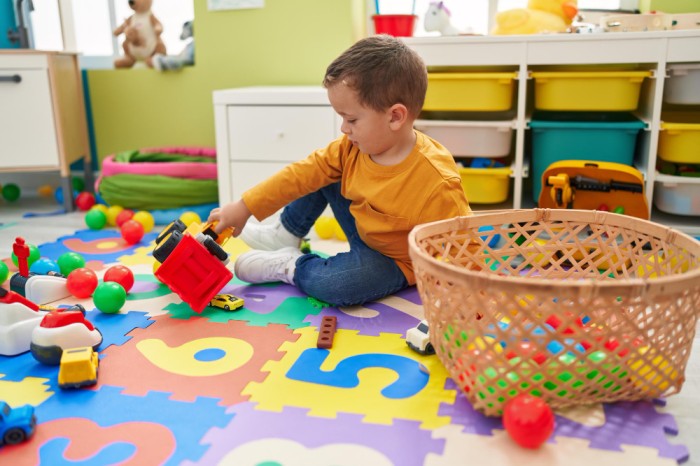
Summer break gives children a much-needed opportunity to relax, explore hobbies, and spend time with family. However, long periods away from structured learning can lead to “summer learning loss,” where children forget some of the skills and knowledge they gained during the school year. The good news is that parents can prevent this decline through simple daily activities, reading routines, educational play, and enriching experiences that keep learning fun throughout the summer.
What Is Summer Learning Loss?
Summer learning loss, often called the “summer slide,” refers to the decline in academic skills that can occur when children are out of school for extended periods.
While summer vacation is important for rest and development, studies have shown that children may lose some progress in areas such as reading, writing, and mathematics if learning completely stops during the break.
The impact can vary depending on age, learning habits, and access to educational opportunities, but maintaining even a small amount of learning throughout summer can make a significant difference.
Quick Facts About Summer Learning Loss
- Children can lose several months of reading and math progress during long school breaks.
- Reading skills tend to decline when children stop reading regularly.
- Just 20–30 minutes of daily learning can help maintain academic growth.
- Educational play and real-world experiences are often as valuable as worksheets.
Why Does Summer Learning Loss Happen?
Children learn best through consistency.
During the school year, they follow routines that include reading, problem-solving, social interaction, and guided instruction. Summer breaks often disrupt these routines.
Common reasons include:
- Reduced reading time
- Less exposure to structured learning
- Increased screen time
- Lack of academic challenges
- Irregular schedules
The goal isn’t to recreate school at home but to keep children’s minds active and engaged.
How Much Learning Time Do Children Really Need?
Many parents worry they need to become full-time teachers during summer.
Fortunately, that’s not necessary.
A Simple Summer Learning Formula
- 20 minutes of reading
- 15 minutes of writing
- 15 minutes of math activities
- 30 minutes of creative exploration
This adds up to about one hour of meaningful learning per day while leaving plenty of time for fun and relaxation.
1. Make Reading a Daily Habit
Reading is one of the most effective ways to prevent summer learning loss.
Children who continue reading throughout the summer often return to school with stronger vocabulary, comprehension, and communication skills.
Ways to Encourage Reading
- Visit local libraries regularly
- Create a family reading challenge
- Let children choose their own books
- Read together before bedtime
- Explore audiobooks during road trips
The key is making reading enjoyable rather than treating it like homework.
2. Turn Everyday Activities Into Learning Opportunities
Learning doesn’t have to happen at a desk.
Many daily activities naturally build academic skills.
Examples
At the Grocery Store
- Practice counting
- Compare prices
- Identify colors and shapes
While Cooking
- Measure ingredients
- Follow directions
- Learn fractions
During Travel
- Read maps
- Discuss geography
- Practice observation skills
These real-world experiences help children connect learning with everyday life.
3. Encourage Hands-On Learning
Children often learn best by doing.
Hands-on activities develop creativity, critical thinking, and problem-solving skills.
Fun Summer Learning Ideas
- Science experiments
- Gardening projects
- Building with blocks
- Arts and crafts
- Nature scavenger hunts
These activities promote curiosity while making learning feel exciting.
4. Limit Passive Screen Time
Technology can be useful when used intentionally.
However, excessive passive screen time may reduce opportunities for active learning and social interaction.
Instead of unlimited entertainment:
- Choose educational apps
- Watch age-appropriate documentaries
- Encourage creative digital projects
- Set reasonable screen-time limits
Balance is the goal.
5. Keep Writing Skills Sharp
Writing is often one of the first skills children neglect during summer.
Simple writing activities can help maintain progress.
Easy Writing Activities
- Summer journals
- Postcards to relatives
- Story creation
- Daily reflections
- Drawing and labeling pictures
Even a few minutes of writing each day can strengthen literacy skills.
6. Explore the Outdoors
Outdoor learning offers unique educational benefits.
Children develop observation, inquiry, and problem-solving skills while engaging with nature.
Outdoor Learning Ideas
- Bird watching
- Nature walks
- Gardening
- Park exploration
- Weather tracking
Physical activity also supports overall health and well-being.
7. Enroll in Educational Summer Programs
Structured summer programs can provide valuable learning opportunities while keeping children socially engaged.
Quality summer camps often combine:
- Academic enrichment
- Creative activities
- Physical movement
- Social development
Many parents seek programs that balance fun and learning rather than focusing exclusively on academics.
As one of the Best Preschools in Houston TX, Montessori School of Downtown understands the importance of maintaining children’s curiosity and enthusiasm for learning throughout the summer months through engaging, hands-on experiences.
8. Create a Flexible Summer Routine
Children benefit from predictable routines, even during vacation.
A flexible schedule helps maintain healthy habits while allowing plenty of free time.
Example Daily Routine
Morning
- Reading
- Outdoor play
Afternoon
- Creative project
- Educational activity
Evening
- Family time
- Bedtime reading
Consistency often matters more than the amount of time spent learning.
9. Focus on Curiosity, Not Perfection
Summer should not feel like summer school.
Instead of worrying about grades or tests, encourage children to ask questions and explore interests.
Support activities related to:
- Animals
- Space
- Art
- Science
- Music
- Building and design
When children are genuinely interested in a topic, learning happens naturally.
Signs Your Child Is Staying Academically Engaged
Look for indicators such as:
- Asking thoughtful questions
- Reading independently
- Showing curiosity about new topics
- Solving problems creatively
- Participating in discussions
- Completing projects voluntarily
These behaviors suggest that learning is continuing, even outside a traditional classroom.
Final Thoughts
Summer learning loss is a real challenge, but it is also preventable. Children do not need hours of formal instruction to maintain their academic skills. Simple daily habits, engaging activities, and meaningful experiences can help them stay intellectually active while still enjoying their break.
The most successful summer learning strategies combine structure with fun, allowing children to continue growing without feeling overwhelmed. Schools like Montessori School of Downtown, being one of the Best Preschools in Houston TX, recognize that learning happens everywhere—not just in classrooms—and that curiosity-driven experiences can help children remain confident, engaged learners year-round.
With the right balance of play, exploration, and educational activities, children can return to school ready to learn, grow, and succeed in the year ahead.